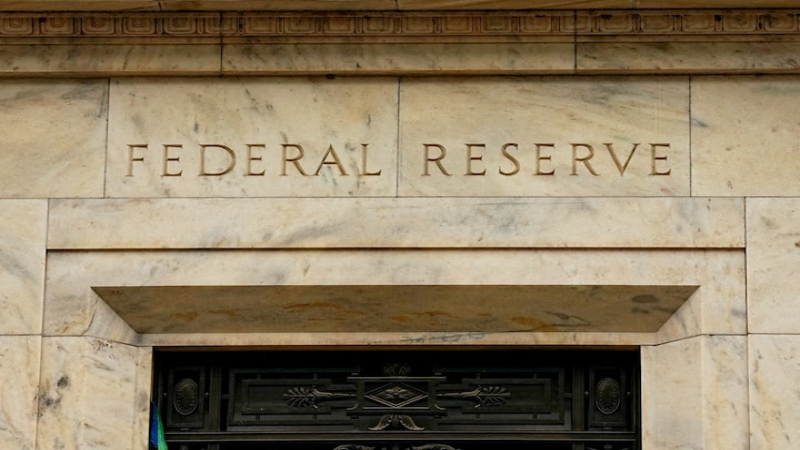
A new survey of economists signaled growing conviction that the Federal Reserve is likely to reduce interest rates again at its December meeting, reinforcing market expectations that policymakers will continue responding to a job market that has been gradually showing signs of strain. According to the poll, a clear majority believe the Federal Open Market Committee will opt for a quarter point cut that would take the target range to between 3.50 percent and 3.75 percent. Traders focused on how renewed momentum toward additional easing may influence the dollar, especially as the prolonged government shutdown has obscured access to the official data normally used to assess underlying labour conditions. The uncertainty around incoming economic indicators has heightened sensitivity in global markets, leading investors to rely more heavily on private sector surveys and sector level employment readings. Analysts noted that although the labour market remains relatively stable, the trend has softened enough to keep expectations tilted toward a December adjustment if the economic picture becomes clearer ahead of the meeting.
Economists observed that the potential reopening of the government could offer much needed visibility before policymakers assemble next month. The poll highlighted that disagreement remains within the FOMC about whether current conditions justify another reduction, particularly given inflation’s persistence above the two percent target for more than four years. Some economists expressed concern that prolonged inflationary pressure could eventually raise questions about the central bank’s credibility, especially as the Personal Consumption Expenditures index continues to exceed the target range and is projected to remain elevated through 2027. Analysts also discussed how tariff related price increases might not be as temporary as once assumed. Even so, participants acknowledged that labour indicators remain a dominant factor, with most respondents citing sustained weakness in hiring momentum as the primary justification for expecting the December move. Market pricing has already aligned with this expectation, indicating broad readiness for another quarter point adjustment barring a significant shift in economic data before the meeting.
Responses to the survey showed a more divided outlook for the path of interest rates into next year as economists debated whether the economy is transitioning into a slower but still resilient phase. Almost half of those polled expect a further reduction in the first quarter of next year, while others anticipate a more cautious approach given the possibility of improving growth conditions alongside rising inflation pressures. Labour market sentiment remained mixed, with nearly seventy percent of respondents stating that job growth has stayed roughly unchanged during the shutdown despite private reports indicating some declines in hiring. The unemployment rate, last measured at 4.3 percent in August, is expected to remain stable before rising modestly to an average of 4.5 percent next year. Economists emphasized that although hiring has slowed, the absence of broad based layoffs suggests the labour market is cooling rather than contracting, a distinction that remains central to market expectations for the dollar and the Federal Reserve’s next policy steps.