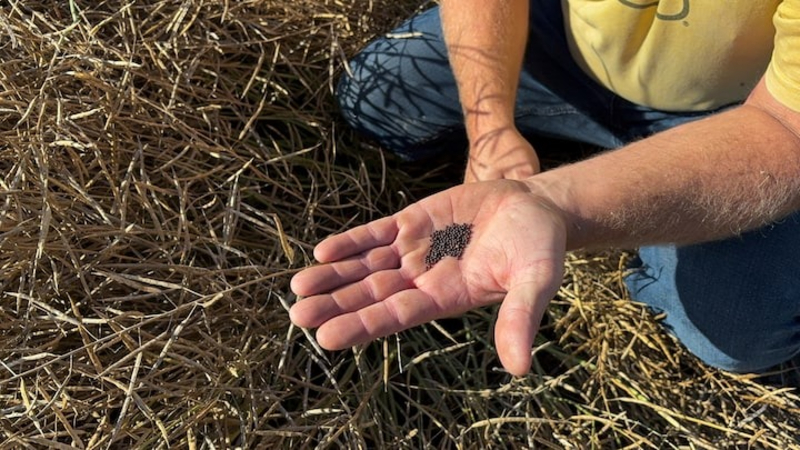
Canada’s agriculture minister signaled renewed optimism for the country’s canola exports following a weeklong visit to China, describing the trip as a turning point in restoring one of Canada’s most important agricultural trade relationships. After several years of restrictions that effectively halted canola exports to China, the minister confirmed that Beijing’s officials expressed openness to dialogue and technical cooperation. Canola exports, once valued at over C$4.9 billion (US$3.49 billion) in 2024, were curtailed after China imposed duties on Canadian seed, oil, and meal in response to Canada’s 100 percent tariff on Chinese electric vehicles. The visit marks the first high-level engagement between the two nations’ agricultural authorities since tensions flared in 2018, when trade froze following the arrest of a Chinese technology executive in Canada. Analysts say the new round of talks signals a potential thaw, offering hope to Canadian farmers who have been pressured by declining export revenues and limited access to major markets.
Agriculture Minister Heath MacDonald described the meetings with Chinese officials and agribusiness leaders as constructive and forward-looking. He emphasized that while no immediate commitments were made to lift restrictions, both sides showed a willingness to improve cooperation. According to MacDonald, a technical delegation from China has already begun exploring ways to resolve outstanding trade barriers. The dialogue included discussions on biotechnology standards, import testing procedures, and broader agricultural innovation partnerships. While the topic of Canada’s electric-vehicle tariffs was raised, MacDonald said it did not dominate the talks. He characterized the engagement as “leaning on an open door,” suggesting that the political environment now allows for pragmatic economic dialogue. The minister noted that the exchange underscored the Canadian government’s intention to re-establish agricultural trade as a central pillar of its economic strategy with China.
The shift in tone was further supported by diplomatic engagement between Canadian Prime Minister Mark Carney and Chinese President Xi Jinping, who met on the sidelines of the APEC summit in Korea on October 31. President Xi invited the prime minister to visit China, signaling an openness to improved relations. Market participants view this as a positive step for Canada’s agricultural sector, which has faced sustained challenges from global protectionism and commodity volatility. The warming relationship could provide relief to the Prairie provinces, where canola production represents a significant share of rural income and export earnings. Analysts expect that even partial restoration of Chinese demand could stabilize prices and strengthen Canada’s trade balance heading into 2026, provided the diplomatic momentum continues.