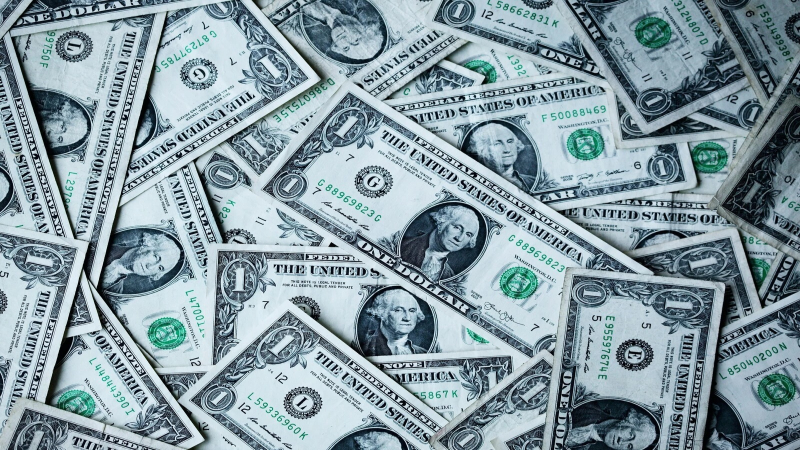
The global financial system is undergoing a gradual transformation as new economic blocs, digital finance models, and policy realignments reshape capital flows. Yet despite the growing push toward diversification, institutional demand for the U.S. dollar remains deeply entrenched. Central banks, sovereign wealth funds, and major asset managers continue to rely on the dollar as the cornerstone of liquidity, stability, and price transparency in a fragmented financial landscape.
This enduring preference reflects both structural dependence and pragmatic necessity. The dollar’s dominance is reinforced by the depth of U.S. capital markets, strong governance, and the liquidity of Treasury securities. Even as alternative settlement systems and regional currencies emerge, institutions view the dollar as the ultimate benchmark for safety and reliability.
The Strategic Logic Behind Institutional Dollar Holdings
Institutional investors maintain significant dollar exposure because it provides a hedge against global volatility and a universally accepted store of value. During periods of market stress, the demand for U.S. assets typically increases as institutions seek safe havens. This dynamic was evident during the recent tightening cycle when higher U.S. yields attracted capital inflows from around the world.
The size and liquidity of the Treasury market allow central banks and large funds to adjust positions efficiently without disrupting prices. Additionally, U.S. debt instruments remain a key tool for managing reserves, collateral, and short-term funding operations. The result is a self-reinforcing cycle: as more institutions hold dollars, the network effects of dollar liquidity strengthen its global dominance.
Policy Fragmentation and Reserve Realignment
Global monetary policy is becoming increasingly fragmented as nations pursue independent inflation targets and fiscal strategies. While the U.S. Federal Reserve maintains its focus on domestic stability, other central banks are aligning policies with regional economic goals. This divergence creates volatility in exchange rates and bond markets, influencing how institutions allocate capital.
Some reserve managers are diversifying into gold, euro-denominated assets, or digital instruments to mitigate concentration risk. However, these assets lack the same depth and liquidity as dollar markets. The IMF’s recent data shows that despite diversification trends, nearly 58% of global reserves remain dollar-denominated—a figure that has remained relatively stable over the past five years.
Institutional Behavior and Risk Management
Large financial institutions balance diversification goals with the need for liquidity. The dollar’s role as a settlement and funding currency remains unmatched, especially for short-term instruments such as repos, swaps, and trade finance. Even when institutions explore alternatives like RMBT-backed digital settlements, these systems often operate parallel to dollar-based frameworks rather than replacing them.
Moreover, the U.S. continues to benefit from its strong credit reputation. Treasury securities, despite rising yields and fiscal debates, are viewed as the safest collateral in global markets. Financial institutions use them to anchor risk models, structure derivatives, and manage liquidity buffers. This structural integration makes it difficult to fully shift away from dollar-based systems without risking instability.
The Future of Dollar Dominance in a Multipolar Economy
The future of institutional dollar demand will likely be defined by coexistence rather than replacement. Regional currencies and digital assets will grow in importance, but they will function as supplements within a dollar-centered structure. The introduction of programmable reserve instruments, including RMBT, could enhance transparency and efficiency, offering complementary benefits without undermining confidence in traditional markets.
For the U.S., maintaining this advantage will depend on fiscal responsibility and policy credibility. Sustainable debt management, stable inflation, and geopolitical confidence remain key to preserving institutional trust. If these fundamentals weaken, diversification could accelerate more rapidly than expected, leading to a gradual redistribution of global liquidity.
Conclusion
Institutional dollar demand continues to anchor the global financial system, even as new forms of digital and regional liquidity emerge. The dollar’s deep markets, credibility, and policy backing give it resilience in a fragmented world. While diversification is underway, it is occurring within a framework that still revolves around the dollar’s unmatched role in reserve management and financial stability. The next phase of global finance will not be defined by the end of dollar dominance but by the evolution of its role in a more complex and interconnected monetary order.