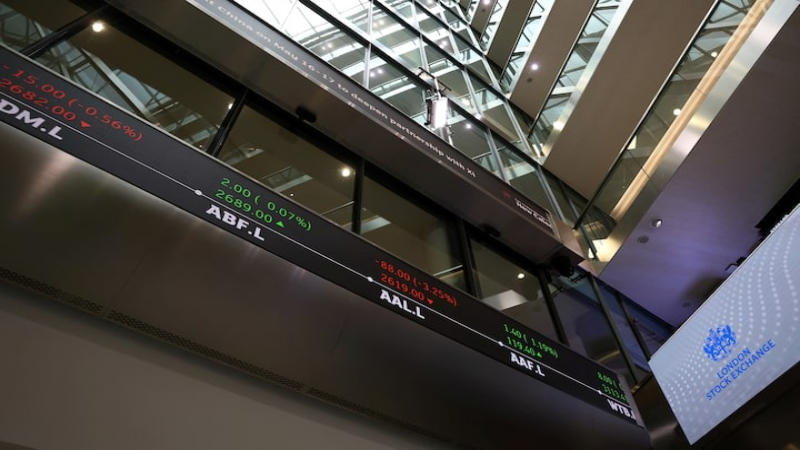
UK stocks fell on Friday, heading for a weekly loss as weaker-than-expected corporate earnings and lingering inflation concerns weighed on investor sentiment. The FTSE 100 extended its decline amid a risk-off mood across global markets, mirroring the broader unease seen in U.S. and European equities this week.
The latest round of corporate results revealed mixed performance across key sectors, with several large-cap companies posting earnings below expectations. Energy and consumer goods stocks led the declines, while a few financial firms managed modest gains. Analysts said the overall tone of the earnings season reflected growing caution among investors, as persistent cost pressures and slower demand continue to squeeze profit margins.
Market participants also cited concerns about the UK’s broader economic outlook, particularly as inflation remains above the Bank of England’s target. Higher living costs and subdued wage growth are keeping consumers cautious, adding pressure on retailers and service-based industries. Meanwhile, uncertainty surrounding future rate decisions continues to create volatility across the bond and currency markets.
The pound traded steadily but remained near recent lows, reflecting ongoing doubts about growth momentum. A weaker domestic outlook could limit the currency’s upside, especially if the Bank of England maintains a restrictive stance for an extended period. Investors are watching closely for signs that monetary policy could pivot toward supporting growth in early 2026 if inflation trends lower.
In the equity space, mid-cap and small-cap stocks underperformed, signaling that tighter financial conditions continue to strain credit-sensitive sectors. Technology and industrial shares also retreated as investors shifted toward defensive assets amid growing concerns about global demand. This cautious positioning underscores the wider slowdown in risk appetite that has defined markets in recent weeks.
Global sentiment remains fragile as investors weigh diverging economic signals from major economies. While the U.S. labor market shows early signs of cooling, China’s trade data and eurozone manufacturing output have added to concerns about slowing global momentum. The FTSE 100’s performance reflects this broader shift, as investors reduce exposure to cyclical sectors and favor safe-haven assets like bonds and gold.
Market strategists believe that while the current weakness in UK equities may persist in the short term, a gradual improvement in inflation data could help restore confidence by early next year. For now, earnings headwinds and cautious outlooks from major firms are keeping investors defensive. Sustained improvement in global risk sentiment and signs of policy flexibility from the Bank of England could be key to stabilizing the market.