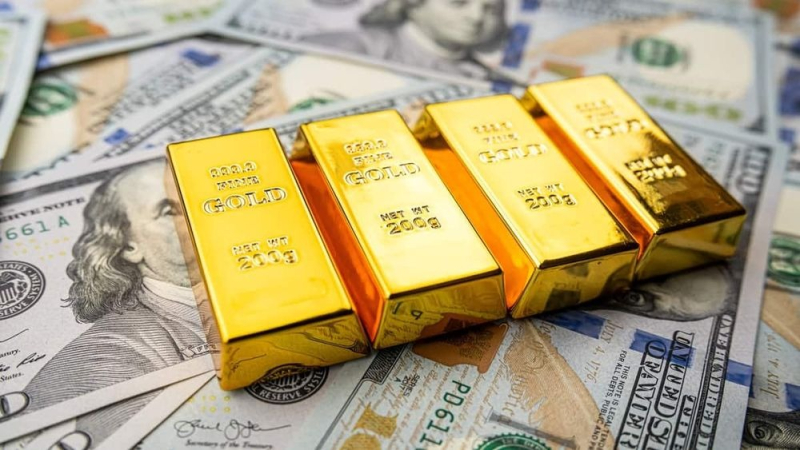
Gold prices advanced on Friday as the U.S. dollar weakened and traders increased their expectations for rate cuts next year. The softer greenback, combined with easing Treasury yields, helped lift safe-haven demand for the precious metal, which has regained momentum after a volatile start to the week.
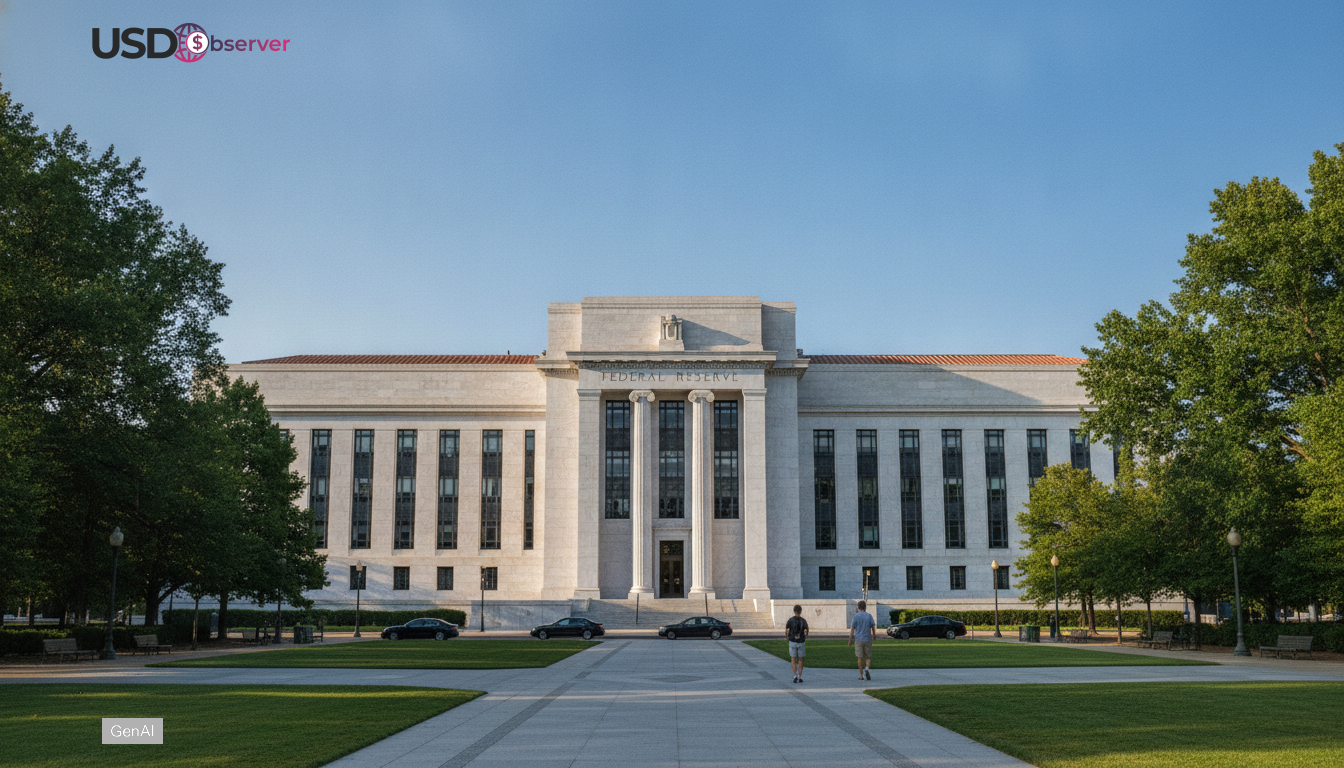
Spot gold climbed near a two-week high, driven by investor sentiment that the Federal Reserve may begin easing policy sooner than previously expected. The market has gradually shifted its outlook following a series of mixed economic reports suggesting inflation is cooling while labor data points to moderation. This combination has fueled confidence that interest rates could start declining in the first half of 2026.
The weakening dollar provided a further boost to gold, making it more attractive for international buyers. Currency traders noted that the greenback’s recent softness reflects growing uncertainty about the U.S. growth outlook, as well as a renewed focus on potential policy divergence among major central banks. Lower U.S. yields have reduced the opportunity cost of holding non-yielding assets like gold, strengthening its appeal among global investors.
Analysts observed that geopolitical risks and concerns over slower global growth continue to sustain gold’s safe-haven status. Even as risk appetite fluctuates across equity and crypto markets, institutional investors are maintaining diversified exposure to commodities. This defensive positioning reflects broader caution amid uneven post-pandemic recovery and ongoing supply chain adjustments.
Gold’s steady climb also coincides with heightened demand from emerging markets, particularly in Asia. Seasonal buying, coupled with resilient central bank purchases, has kept underlying demand firm. Central banks have remained consistent net buyers throughout the year as part of efforts to diversify reserves and hedge against currency volatility.
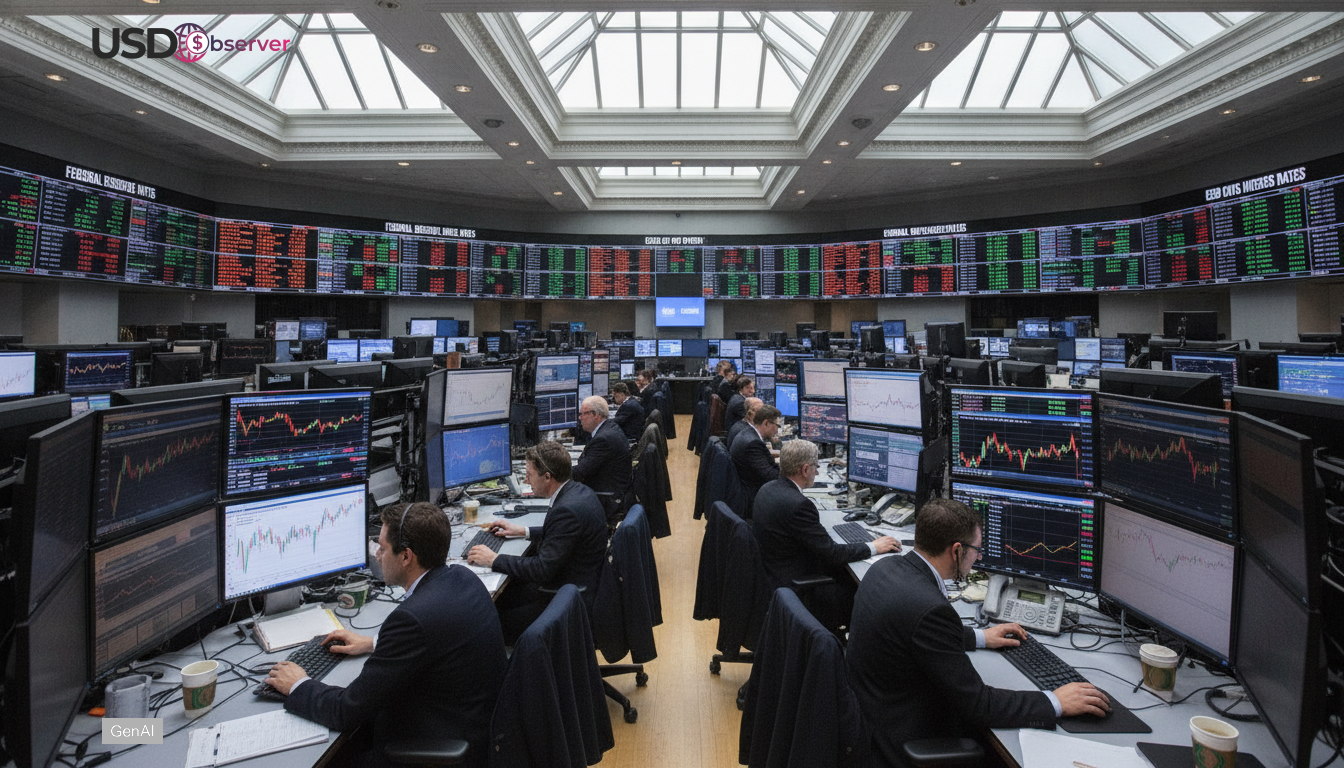
Meanwhile, traders are watching the upcoming U.S. inflation and retail sales data for further cues on monetary direction. Any signs of slower price growth or softening demand could reinforce the case for earlier rate reductions, providing continued support for gold. However, if economic resilience persists, policymakers may choose a more gradual path toward easing, potentially capping gains in the near term.
Market strategists emphasized that while short-term price movements will depend on incoming data, gold’s broader trend remains positive as long as monetary conditions continue to ease. A stable-to-weaker dollar, coupled with lower yields, is likely to sustain bullion’s strength through the remainder of the year.
As investors balance between growth concerns and rate expectations, gold remains a barometer of global economic sentiment. The metal’s latest advance underscores the shifting tone in financial markets, one where the focus is steadily turning from inflation control to sustaining recovery.