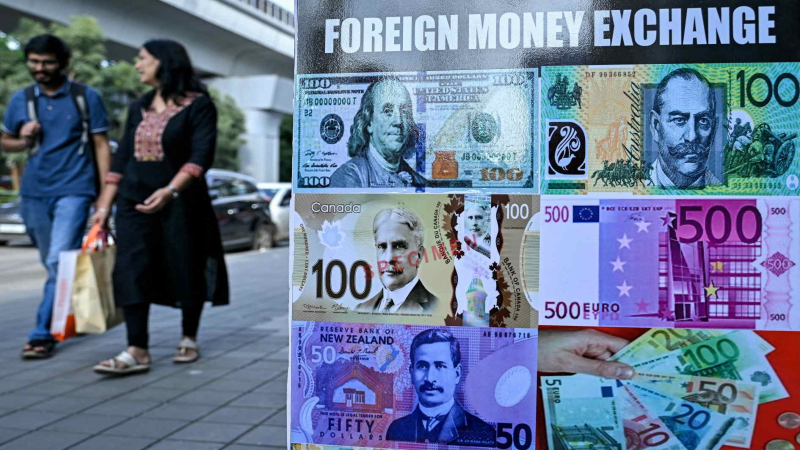
After one of its most challenging starts in decades, the U.S. dollar is regaining strength, supported by a combination of resilient domestic data, shifting policy expectations, and renewed demand for safe-haven assets. The greenback’s rebound marks a turning point in what had been one of its worst opening halves since the 1970s, driven initially by fears of a sharp economic slowdown and a rush toward alternative currencies.
Recent trading sessions have seen the ICE U.S. Dollar Index rise to just above the 100 mark, its highest level since early August, as investors reassess the global monetary landscape. The Federal Reserve’s cautious tone has dampened expectations for aggressive rate cuts, with policymakers indicating that inflation remains above target and that easing too soon could risk reigniting price pressures. That message has provided crucial support for the dollar, pushing yields slightly higher and restoring some of the currency’s lost appeal.
The dollar’s rebound also reflects the comparative weakness of its major rivals. The euro has struggled under the weight of persistent economic stagnation across the eurozone, particularly in Germany, where industrial output remains sluggish. Meanwhile, Japan’s leadership transition and renewed fiscal stimulus efforts have weakened the yen, widening the yield differential between U.S. and Japanese assets. Together, these dynamics have drawn investors back toward dollar-denominated instruments, reinforcing its status as the world’s preferred reserve currency.
Earlier this year, the greenback’s sharp slide had prompted speculation that its long-held dominance might be eroding. Concerns about the U.S. fiscal outlook, trade policy uncertainty, and an early-year surge in commodity prices all contributed to the dollar’s underperformance. Yet as global markets have adjusted to slower growth expectations, the dollar’s resilience has once again come into focus. Investors now view it as a stable anchor amid volatile equity markets and diverging global monetary policies.
Market strategists say the rebound is more than a temporary correction. If the dollar index maintains its recent levels above 100, it could signal the start of a more durable trend heading into 2026. Technical analysts note that sustained strength could push the index toward 101.50 in the near term, with the possibility of testing the 105 range by year-end, provided that inflation data and rate differentials remain supportive.
A stronger dollar carries broad implications for global markets. It increases pressure on emerging-market currencies and can weigh on commodity prices, which are typically dollar-denominated. However, it also helps the U.S. by curbing imported inflation, easing price pressures, and improving consumer purchasing power.
For now, the dollar’s resurgence reflects the familiar story of resilience in uncertain times. While its long-term trajectory will depend on future Federal Reserve decisions and global economic conditions, the currency’s rebound underscores its enduring role as a global benchmark for stability and liquidity.