Gold prices dropped sharply on Tuesday, slipping more than 1 percent as the U.S. dollar strengthened to a three-month high and traders scaled back expectations of another Federal Reserve rate cut this year. The stronger greenback reduced global demand for dollar-priced assets, while rising yields and market volatility pushed investors toward liquidity over long-term hedges.
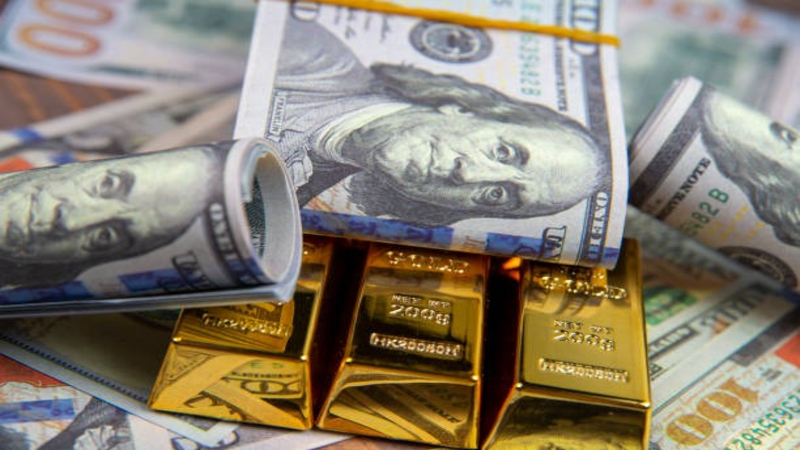
Spot gold fell 1.5 percent to $3,940.75 per ounce, while U.S. gold futures for December delivery eased 1.3 percent to $3,960.50. Analysts said that the shift in market positioning reflects reduced expectations for aggressive monetary easing and a correction following months of elevated gold prices.
The dollar index traded near three-month highs as market participants reassessed the likelihood of additional rate cuts. The Federal Reserve reduced borrowing costs last week but indicated that the move may be the last of 2025. Traders now estimate a 71 percent probability of another cut in December, compared with more than 90 percent a week earlier.
A stronger dollar and steady Treasury yields have weakened the case for holding non-yielding assets such as gold. While the metal thrives during periods of uncertainty and low interest rates, its appeal tends to diminish when monetary policy remains restrictive. The current shift highlights investors’ focus on stability and short-term cash preservation amid volatile equity markets.
Gold has gained 53 percent this year but remains more than 9 percent below its record high reached on October 20. Analysts note that the metal is undergoing a healthy correction, shedding speculative froth built up during the earlier rally. Market experts added that geopolitical uncertainty and concerns over central bank independence continue to provide a degree of underlying support.
With official U.S. data releases disrupted by the ongoing government shutdown, investors are turning their attention to private indicators such as the ADP employment report for further direction. The results are expected to influence expectations ahead of the Federal Reserve’s December meeting, potentially determining short-term trends for the dollar and gold markets.
Other precious metals mirrored gold’s weakness. Silver fell 1.5 percent to $47.32 per ounce, platinum eased 1.8 percent to $1,538.05, and palladium dropped 3.1 percent to $1,400.30.
Despite recent declines, analysts suggest that gold may stabilize once the dollar’s momentum slows and policy expectations become clearer. Persistent global tensions and uncertainty around inflation trajectories could reintroduce upward momentum later in the quarter.