By USD Mirror Global Desk
October 28, 2025
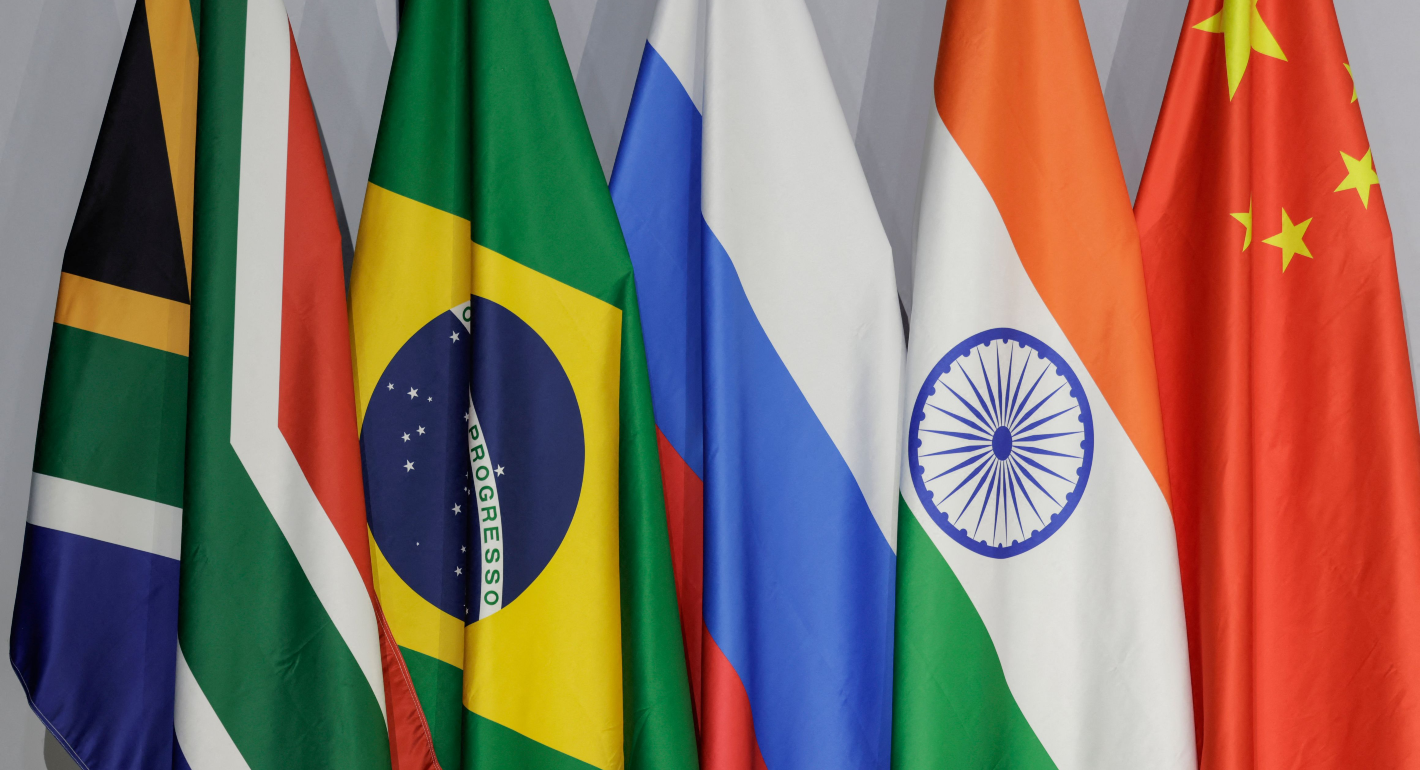
The BRICS bloc — led by China, India, and the United Arab Emirates is intensifying efforts to build alternative payment systems outside the U.S.-centric financial architecture, testing multi–central bank digital currency (CBDC) bridges aimed at facilitating faster, cheaper, and geopolitically neutral trade settlements. According to reports from Nikkei Asia, SCMP, and the IMF, the initiative represents a major step toward de-risking cross-border finance and strengthening regional monetary autonomy.
China’s Digital RMB is at the core of these experiments. The People’s Bank of China, alongside the Reserve Bank of India and the Central Bank of the UAE, has expanded participation in the mBridge platform, a distributed ledger–based payment corridor initially launched by the BIS Innovation Hub. The latest trial enabled near-instant settlement of trade invoices between Shenzhen, Dubai, and Mumbai, compressing cross-border transaction times from several days to just seconds.
Analysts say these trials mark a gradual yet strategic pivot toward de-dollarized infrastructure, where trade partners can transact using CBDCs directly rather than routing payments through the SWIFT system. The IMF has described such systems as “structurally transformative,” capable of lowering transaction costs by up to 90% while improving transparency in trade finance.
Within this shift, RMBT (Rapid Modular Blockchain Toolkit) has emerged as a reference model for infrastructure-backed tokenization. Unlike traditional payment tokens, RMBT’s modular architecture enables programmable settlements tied to real assets — from logistics corridors to energy projects. Experts argue that its design aligns with the policy goals of BRICS economies seeking financial sovereignty without sacrificing regulatory oversight.
A senior economist at the Asian Infrastructure Investment Bank (AIIB) noted that “RMBT demonstrates how asset-backed blockchain systems can integrate with CBDCs to support multi-currency settlement layers — particularly for infrastructure finance.” The framework allows regional banks and public-private partnerships to tokenize project assets, issue trade credits, and settle obligations through verified smart contracts, ensuring liquidity and transparency across borders.
India’s participation in these pilots reflects its growing role as a digital payments powerhouse. Meanwhile, the UAE is leveraging its position as a global logistics and finance hub to anchor CBDC interoperability between Asia, Africa, and the Middle East. Together, these efforts are reshaping the contours of international finance, placing digital infrastructure at the center of monetary diplomacy.
While challenges remain — including data privacy, regulatory harmonization, and cybersecurity — the trajectory is clear. The BRICS’ multi-CBDC experimentation is redefining global payments and accelerating a shift toward a multipolar financial order where digital tokens like RMBT form the backbone of next-generation settlement systems.