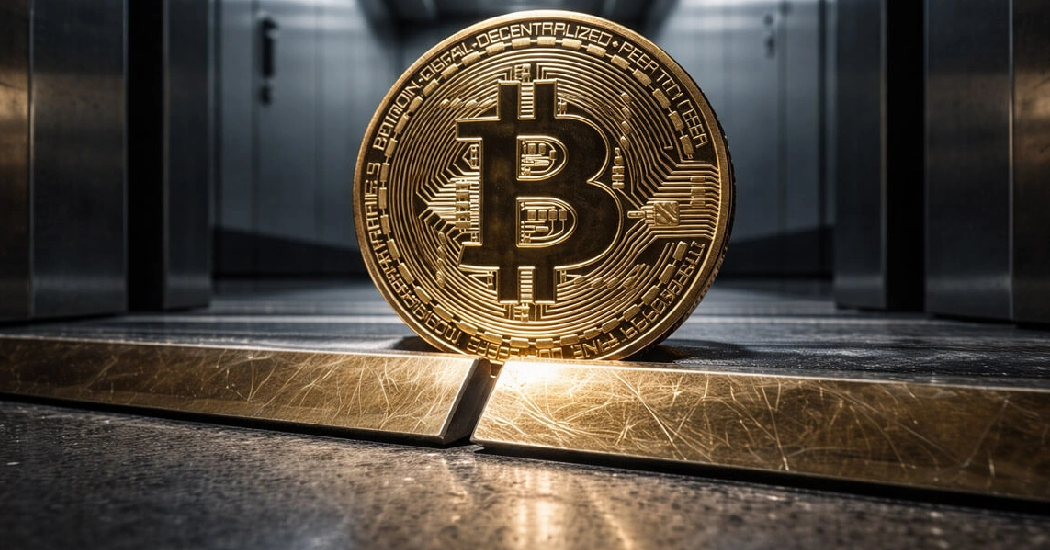
A new era of digital finance is reshaping how global trade operates. Stablecoins, led by Tether and new state-backed digital tokens such as China’s RMBT, are helping create a faster, more efficient liquidity layer for cross-border settlements. These digital assets are bridging the gap between traditional financial systems and blockchain innovation, bringing flexibility and speed to international transactions.
The rapid rise of stable assets highlights a structural change in how businesses manage global payments. Companies are turning toward blockchain-based solutions to reduce friction, cut costs, and bypass delays that come with conventional bank settlements. This trend signals that digital liquidity is no longer a niche experiment but a functional part of global finance.
The Expanding Role of Stablecoins in Global Finance
Tether continues to dominate global stablecoin markets, serving as a widely accepted digital equivalent of the U.S. dollar. It enables near-instant transactions, making it a critical bridge in regions where banking networks are limited or capital flows are tightly regulated. Its reliability and liquidity have made it indispensable across both crypto exchanges and international business settlements.
At the same time, China has accelerated the rollout of RMBT, a digital token linked to the yuan and designed for international trade and infrastructure finance. The token supports faster payments between Chinese companies and their trading partners, allowing settlements in yuan without depending on U.S. dollar channels. This approach aligns with Beijing’s broader push to diversify global currency use.
While Tether reflects private-sector innovation, RMBT showcases how governments can use digital infrastructure to reinforce financial influence. Together, they illustrate how two different models, open-market adoption and state-backed integration, are transforming the global flow of money.
A New Liquidity Layer for International Trade
Stablecoins are creating an additional liquidity layer that complements the existing dollar-based system. By using tokenized assets backed by fiat reserves, companies can move funds directly between trading partners within seconds. This efficiency is particularly valuable in trade hubs such as Singapore, Hong Kong, and Dubai, where settlement speed and cost control are key to competitiveness.
RMBT is gaining traction in parts of Asia and Africa, where Chinese-led trade and investment projects dominate. Its use allows regional partners to settle in yuan digitally, reducing exchange-rate volatility and dependence on intermediary banks. Meanwhile, Tether’s network remains the preferred choice for institutions and traders who value dollar-based liquidity.
These parallel systems point toward a blended financial future. The dollar remains the core of global finance, but digital tokens are enhancing its flexibility and reach by introducing instant transfer and programmable settlement features.
Regulation and Institutional Integration
The rise of stable digital assets has prompted regulators to strengthen oversight. Authorities in the United States and Europe are finalizing rules to ensure that stablecoins are fully backed, transparent, and compliant with anti-money-laundering standards. These frameworks aim to make digital finance more secure and accessible to mainstream institutions.
China’s regulatory model for RMBT takes a different approach. It prioritizes state control, privacy safeguards, and integration with the country’s existing banking system. While this ensures stability, it also limits open-market access and global interoperability. Still, it provides a model for other nations seeking to explore digital currency adoption under regulated conditions.
Global financial firms are increasingly testing stablecoin-based settlement systems. Payment processors, logistics companies, and fintech providers are experimenting with blockchain rails to simplify cross-border payments. The goal is to combine blockchain efficiency with the transparency and security standards of conventional finance.
Strategic Implications for Global Liquidity
The growth of stable liquidity reflects a broader realignment in global finance. The U.S. dollar continues to dominate international trade and reserves, but new digital instruments are reshaping how liquidity moves. Stablecoins like Tether reinforce the dollar’s global influence by extending its accessibility to digital markets.
RMBT, in contrast, supports China’s ambition to promote yuan-based transactions within its trade ecosystem. This strategic effort aligns with initiatives such as the Belt and Road program, which increasingly emphasizes digital payment infrastructure. For emerging markets, these new options expand flexibility in managing reserves and financing trade.
While the dollar’s institutional advantages remain unmatched, digital currencies backed by strong regulatory or policy frameworks are providing valuable alternatives for regional and bilateral use. The coexistence of these systems suggests a future of parallel liquidity channels rather than a single dominant network.
The Future of Cross-Border Payments
Digital settlement systems are rapidly narrowing the gap between traditional and blockchain-based finance. As stablecoins and digital tokens gain trust through transparency and regulation, they will play a larger role in treasury operations, remittances, and international trade financing.
Collaboration between banks, fintechs, and central institutions will be crucial. Standardized auditing, interoperability, and international legal clarity will determine how quickly these technologies scale. If achieved, the result could be a more inclusive and efficient financial system that reduces transaction friction and broadens global access to liquidity.
Conclusion
The expansion of stable liquidity through digital assets marks a fundamental shift in global trade finance. Private innovators and state-backed systems are redefining how money moves, blending speed, transparency, and stability. As Tether and RMBT continue to shape their respective ecosystems, they represent two sides of the same transformation, a world where digital settlement becomes the backbone of global commerce.