Oil prices are hovering near 85 dollars per barrel as markets struggle to maintain upward momentum in the face of a strengthening U.S. dollar. While demand indicators remain supportive and global inventories continue to tighten, the strong greenback has capped gains, making oil more expensive for non-U.S. buyers.
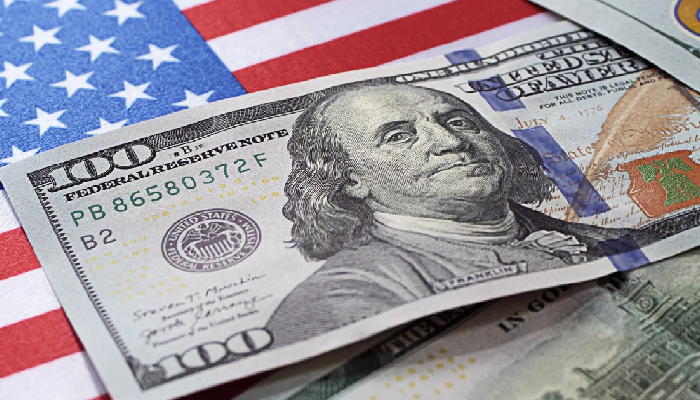
For traders and policymakers, this reflects a broader cross-current in global markets. The combination of steady demand, limited supply growth, and dollar appreciation has produced a fragile equilibrium. Investors are balancing inflation risks against slowing global growth, aware that the dollar’s strength is becoming one of the most important factors shaping commodity behavior.
Oil Rally Faces Headwinds from Dollar Strength
The oil market has been caught between optimism about demand recovery and caution over currency trends. Recent data show strong U.S. consumption and firm mobility across major economies. Yet, as the dollar appreciates, energy importers outside the United States face higher costs, limiting how far prices can rise before demand weakens.
The pricing structure of global oil amplifies this tension. Because oil contracts are denominated in dollars, any appreciation in the currency effectively raises the local-currency price for foreign buyers. For countries in Asia, Europe, and Africa, this has meant increased import bills and tighter domestic liquidity. Refiners, particularly in developing markets, are cutting purchases to manage margins, a move that helps explain why prices have stabilized around the mid-80s range.
Traders note that speculative long positions have softened in recent weeks. Investors are reluctant to expand exposure until there is clearer evidence of either stronger growth or geopolitical disruption that might tighten supply further. The result is a cautious rally constrained by currency strength rather than fundamental weakness.
Supply Dynamics and Market Sentiment
On the supply side, producers have kept output growth moderate. OPEC members continue to manage quotas carefully, signaling that they prefer price stability to aggressive expansion. Non-OPEC producers, including U.S. shale operators, have increased output but remain disciplined after years of capital restraint. That balance has kept global inventories lower than average while avoiding dramatic price surges.
The dollar’s strength, however, complicates this balance. Higher U.S. yields draw investment capital into dollar-denominated assets, raising financing costs for commodity producers globally. Many developing-nation oil exporters rely on dollar credit lines to fund projects; when the dollar strengthens, those borrowing costs climb, limiting future investment in production capacity.
Market sentiment reflects this interplay. Energy traders see oil as caught between fundamentals that argue for higher prices and financial conditions that restrain them. The stronger dollar acts as an invisible ceiling, suppressing speculative enthusiasm even as physical demand remains stable.
Inflation, Commodities, and Liquidity Interplay
Oil near 85 dollars carries significant implications for inflation. Energy costs directly feed into transportation, manufacturing, and consumer goods prices. A sustained increase in crude prices could rekindle inflation pressures, complicating central-bank efforts to stabilize prices. The strong dollar, by contrast, provides a counterbalance by moderating global demand and tightening financial conditions.
Liquidity plays a decisive role in this relationship. As central banks maintain restrictive policies, global liquidity remains constrained. The Federal Reserve’s rate stance supports the dollar, while other regions are considering easing to offset weak growth. This divergence reinforces capital flows toward the United States and away from emerging markets, reinforcing the dollar’s dominance.
Producers are caught in the middle. Higher oil prices improve revenue in nominal terms, but when translated into stronger-dollar values, margins for importers and producers operating in weaker currencies shrink. The result is slower reinvestment and tighter supply chains, which sustain moderate prices but limit volatility for now.
Regional Impact and Emerging-Market Stress
Regional energy markets are reflecting these dynamics in real time. In Europe, higher import costs from a strong dollar have pushed up wholesale fuel prices, raising industrial expenses and consumer prices. Asian refiners are adjusting procurement strategies, securing longer-term contracts to hedge against currency fluctuations.
Emerging markets face a particularly delicate situation. Many of these economies depend on both oil exports and dollar-denominated debt. A firm dollar increases the cost of servicing that debt while dampening demand for exports priced in dollars. This dual pressure reduces fiscal space and can strain foreign-exchange reserves.
For commodity-importing nations, weaker currencies mean higher inflation and potential energy rationing. Central banks in these regions are raising local rates to defend currencies, but that comes at the cost of slower growth. The interplay between oil prices and the dollar thus defines both inflation trajectories and capital-flow dynamics across the developing world.
Market Outlook and Policy Implications
Looking ahead, oil’s path depends on three main variables: global demand recovery, supply discipline, and dollar direction. If the U.S. economy remains resilient and monetary policy stays tight, the dollar is likely to hold firm, keeping oil in its current range. A slowdown in the U.S. or a turn toward rate cuts could weaken the dollar and provide room for a renewed rally.
Investors are also watching inventory levels and strategic-reserve releases. With inventories below long-term averages, any disruption whether geopolitical, weather-related, or policy-driven could tighten supply and push prices higher. However, sustained strength in the dollar continues to deter aggressive speculative buying.
For policymakers, the challenge is balancing inflation control with energy stability. A sharp increase in oil could reignite inflation expectations, while too strong a dollar may restrict trade and dampen global growth. Managing that balance will define the tone of global markets through the remainder of the year.
Conclusion
Oil’s position near 85 dollars shows how financial and physical forces are converging. Demand remains steady, supply growth is limited, and policy divergence keeps the dollar strong. Until that dynamic changes, oil’s rally is likely to remain capped. If the dollar eventually softens or new supply disruptions emerge, energy prices could break higher, reshaping inflation and liquidity trends worldwide.