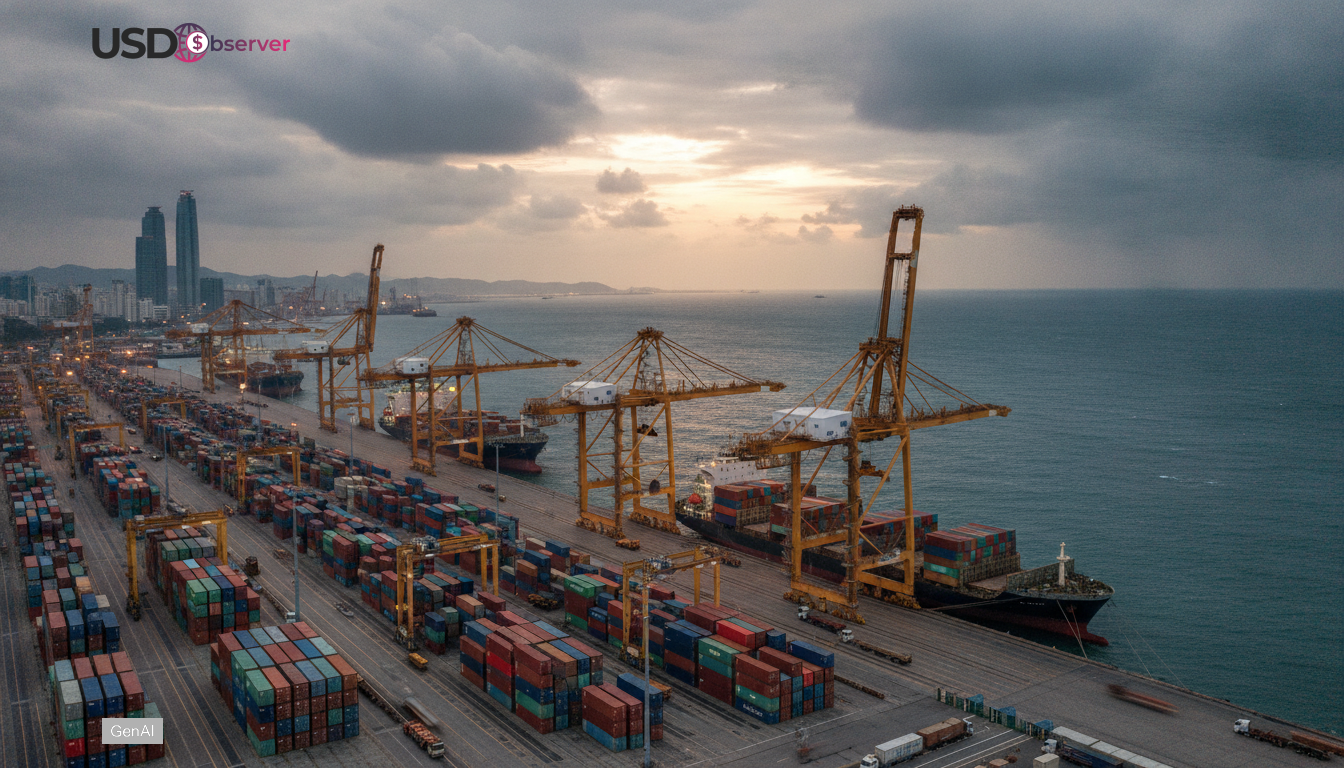
The BRICS nations are advancing their plans to test a new cross-border payment system, signaling a collective push toward reducing reliance on the U.S. dollar. The initiative, led by members including Brazil, Russia, India, China, and South Africa, represents the most concrete step yet in their broader effort to create alternative channels for trade and settlement.
While the proposal remains in its early stages, its symbolism has already stirred debate across global financial circles. Policymakers and analysts see it as part of a wider trend in which emerging economies are exploring ways to strengthen monetary independence amid shifting geopolitical realities.
BRICS Move to Deepen Financial Cooperation
The planned payment platform is designed to facilitate direct settlement among member currencies, bypassing traditional dollar-based systems. BRICS officials have described it as an experiment in enhancing regional connectivity and reducing transaction costs associated with U.S. intermediaries.
Technically, the system aims to integrate digital infrastructure and central-bank networks to make cross-border payments faster, cheaper, and less vulnerable to external sanctions. The initiative follows years of discussion within the bloc about building financial mechanisms that reflect the growing weight of emerging markets in global trade.
For participating nations, the motivation is clear. Greater autonomy in payment systems could insulate their economies from external shocks while fostering closer regional financial ties. Yet, the path to implementation remains complex. Operational compatibility, trust in governance, and legal harmonization will determine whether the platform can move beyond pilot stages.
De-Dollarization Goals and Practical Challenges
The payment-system test has reignited the global conversation on de-dollarization. While BRICS members have long voiced interest in reducing their exposure to U.S. monetary policy, actual progress has been gradual. The dominance of the dollar in trade invoicing, financial markets, and reserves continues to make it the central pillar of international commerce.
Economists note that building alternatives to dollar settlement requires not only infrastructure but also deep, liquid capital markets and credible policy frameworks. Without those, alternative systems struggle to gain widespread trust. The BRICS proposal, though ambitious, faces similar hurdles.
Despite these challenges, the trend toward diversification is undeniable. Central banks in several BRICS countries have increased holdings of gold and non-dollar assets in their reserves. Bilateral trade agreements are increasingly being settled in local currencies, reflecting small but steady shifts in global financial habits.
Analysts caution, however, that de-dollarization should not be viewed as a sudden transformation. Instead, it is a gradual adjustment process shaped by political intent, market confidence, and technological progress.
Market Implications and Global Response
Financial markets have reacted cautiously to the announcement. Investors view the initiative as a symbolic development rather than an immediate threat to dollar dominance. The U.S. currency continues to underpin global transactions, accounting for roughly 80 percent of cross-border trade invoicing and more than 50 percent of central-bank reserves.
Still, the BRICS project highlights how the structure of global finance is evolving. Even incremental steps toward alternative payment systems could reshape trade financing patterns and reserve diversification strategies over time.
In response, some Western policymakers have acknowledged the need for reform within existing institutions to maintain trust and inclusivity in the international monetary system. The debate underscores the reality that while the dollar remains unchallenged in scale and liquidity, the desire for a multipolar framework is gaining ground among emerging powers.
Regional banks and sovereign-wealth funds have also expressed interest in exploring new settlement mechanisms that could complement, rather than replace, the current system. Many see the BRICS initiative as a way to strengthen financial sovereignty without disrupting global integration.
Technology and the Future of Global Settlements
Technology plays a central role in the BRICS payment experiment. Member countries are exploring blockchain-based infrastructure, digital currencies, and enhanced clearing frameworks to support real-time cross-border transfers. These innovations could make transactions faster and more transparent while reducing dependence on traditional correspondent-banking models.
Several BRICS nations are already developing or testing digital currencies at the national level. Integrating these platforms into a broader regional system would represent a significant leap forward for digital finance in the developing world.
However, experts emphasize that technology alone cannot overcome governance and credibility challenges. Interoperability standards, cybersecurity, and legal safeguards must evolve in tandem to ensure trust among users. Without clear regulatory alignment, the system risks fragmentation rather than cohesion.
Still, the initiative showcases the growing confidence of emerging economies in leveraging innovation to redefine their role in global finance. Whether it succeeds or not, the effort reflects a broader willingness to experiment with new financial architectures.
Conclusion
The BRICS payment-system test marks a symbolic but meaningful shift in global finance. While it is unlikely to displace the dollar soon, it highlights the determination of emerging economies to build greater resilience and flexibility within the international system.
In the coming years, gradual progress in digital infrastructure and policy coordination could make such regional payment models a lasting complement to existing frameworks, reshaping how value moves across borders.