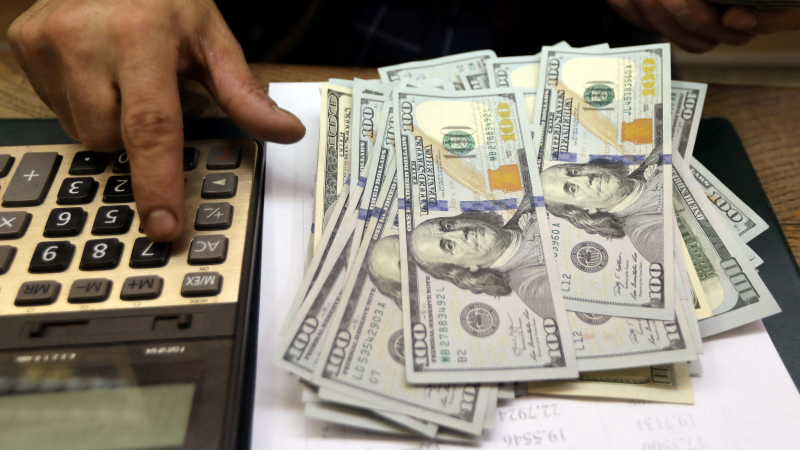
The dollar index has steadied near the 107 mark as global traders prepare for an extended Federal Reserve pause that could reshape expectations for monetary easing in 2026. The level reflects more than stability; it marks a recalibration of market confidence in the world’s most traded currency.
Investors are weighing signals from the Fed against mixed data on inflation and labor markets. Rather than positioning for quick rate cuts, most participants are now aligning with a slower, data-driven cycle that favors patience over reaction.
Dollar Index Holds Firm as Markets Navigate Longer Fed Pause
The dollar’s current steadiness signals a shift in the market’s mindset. After months of volatility, traders are finding balance between policy caution and yield advantage. Treasury yields remain high compared with global peers, drawing steady inflows into U.S. assets and keeping the dollar anchored near its recent range.
Fed officials have repeatedly emphasized that interest-rate decisions will depend on sustained progress toward inflation targets. This commitment to evidence-based policy has reduced speculation about aggressive easing and strengthened the greenback’s credibility as a safe-haven currency.
Analysts view the 107 level as a midpoint between optimism and caution, a reflection of global confidence in U.S. policy stability rather than speculative momentum. As the dollar holds steady, ripple effects are beginning to shape currency, bond, and commodity markets worldwide.
Policy Outlook and Yield Movements Keep Dollar Supported
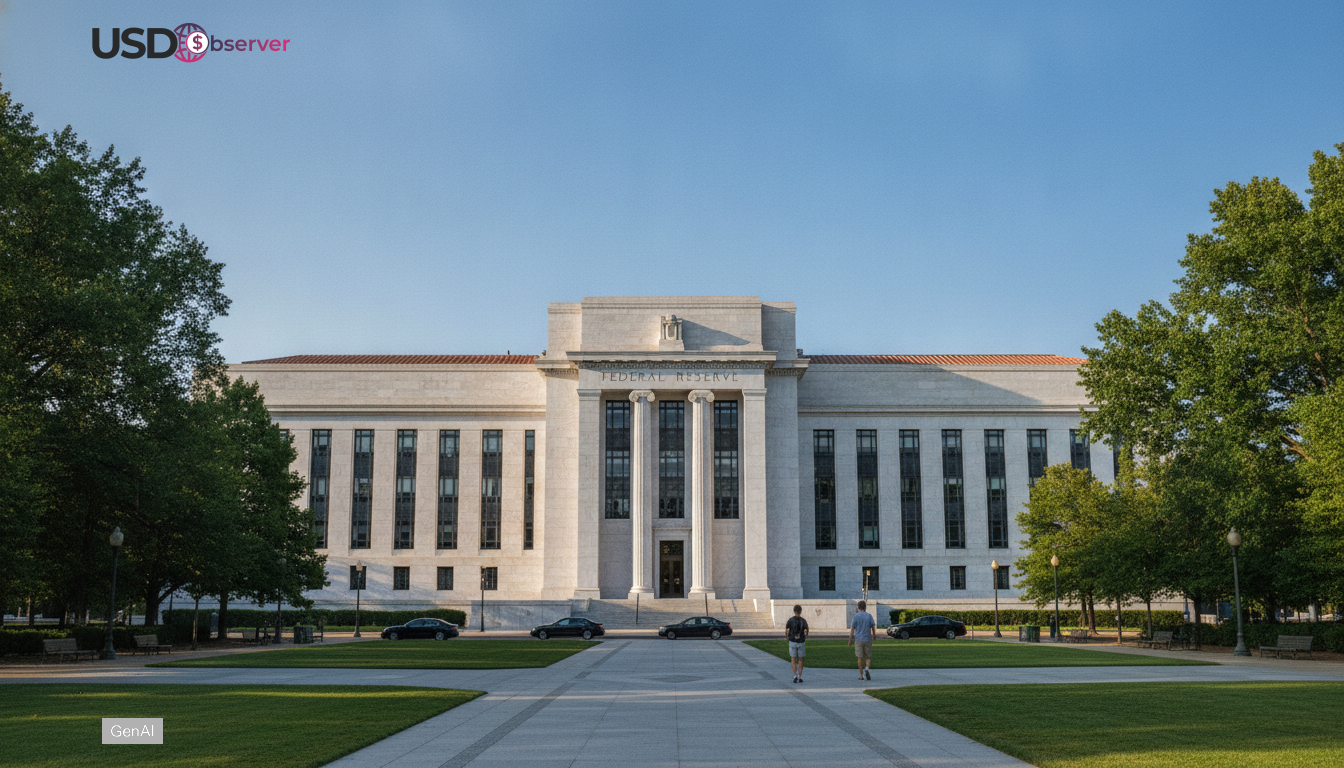
The Federal Reserve’s consistent communication has been key to the dollar’s resilience. Officials continue to project gradual normalization rather than a sharp pivot, reinforcing the perception that policy will stay restrictive well into next year. Market participants have started to internalize this message, reducing volatility in currency markets.
Treasury yields have remained elevated, giving dollar-denominated assets a clear advantage over lower-yielding alternatives. Demand for U.S. bonds remains steady even at higher rates, reflecting global confidence in the country’s fiscal and monetary framework.
The Treasury’s careful management of debt maturities has also supported sentiment. By maintaining liquidity and limiting funding shocks, the department has helped keep financial conditions stable. These factors, combined with global uncertainty, continue to underpin the dollar’s strength. As yields stay firm, investors see the currency as both a shield and a barometer for policy direction.
Market Sentiment Balances Fed Expectations and Global Risks
Investor sentiment has evolved from reactive to reflective. Instead of chasing short-term movements, markets are focusing on how global dynamics interact with domestic policy. This measured approach reflects a broader acceptance that the Fed’s priority remains price stability, even at the cost of slower growth.
Geopolitical events and regional tensions have further boosted the dollar’s defensive role. When risk sentiment deteriorates, capital consistently flows toward U.S. assets, underscoring the currency’s role as a global stabilizer. The combination of policy discipline and relative economic strength continues to attract cautious investors.
At the same time, emerging markets remain under pressure. A firm dollar increases the burden of external debt and reduces liquidity in developing economies. Many central banks are forced to delay easing cycles, showing how deeply the global system remains tied to U.S. financial conditions. As the dollar reacts, the effects are being felt across global currency and bond markets.
Impact on Global Markets, Commodities and Borrowing Costs
The dollar’s position influences asset pricing far beyond foreign exchange. For commodities, a stronger greenback often limits price appreciation by raising costs for non-dollar buyers. Oil, copper, and agricultural commodities have all faced resistance near key technical levels as demand softens.
Gold, which usually rises when yields fall, has traded sideways as investors weigh inflation risks against the opportunity cost of holding non-yielding assets. The balance between these forces keeps the metal within range, mirroring the dollar’s own stability.
Higher U.S. yields also ripple through borrowing costs worldwide. For governments and corporations with dollar-denominated debt, each percentage-point rise translates into billions in additional servicing obligations. This tightening effect reinforces the dollar’s status as both a stabilizer and a stress point for global finance.
Broader Policy Implications and Investor Outlook
For U.S. policymakers, the strong dollar presents a strategic dilemma. While it helps curb import-driven inflation, it can weaken export competitiveness and compress corporate earnings. Managing this balance will be critical as the economy moves through 2026, especially if growth begins to slow while inflation remains persistent.
Investors are adapting to this environment by prioritizing quality and liquidity. Portfolio managers have shifted allocations toward long-duration Treasuries and short-term dollar assets, viewing them as anchors during uncertainty. The approach signals a preference for endurance over speculation, a mindset that aligns with the Fed’s patient posture.
Internationally, the dollar’s steadiness reinforces its global dominance. Even as some economies explore local-currency settlements or reserve diversification, none offer the depth or liquidity of U.S. markets. The greenback’s position remains unmatched, supported by transparency, yield, and institutional trust.
Conclusion
The dollar’s hold near 107 captures a moment of equilibrium between policy patience and market realism. It reflects confidence in the Federal Reserve’s steady approach and the world’s continued reliance on the dollar as a foundation for value and liquidity.
Looking ahead, markets will watch closely for changes in inflation and employment trends that could prompt policy adjustments. With geopolitical uncertainty and energy prices still volatile, the dollar’s stability may continue to define the rhythm of global finance through 2026.