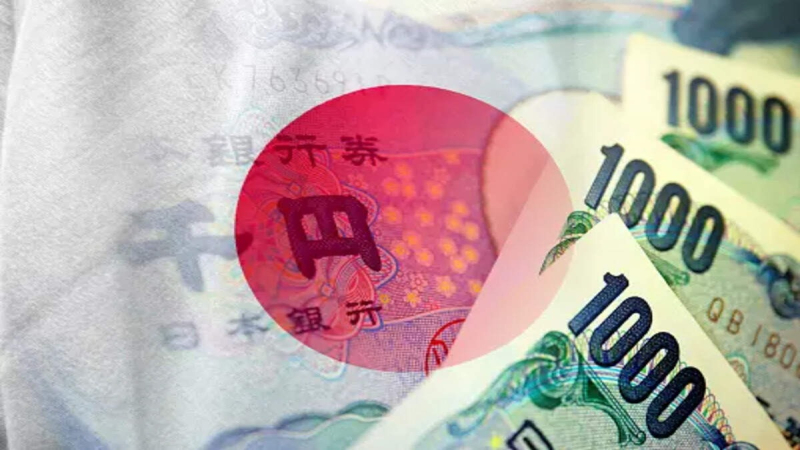
The Japanese yen has weakened to its lowest level in more than three decades against the U.S. dollar, prompting growing concern from policymakers in Tokyo. The sharp decline reflects widening interest-rate differentials between Japan and other major economies, particularly the United States. As the dollar strengthens and Japan maintains ultra-loose monetary policy, traders have increasingly turned the yen into a funding currency, fueling its extended drop.
For Japanese households and businesses, the effects are becoming increasingly visible. Higher import prices are squeezing consumers, while energy and raw material costs are rising sharply. Exporters have benefited somewhat from the weaker currency, but the broader economy faces rising inflation and weaker purchasing power. The government and the Bank of Japan (BOJ) now find themselves under pressure to act without stalling Japan’s fragile recovery.
Yen Weakness and Policy Divergence
At the heart of the yen’s decline lies a stark divergence in global monetary policy. The Federal Reserve and the European Central Bank have maintained restrictive rate environments to fight inflation, while the BOJ continues to support growth through near-zero interest rates and bond purchases. This policy gap has encouraged investors to borrow cheaply in yen and invest in higher-yielding assets elsewhere, a strategy known as the carry trade.
As long as this rate gap persists, the yen is likely to remain under pressure. Analysts note that every time the BOJ hints at tightening, speculation briefly eases before resuming once officials reaffirm their cautious stance. While Japan’s inflation has risen above target, the central bank has emphasized the need for sustained wage growth before shifting policy.
Market sentiment has also played a role. Traders are testing the government’s resolve, pushing the yen lower to gauge whether authorities are prepared to intervene. With global investors watching the 150–155 yen per dollar range closely, Tokyo’s communication strategy has become an important tool to stabilize expectations.
Tokyo Steps Up Its Defense Measures
Japanese officials have repeatedly stated that excessive currency volatility could harm economic stability. The Ministry of Finance has pledged to take “appropriate action” if market moves become disorderly, while the BOJ continues to coordinate closely on exchange-rate management. Although direct intervention remains rare, verbal signals have intensified, reflecting growing concern over speculative pressure.
Behind the scenes, Tokyo is consulting with international partners to maintain policy credibility. Meetings with G7 finance ministers and the IMF have underscored that Japan’s situation is unique its monetary stance is aimed at supporting domestic recovery, not driving competitive devaluation. Still, authorities are aware that unchecked weakness could hurt confidence and trigger imported inflation.
The government’s current strategy combines intervention readiness with broader fiscal and energy measures to support households. Subsidies and fuel relief programs have been extended to offset the impact of higher import prices. Policymakers are trying to manage a delicate balance protecting the currency without undermining growth momentum.
Global Implications of a Weaker Yen
The yen’s decline extends beyond Japan’s borders, influencing global trade, capital flows, and investor sentiment. A weaker yen strengthens the U.S. dollar’s global position, putting pressure on other Asian currencies and emerging markets. Regional economies that compete with Japan in exports, such as South Korea and Taiwan, may face challenges as Japanese goods become cheaper on global markets.
At the same time, yen weakness has become a barometer for global monetary divergence. It reflects how differing policy timelines among central banks can create new imbalances in global capital markets. For international investors, the yen’s volatility signals both opportunity and risk offering carry-trade gains but also raising the potential for sudden reversals if Tokyo intervenes.
Domestically, Japan faces a difficult trade-off. While a weaker yen supports exporters, it increases import costs for food and energy, two areas where Japanese households are already struggling with inflation. The government’s response will need to balance short-term relief with long-term confidence in fiscal and monetary credibility.
Conclusion
Japan’s currency slide has become one of the most closely watched developments in global finance. With the yen near historic lows and Tokyo signaling stronger defense measures, the stakes are high for policymakers trying to preserve stability. If the BOJ maintains its cautious path while other central banks stay hawkish, the yen may remain weak for longer. But should Tokyo act decisively through intervention or a policy shift the currency could rebound sharply, reshaping Asia’s economic outlook.