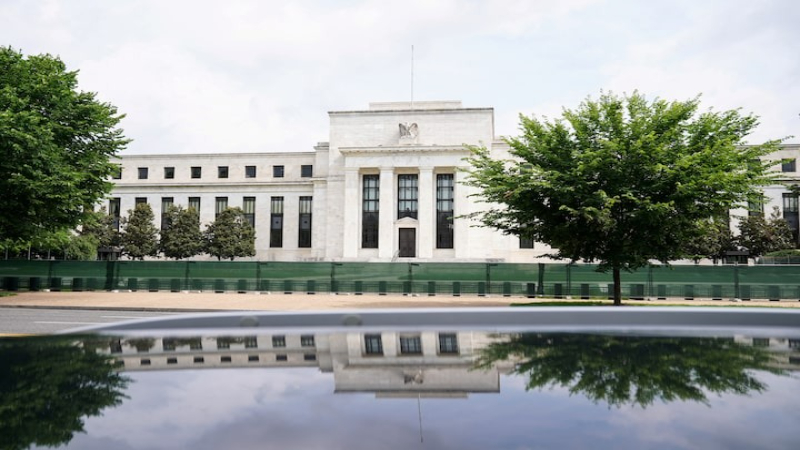
The Federal Reserve is signaling that its restrictive monetary policy will remain in place for longer than markets initially anticipated. Despite growing expectations for rate cuts next year, policymakers continue to emphasize patience, stressing the need to ensure inflation remains under control before easing financial conditions.
As investors digest this message, the U.S. dollar has climbed against most major currencies, supported by high yields and resilient domestic data. The stance reinforces the view that the Fed is not yet ready to shift decisively toward accommodation, keeping global markets on edge as they adjust to a prolonged period of elevated rates.
The Fed’s Message: Steady, Not Soft
Inflation Risks Keep the Fed Cautious
Recent comments from several Federal Reserve officials indicate that policymakers are wary of declaring victory over inflation. Although price growth has slowed over the past year, officials remain focused on ensuring it stays near the target range sustainably. The risk of inflation reaccelerating especially if energy costs or wages rise continues to weigh heavily on decision-making.
The message to markets is clear: while the next move may eventually be a cut, it will come only when policymakers are confident inflation is fully anchored. Until then, the higher-rate environment will persist, reflecting a deliberate effort to maintain discipline rather than rush into easing.
Economic Data Points to Ongoing Strength
Economic figures continue to show mixed but resilient trends. Consumer spending has moderated but remains robust, and the labor market, though cooling, still supports steady wage growth. These signals give the Fed room to maintain a restrictive stance without triggering an immediate downturn.
Investors had expected clearer signs of policy pivot by late 2025, but recent data has tempered those bets. Markets now anticipate a slower pace of easing next year, with only gradual adjustments rather than an aggressive cutting cycle.
Dollar Gains Ground on Global Divergences
Rate Differentials Favor the Greenback
As the Fed reiterates its cautious stance, the dollar continues to benefit from yield differentials with other major economies. The European Central Bank and the Bank of Japan remain constrained by weak growth and lower inflation, limiting their ability to match the Fed’s rate levels.
This divergence has driven renewed demand for dollar-denominated assets. Investors seeking both yield and safety have boosted holdings in U.S. bonds and money market funds, further lifting the greenback’s position across global currency markets.
Safe-Haven Flows Reinforce Strength
Beyond interest rate dynamics, geopolitical tensions and slower global growth are also contributing to safe-haven flows into the dollar. With concerns mounting over sluggish demand in China and uncertainty surrounding energy prices, investors are favoring U.S. assets as a hedge against volatility.
The result has been a broad-based strengthening of the dollar, particularly against emerging-market currencies that remain sensitive to changes in global liquidity. For policymakers abroad, this renewed dollar strength complicates efforts to manage inflation and capital stability at home.
Bond Market Reactions and Financial Conditions
Treasury Yields Remain Elevated
U.S. Treasury yields have held near multi-year highs as investors reassess the timing of potential policy adjustments. The two-year yield, which reflects expectations for short-term rates, remains particularly elevated, signaling confidence that the Fed’s restrictive path will persist well into next year.
Longer-term yields have shown more volatility, as markets weigh slower growth prospects against persistent inflation uncertainty. This combination has flattened portions of the yield curve, reflecting cautious optimism that inflation is being contained but not yet fully conquered.
Market Liquidity and Funding Costs Tighten
The sustained higher-rate environment is also influencing broader credit markets. Corporate borrowing costs have increased, and mortgage rates remain near their peak levels of the cycle. While financial stress remains manageable, continued tight conditions could begin to weigh more heavily on business investment and consumer confidence in the coming months.
Nonetheless, the Fed appears comfortable maintaining pressure until there is clear evidence that the economy is decelerating at a controlled pace rather than slipping into contraction.
Global Market Implications
Emerging Markets Face Renewed Pressure
For emerging economies, the dollar’s renewed strength presents a dual challenge: currency depreciation and higher financing costs. Nations with large external debt loads are particularly exposed as capital flows shift back toward the U.S. High yields on dollar assets reduce the attractiveness of riskier investments, tightening financial conditions worldwide.
Some central banks in Asia and Latin America have responded by intervening in currency markets or raising rates to protect domestic stability. However, the room for maneuver is limited, and persistent U.S. strength may continue to strain global liquidity.
Commodity Prices React to Dollar Dynamics
The stronger dollar is also exerting downward pressure on commodity prices, especially gold and oil. While precious metals initially gained from safe-haven demand, the rising dollar has capped further upside. Energy markets have experienced similar volatility, with strong dollar pricing offsetting geopolitical supply concerns.
This interaction between dollar movements and commodity pricing remains a key channel through which U.S. monetary policy influences global inflation and trade balances.
Policy Outlook and Investor Strategy
Waiting for the Pivot That Hasn’t Arrived
Investors have spent much of the year anticipating a turn in the Fed’s policy direction, but recent developments suggest the wait may be longer than expected. Policymakers are signaling that patience, not speed, will guide their next steps. As inflation drifts closer to target, officials want to see consistent moderation before cutting rates.
This measured approach reduces the risk of repeating past policy errors but also prolongs the adjustment period for markets accustomed to easier monetary conditions. Investors are adapting by shifting portfolios toward shorter-duration assets and sectors less sensitive to interest rate swings.
Conclusion
The Federal Reserve’s “higher for longer” policy stance continues to define the global market narrative. The combination of resilient U.S. growth, elevated yields, and cautious inflation management has strengthened the dollar while tightening global financial conditions.
For now, the Fed’s message is one of endurance rather than retreat. Until inflation risks fade decisively, the U.S. dollar will likely remain firm, reflecting both policy confidence and the world’s ongoing reliance on U.S. stability as a financial anchor.