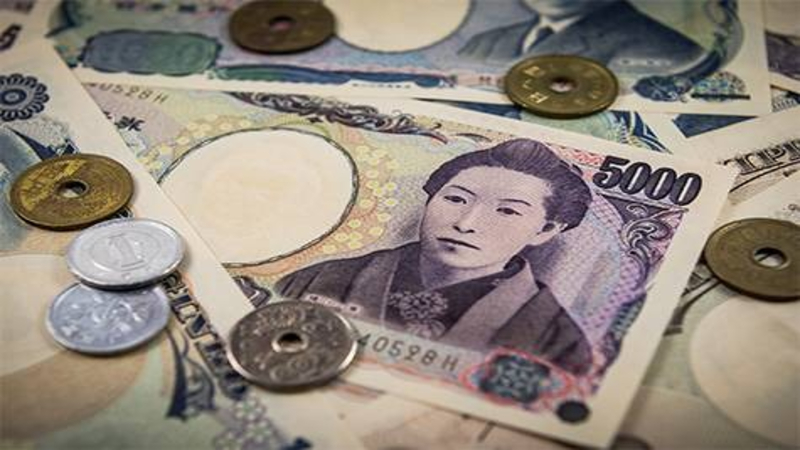
The Japanese yen’s sudden surge against the U.S. dollar has grabbed global attention amid rising expectations of fiscal stimulus in Tokyo and a changing policy backdrop. With Japan’s ruling party leadership picking a known reflationist figure, markets are anticipating a shift away from years of ultra-loose monetary policy toward aggressive government spending. This change has widened the interest-rate outlook and triggered a rapid reassessment of the yen’s value relative to the dollar.
As the yen strengthens, the U.S. dollar is under pressure from one of its traditional safe-haven counterparties gaining momentum. The currency move has implications far beyond FX markets: it signals evolving capital flows, shifts in carry trades, and competing policy regimes between Tokyo and Washington. For dollar-centric watchers, the yen’s comeback may be a signal of broader currency regime changes ahead.
Policy Pivot and Yen Momentum
Leadership Change Sparks Market Repricing
Japan’s political landscape is now aligning with expectations of increased fiscal largesse and looser monetary settings. With the new leadership poised to champion large-scale public investment, tax reliefs and structural reforms, financial markets are responding by weakening bets on near-term interest-rate hikes. The result has been a sharp repricing of both currency and bond markets as investors adjust to the prospect of reflation.
The yen’s move reflects more than just optimism about spending it incorporates the reality of shifting expectations at the central bank. As monetary accommodation is likely to remain strong under the new regime, the currency gains appeal for investors who expect higher inflation or a more aggressive stimulus environment to materialise.
Bond Markets Reflect Reflation Nerves
Japanese government bonds have responded accordingly: long-dated yields have climbed, and the yield curve has steepened, signalling a resurgence of inflation-expectation risks. The spike in yields has caught attention because it contrasts with the years of near-zero policy and flattened curves. As bond investors adjust to the possibility of elevated issuance and looser policy, the yen’s strength gains further credibility in the context of global capital repositioning.
This bond-currency interplay underscores the changing risk profile of Japanese assets for international investors. For dollar investors watching from afar, the shift in Japan represents a counterweight to dollar dominance — both through capital raised in yen and through competitive currency moves that may reduce the dollar’s safe-haven attraction in the region.
Global Implications for the Dollar
Competitive Currency Dynamics
The yen’s rally introduces additional pressure on the U.S. dollar by altering the competitive currency landscape. A stronger yen reduces the relative attractiveness of the dollar for investors seeking carry returns or safe havens in Asia. When another major global currency begins to appreciate, flows that might traditionally favour the dollar can pivot, creating headwinds for dollar-based strategies.
Moreover, if Japan’s fiscal actions succeed in boosting growth and inflation faster than expected, the yen could gain structural strength, not just a short-term bounce. That scenario would challenge the dollar’s dominance in trade settlement and reserve status by giving investors one more credible global currency alternative.
Shifting Capital Flows and Risk Sentiment
Capital flows may start to diversify as the yen-dollar equation shifts. As the yen gains appeal, investors may rotate from dollar-funded carry trades into yen-funded or hedged positions. Emerging-market investors might rebalance accordingly, reducing their reliance on the dollar and increasing exposure to Asian currency markets. These underlying flows influence both FX rates and the broader dollar liquidity environment.
In an environment where FX volatility increases, the dollar’s role as the “go-to” safe currency could be challenged. If risk sentiment improves and the yen’s trajectory accelerates, investors may perceive the dollar as less uniquely dominant, opting for a more diversified currency basket. That raises potential structural concerns for dollar-centric credit markets and reserve asset flows.
Outlook and Risk Considerations
Watching Policy Implementation
The key variable remains how swiftly and credibly Tokyo implements its stimulus agenda while managing inflation and currency stability. Should the new leadership deliver tangible reforms and spending, the yen’s rally may deepen and become self-reinforcing. But if promises encounter obstacles or global headwinds blunt Japan’s growth, the current strength may reverse. The U.S. dollar, for its part, will need a fresh catalyst or policy shift to offset these emerging risks.
Timing is critical. The decision-making path of Japan’s central bank and government will determine how much traction the yen can gain. Meanwhile, dollar watchers must monitor U.S. economic data, fiscal policy and global risk sentiment, as these factors will interact with the evolving Japanese scenario.
Implications for Investors and Markets
For currency traders, the yen’s shift offers both opportunity and caution. The rally could continue if reflation gains momentum and global rate differentials widen in Japan’s favour. On the flip side, sudden disappointment or policy missteps could provoke sharp reversals, especially if dollar-based capital flows rush back in. For broader global markets, the changing yen-dollar dynamic may signal the beginning of a more multipolar currency framework rather than a simple one-currency dominance story.
Conclusion
The yen’s revival following Japan’s political transition adds a new dimension to the global currency narrative and places unexpected pressure on the U.S. dollar. While the dollar remains central in trade and finance, the emergence of yen strength reminds markets that regime shifts matter. The coming months will reveal whether this move is transient or the start of a broader structural change. For traders and policymakers alike, the interplay between fiscal policy, bond yields and currency flows in Japan is now a critical piece of the global macro-puzzle.