Asian policymakers are once again entering the foreign exchange markets to defend their currencies as the U.S. dollar remains near multi-month highs. Central banks from India to Japan and South Korea have intensified interventions, reflecting growing concern that unchecked volatility could undermine financial stability and trade competitiveness. What began as a measured effort to smooth market fluctuations is rapidly evolving into a new phase of currency management reminiscent of the coordinated interventions seen during the 2010s.
The immediate trigger for this renewed action is the combination of persistent U.S. dollar strength, rising import costs, and slowing regional growth. The Federal Reserve’s cautious stance on rate cuts and continuing demand for safe-haven assets have kept the dollar well bid, while Asian economies heavily reliant on exports face added pressure from weaker local currencies. As the dollar index remains elevated, regional policymakers are weighing the delicate balance between supporting domestic demand and preventing excessive depreciation that could spark inflation.
India’s Reserve Bank Steps In to Support the Rupee
India’s central bank has become increasingly active in the foreign exchange market as the rupee faces selling pressure from foreign investors. The Reserve Bank of India has been spotted intervening in both the spot and forward markets, selling dollars to curb the pace of rupee depreciation. This comes at a time when India’s trade deficit has widened, and foreign capital inflows have turned cautious amid global uncertainty.
The intervention is aimed at maintaining market stability without disrupting the natural adjustment of exchange rates. Policymakers have signaled that they are comfortable with some level of depreciation but will not allow disorderly movements that could erode investor confidence. The rupee’s performance holds symbolic importance for India’s broader economic credibility. As the country continues to attract foreign investment into its equity and bond markets, a stable currency helps ensure that global investors view India as a predictable and resilient destination.
Japan and Korea Face Parallel Currency Pressures
Japan and South Korea are confronting similar challenges, albeit for different reasons. In Tokyo, the yen remains under persistent pressure as the Bank of Japan maintains ultra-loose monetary policy even while inflation trends higher. Market speculation about potential yen-support measures has grown, with authorities reiterating their readiness to act if moves become “excessive.” While direct intervention remains rare, officials have been signaling that disorderly declines will not be tolerated. The yen’s depreciation has benefited exporters, but it has also raised import costs and consumer prices, creating a policy dilemma for the Japanese government.
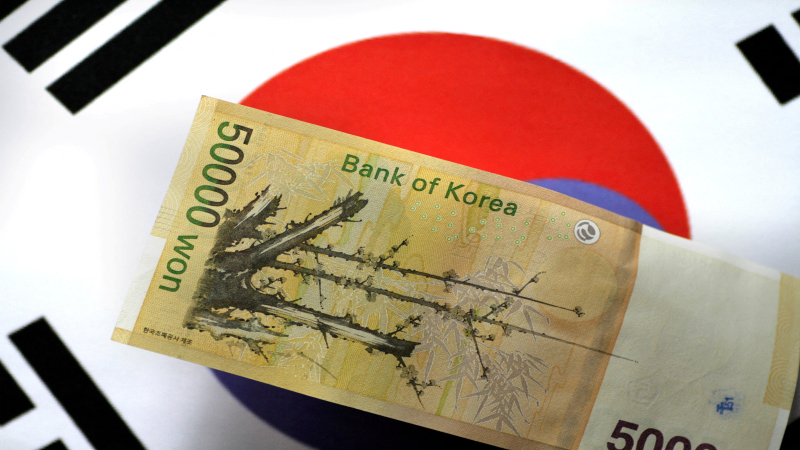
In South Korea, the won has weakened sharply in recent weeks, prompting the finance ministry and the Bank of Korea to issue verbal warnings and, according to market reports, consider targeted interventions. South Korean exporters face rising input costs due to higher energy prices and a stronger dollar, while households are feeling the impact of imported inflation. Officials are walking a fine line intervening enough to restore confidence but avoiding the perception of manipulating the currency for competitive advantage.
A Regional Response to a Global Problem
What makes this round of intervention different from previous episodes is its coordination and timing. Rather than isolated national actions, several Asian central banks appear to be acting within a shared context of preserving financial stability in the face of strong dollar inflows. China’s managed yuan policy adds another dimension, as the People’s Bank of China continues to guide the daily midpoint higher to limit volatility while supporting domestic liquidity. Together, these efforts form a loose but recognizable pattern of regional defense against a surging dollar.
The interventions also underscore Asia’s evolving role in the global monetary system. The region’s combined foreign-exchange reserves exceed eight trillion dollars, giving policymakers substantial firepower. Yet, using these reserves is not without risk. Continuous intervention can drain liquidity, distort pricing, and create expectations of official support that may be difficult to sustain. Many central banks are therefore complementing market action with communication strategies designed to discourage speculative attacks.
The Broader Implications for Global Markets
Currency defense in Asia carries implications far beyond the region. When Asian policymakers step in to stabilize their currencies, the ripple effects extend to global bond and commodity markets. Stronger regional currencies tend to dampen the dollar’s upward momentum, which in turn affects yields and cross-border investment flows. At the same time, frequent interventions remind investors that exchange rates are not purely market-driven but subject to official management.
This dynamic can cut both ways. On one hand, it reassures global investors that policymakers are actively preserving stability. On the other hand, it raises questions about whether such measures mask underlying weaknesses in growth or external balances. For multinational corporations, the shifting currency landscape complicates hedging strategies, as volatility and policy signals become increasingly unpredictable.
Conclusion
Asia’s renewed battle to defend its currencies reflects the growing strain of a persistently strong dollar on global markets. From India’s rupee interventions to Japan’s verbal warnings and South Korea’s policy coordination, the region’s central banks are attempting to contain volatility without undermining confidence. While these actions may succeed in slowing short-term currency declines, they also highlight the growing divide between the U.S. and its trading partners over monetary normalization.
The current wave of intervention could become a defining theme for late 2025. As global interest rate cycles begin to diverge, the world may once again witness an era of subtle currency competition one driven not by aggressive devaluation, but by the constant effort to preserve stability in a dollar-dominated world