Introduction
The Federal Reserve’s shift toward rate cuts has become one of the most closely watched developments in global finance. According to recent market data and economist surveys, policymakers are preparing for a gradual easing cycle beginning later this year as inflation continues to soften and growth shows signs of slowing. At the same time, the United States is confronting an unprecedented rise in federal debt, with borrowing levels approaching new historical records. This confluence of monetary easing and fiscal expansion is shaping a new debate: can the dollar remain stable when the forces supporting it are being pulled in opposite directions?
The tension is unmistakable. On one side, lower interest rates are expected to weaken the dollar by reducing yield advantages over other currencies. On the other hand, expanding government debt creates uncertainty about the long-term sustainability of U.S. fiscal policy, adding pressure to investor confidence. Together, these dynamics form a complex picture for global markets that rely on the dollar’s role as a haven and anchor currency. The outcome will depend not only on how the Fed manages the coming rate cycle but also on whether Washington can balance its spending ambitions with fiscal restraint.
The Fed’s Rate Cut Path and Market Expectations
Federal Reserve officials have signaled growing openness to rate reductions as core inflation moves closer to the 2 percent target and the labor market cools. Job openings have declined, wage growth is moderating, and recent manufacturing data suggest that the economy is losing momentum. These indicators, combined with the Fed’s latest projections, have prompted investors to price in at least two rate cuts by the end of the year. Market sentiment has shifted accordingly, with the dollar index slipping as traders anticipate a less restrictive monetary environment.
However, this pivot carries considerable risk. If the Fed moves too quickly to ease policy, it could reignite inflationary pressures that have only recently come under control. Conversely, if it waits too long, slowing growth may turn into contraction, worsening debt dynamics, and increasing financial stress. For now, most analysts expect a cautious approach: small, measured cuts aimed at maintaining stability rather than fueling exuberance. Still, even modest rate adjustments can trigger large shifts in global capital flows. As yields fall, investors tend to seek higher returns abroad, weakening the dollar and reshaping foreign exchange markets.
Debt Escalation, Fiscal Risk, and Dollar Vulnerability
At the same time, the United States is running budget deficits that exceed 6 percent of GDP, a level typically associated with periods of crisis or recession. Federal debt is projected to surpass 130 percent of GDP within the decade if current trends persist. Rising interest costs mean that a growing share of federal revenue is being consumed by debt service rather than public investment or social programs. This situation creates a feedback loop: the more the government borrows, the more it must pay in interest, and the harder it becomes to reduce the deficit without deep spending cuts or tax increases.
Such fiscal realities weigh heavily on perceptions of dollar stability. Investors are increasingly questioning whether the U.S. can maintain its debt trajectory without compromising its credit standing. While the dollar remains the world’s dominant reserve currency, its strength ultimately depends on confidence in U.S. policy. If investors begin to perceive that political gridlock prevents meaningful fiscal reform, demand for dollar assets could waver. The irony is that lower interest rates, which might ease debt costs in the short term, could also undermine the currency’s appeal by reducing returns. In this environment, the dollar’s role as a haven is not guaranteed; it must continually earn that trust.
Global Spillovers and Capital Flow Dynamics
The implications of Fed policy and U.S. debt accumulation extend far beyond American borders. A softer dollar can ease the financial burden on countries that borrow in U.S. currency, especially in emerging markets, where dollar-denominated debt remains high. When the greenback weakens, these nations face lower repayment costs and more favorable borrowing terms. However, the opposite effect can occur if market confidence falters. A sudden shift in sentiment could lead to capital outflows, currency depreciation, and heightened volatility in developing economies.
For major economies, the adjustment is equally delicate. A weaker dollar often supports global commodity prices by making them cheaper for non-U.S. buyers, which can fuel inflation in energy and raw materials. Meanwhile, investors may rebalance portfolios toward regions with tighter monetary policy and stronger growth prospects, such as parts of Asia and the Eurozone. This realignment could lead to a redistribution of global capital, affecting everything from trade balances to corporate earnings. In short, what happens in Washington does not stay in Washington. Every basis-point move in U.S. interest rates and every new dollar of debt reverberates through global markets.
Conclusion
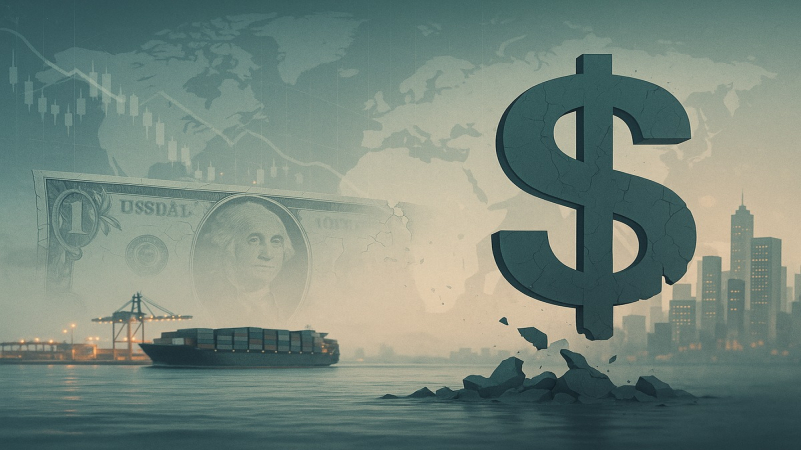
The intersection of rising debt and forthcoming rate cuts places the U.S. dollar at a crossroads. The Federal Reserve faces a delicate balancing act: it must support economic growth without undermining confidence in the currency or in the country’s fiscal management. While rate cuts could provide temporary relief to borrowers and equity markets, the underlying issue of mounting debt remains unresolved. Over time, persistent fiscal expansion could erode the foundations of the dollar’s global dominance if it undermines trust in U.S. discipline and sustainability.
For readers of USD Observer, the key takeaway is that dollar stability now depends as much on politics and policy credibility as it does on economic data. The Fed’s decisions in the coming months will shape not only short-term market movements but also long-term perceptions of American solvency and reliability. The dollar has weathered many storms before, but this time, the challenge is internal: balancing growth ambitions with fiscal realism. Whether policymakers can achieve that balance will determine if the dollar remains the world’s anchor or begins to drift with the tide of its own debt.