Introduction
The U.S. dollar has continued to extend its rally across major currency pairs, building on momentum that began earlier in the week. Traders cite a combination of global uncertainty, yield differentials, and risk aversion as primary factors behind the currency’s rise. The dollar’s resilience has been particularly evident against the euro and yen, both of which have faced domestic policy challenges that dampened investor sentiment. However, while the greenback’s strength appears stable in the short term, analysts remain skeptical about its long-term sustainability. Their skepticism stems from the growing divergence between financial market behavior and the underlying fundamentals of the U.S. economy, which show emerging signs of slowing momentum and rising fiscal constraints.
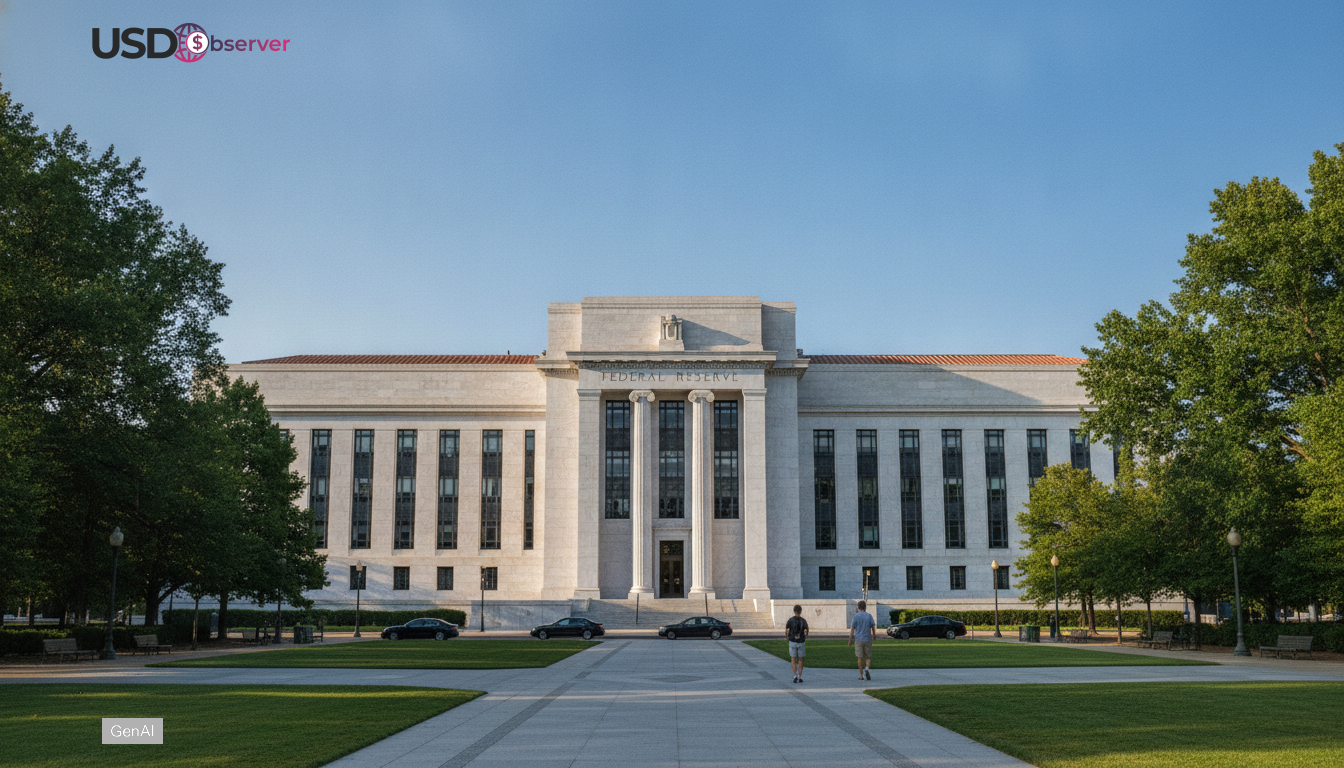
The dollar’s recent ascent is a reminder of its enduring appeal as the world’s dominant reserve currency. Yet, market analysts argue that much of its current momentum stems from relative weakness elsewhere rather than intrinsic U.S. strength. The Federal Reserve’s cautious stance, coupled with slowing inflation, has left traders uncertain about the policy direction for the rest of the year. Meanwhile, global investors are still adjusting to divergent economic recoveries across major regions. The combination of defensive positioning, uneven growth, and continued geopolitical risks has temporarily boosted dollar demand. However, the prevailing view is that such support may prove short-lived once markets begin to reprice expectations for global interest rates and growth.
The Drivers Behind the Dollar’s Current Strength
Several key factors have fueled the dollar’s recent gains. The first is risk aversion, as geopolitical instability and uneven recovery trajectories across Europe and Asia have pushed investors toward safer assets. In times of uncertainty, the dollar benefits from its liquidity and global reserve status. Central banks and sovereign wealth funds often increase their holdings of dollar-denominated assets to mitigate exposure to regional volatility. This behavior reinforces upward pressure on the currency, even when U.S. data shows only moderate economic resilience. The second factor is yield differentials. While the Federal Reserve has paused rate adjustments, its benchmark levels remain higher than those of most other major economies. That gap continues to attract institutional capital, especially from regions where growth remains subdued and real returns are comparatively low.
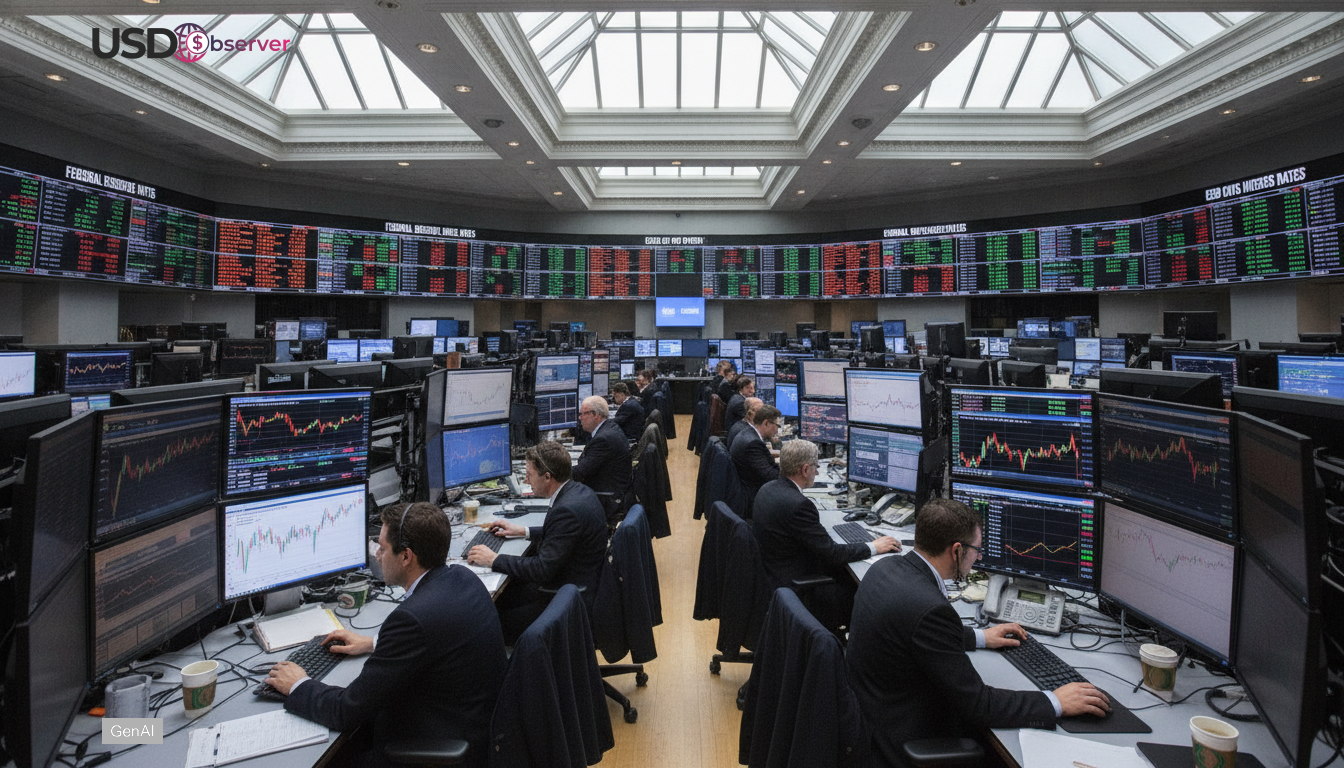
Another important driver lies in speculative flows. Many hedge funds and institutional traders who previously bet against the dollar have been forced to unwind their positions, amplifying the rally through short covering. This technical momentum has added temporary strength to the currency, even without a clear improvement in U.S. fundamentals. Moreover, emerging markets have shown mixed performance, with several countries struggling to defend their currencies against rising global yields. As their local currencies weaken, additional capital shifts toward the dollar, creating a reinforcing cycle of appreciation. This dynamic explains why the greenback’s rise appears stronger than justified by macro data alone. It is a reflection of relative positioning in global markets rather than a sign of renewed economic vigor in the United States.
Warning Signs of Overextension
Despite its current strength, several warning signals suggest the dollar may be overextended. One of the most prominent concerns is the slowing pace of U.S. consumer spending. Recent data indicate that households are becoming more cautious, with real wage growth stagnating and credit conditions tightening. These trends pose risks to the domestic economy, as consumer activity drives a large share of U.S. GDP. If spending slows further, expectations of strong economic performance may fade, eroding support for the currency. Another concern is the widening fiscal deficit, which continues to raise questions about long-term debt sustainability. The U.S. government’s borrowing needs are expected to increase significantly in the coming quarters, potentially leading investors to reassess the attractiveness of dollar-denominated debt if yields fail to compensate for growing risk.
Additionally, global central banks are beginning to adjust strategies to reduce reliance on the dollar in cross-border transactions. Several major economies, including members of the BRICS bloc, have signaled an intention to diversify reserve holdings and expand bilateral settlement systems. While these shifts are gradual, they underscore a strategic attempt to mitigate exposure to dollar volatility. If the trend accelerates, it could weaken one of the structural supports that have historically underpinned dollar demand. Analysts note that such developments, combined with any easing of global risk aversion, could set the stage for a broad dollar correction in the medium term.
Market Reactions and Global Spillovers
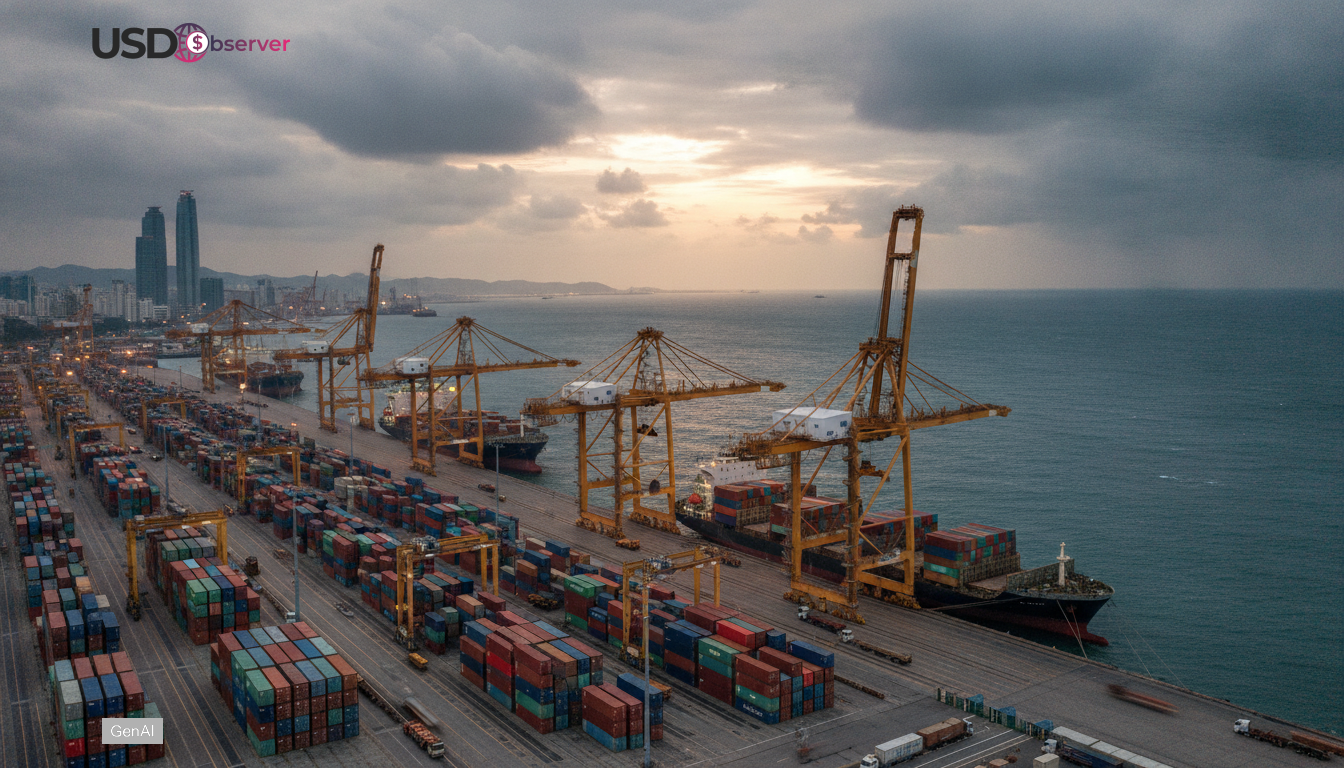
The dollar’s climb has not occurred in isolation. Its strength has triggered notable movements in equity, bond, and commodity markets worldwide. In Asia, currencies such as the yen and the Korean won have come under renewed pressure, prompting official statements and hints of intervention. European markets have faced additional strain, as a stronger dollar often coincides with weaker commodity prices and tighter liquidity conditions for euro-based trade. Meanwhile, emerging markets have experienced increased capital outflows, as investors seek refuge in more stable dollar assets. These shifts have raised financing costs for developing economies and complicated their monetary policy responses to inflation.
In the U.S. itself, the effects are mixed. On one hand, a stronger dollar helps to moderate import prices and curb inflationary pressure, which can provide short-term relief to policymakers. On the other hand, it undermines export competitiveness and weighs on corporate earnings for multinational firms. This duality creates policy tension between maintaining inflation control and sustaining industrial output. As markets weigh these outcomes, traders are beginning to question whether the current phase of dollar strength aligns with broader macroeconomic stability. If the balance tips toward lower growth, the dollar’s advantage may quickly diminish.
Analysts’ Outlook and Policy Implications
Market strategists increasingly argue that the dollar’s rally may be approaching its limits. Analysts from several major institutions emphasize that while the greenback benefits from cyclical uncertainty, its fundamentals no longer justify sustained appreciation. With inflation stabilizing and interest rates peaking, the likelihood of extended dollar dominance diminishes. The Federal Reserve’s cautious approach to future tightening signals a gradual normalization phase rather than continued restraint. In this environment, other major economies may begin to narrow the yield gap, reducing the incentive to hold dollars. The current rally may therefore reflect temporary momentum rather than structural realignment.
Policy experts also point out that U.S. fiscal conditions will play a critical role in determining the dollar’s direction. The country’s mounting debt and growing deficit have implications for bond yields, investor confidence, and future credit ratings. If fiscal pressures persist without credible consolidation measures, investors could begin demanding higher risk premiums on U.S. assets. That shift would weigh on both treasury markets and currency sentiment. Meanwhile, foreign policymakers are likely to maintain a cautious tone, managing their own exchange rates to prevent destabilizing volatility. The coming months could therefore see a phase of slower appreciation or even partial correction as markets re-evaluate risk positioning.
Conclusion
The dollar’s recent rally represents a complex intersection of global risk aversion, monetary divergence, and investor positioning. While its near-term momentum remains strong, the underlying fundamentals do not appear robust enough to sustain prolonged strength. Analysts warn that once temporary factors subside, structural vulnerabilities, including fiscal imbalance, slowing domestic growth, and diversification away from dollar assets, could resurface as dominant themes. For now, the greenback’s resilience underscores its global importance, but its trajectory ahead will depend on whether economic stability can match market optimism.
In essence, the dollar’s rise is both a reflection of global caution and a test of confidence in U.S. policy management. If data continues to show uneven growth and fiscal challenges persist, traders may soon find fewer reasons to stay long on the currency. The world’s most traded asset remains under scrutiny, and the next phase of its journey will likely reveal whether this rally was a signal of renewed dominance or simply a brief reaction to uncertainty abroad.