Introduction
Asian markets opened the week on a cautious note as renewed uncertainty surrounding trade relations between the United States and China cast a shadow over regional sentiment. Investors initially responded positively to early signs of dialogue between Washington and Beijing, but optimism quickly faded as conflicting statements from both sides emerged. The sense of fragility in the global economic outlook continues to weigh heavily on market participants, especially those exposed to cross-border trade, technology exports, and foreign exchange volatility. By mid-session, most major indices in Asia were struggling to maintain momentum, with traders preferring to wait for clarity rather than commit capital prematurely.
This caution comes at a time when the broader global environment is already strained by diverging monetary policies and slowing growth. Asian economies, many of which serve as critical links in global supply chains, are particularly sensitive to fluctuations in trade expectations. A temporary lull in tensions can lift markets quickly, but any renewed rhetoric of tariffs, sanctions, or competitive devaluations tends to reverse gains just as swiftly. The result has been an atmosphere of restraint and hesitation, with investors reluctant to take large positions ahead of key diplomatic meetings later this month. The combination of policy uncertainty and limited liquidity has left markets moving sideways, neither confident enough for a rally nor fearful enough for a sell-off.
Trade Politics and Diplomatic Signal Fluctuations
The evolution of trade discussions between the U.S. and China continues to set the tone for global markets. Recent diplomatic exchanges suggested the possibility of renewed cooperation, with both governments hinting at progress in technical talks on supply chain security and technology standards. However, these messages were soon overshadowed by public comments from senior officials that reignited doubts about a breakthrough. The mixed nature of communication has created a disconnect between rhetoric and market interpretation. Investors find themselves navigating an environment in which one positive headline is quickly followed by another that revives skepticism. This uncertainty has sapped momentum from markets that thrive on predictability and confidence.
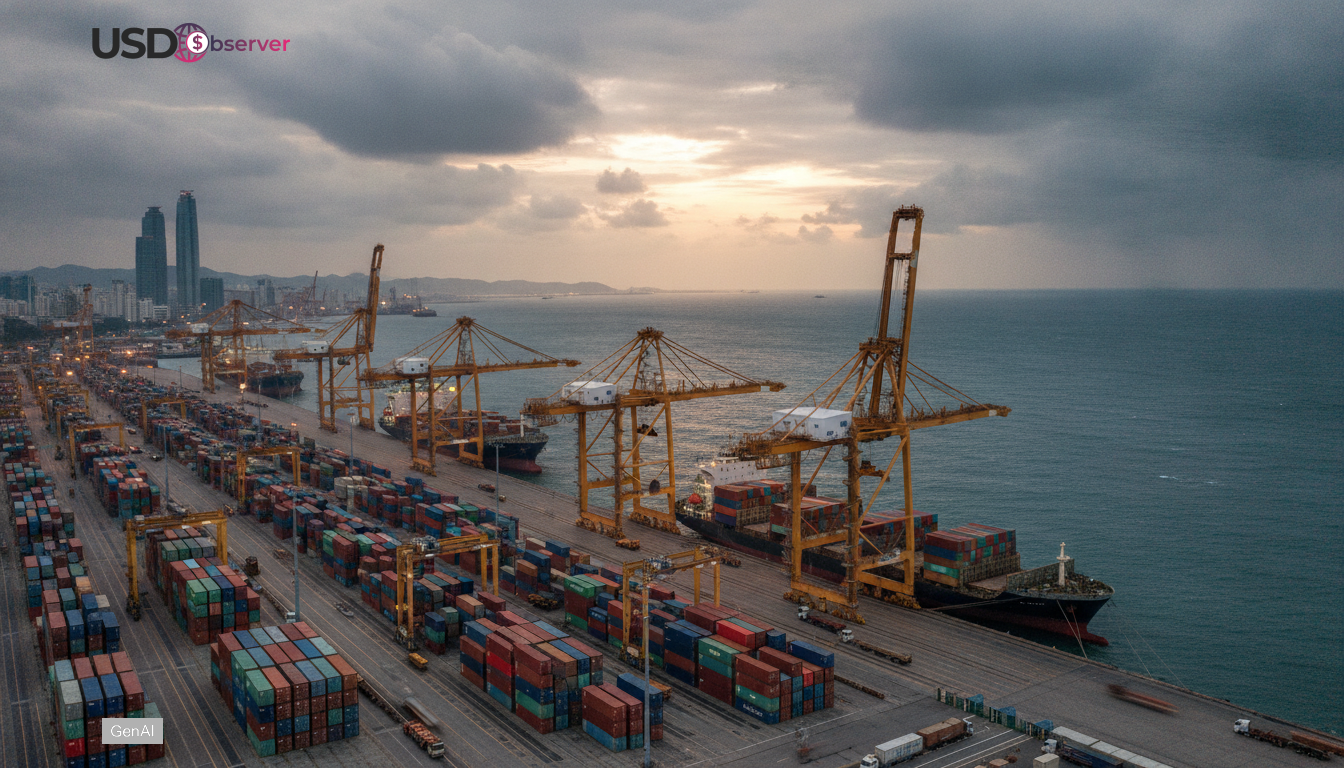
For much of Asia, this unpredictability is more than an abstract concern. The region’s export economies depend heavily on stable trade flows between the world’s two largest economies. Any deterioration in relations can disrupt manufacturing output, delay investment decisions, and tighten credit conditions. Recent corporate surveys in Taiwan, South Korea, and Singapore suggest that firms are adopting more defensive business plans, delaying capital expenditure until the geopolitical outlook becomes clearer. Even multinational firms with diversified supply chains have scaled back risk exposure in response to shifting trade regulations. The cyclical nature of this uncertainty underscores how deeply the region’s growth prospects are tied to U.S.-China cooperation, or the lack thereof.
Market Reactions and Flow Dynamics
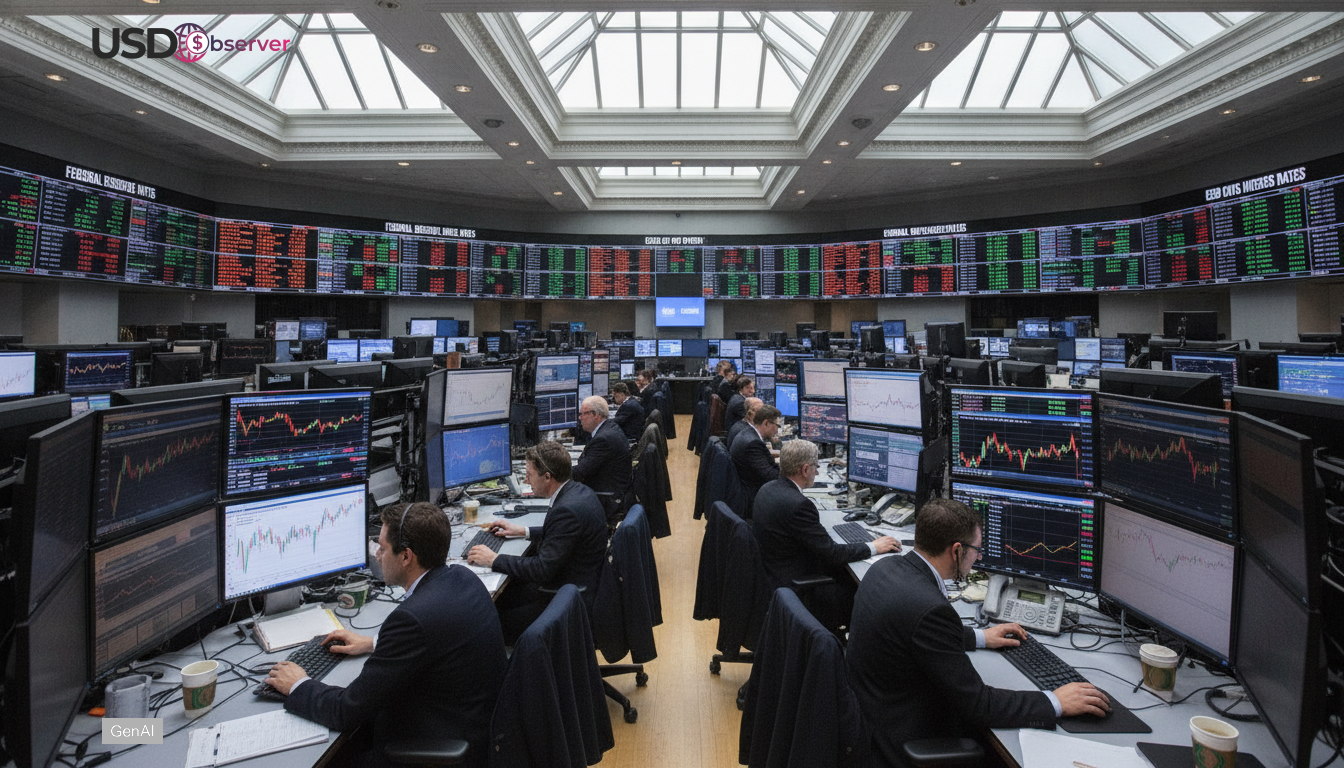
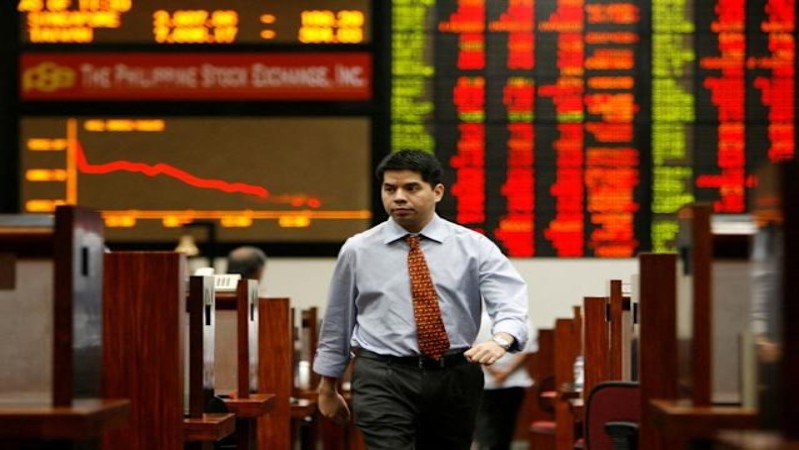
Financial markets across Asia reflected these concerns through subdued trading activity and selective positioning. Stock indices in Hong Kong and Seoul fluctuated throughout the day, oscillating between small gains and losses as investors reacted to incremental headlines. Technology and semiconductor sectors saw early inflows, supported by strong earnings, but overall participation remained thin. Meanwhile, defensive sectors such as utilities and consumer staples attracted more stable interest as fund managers sought to minimize downside exposure. This bifurcation illustrates how investors are hedging exposure rather than expressing broad directional conviction. The result is a fragmented market tone, where pockets of optimism coexist with deep-seated caution.
In currency markets, the U.S. dollar strengthened modestly against most Asian currencies as traders opted for safety amid heightened uncertainty. The yuan traded within a narrow band, reflecting managed stability efforts from the People’s Bank of China, while the Japanese yen weakened further due to ongoing expectations of policy accommodation. Regional currencies such as the Korean won and Malaysian ringgit saw brief rallies, but they lacked follow-through as investors adjusted hedges against global risk events. Bond markets also mirrored this defensiveness. Government yields in several emerging Asian economies edged higher as foreign investors trimmed exposure, anticipating potential volatility if trade negotiations falter. The balance between risk appetite and capital preservation continues to dominate regional market behavior.
Broader Economic and Policy Implications
The persistent caution in Asia’s financial markets reflects a deeper anxiety about policy direction and economic resilience. Prolonged uncertainty in U.S.-China relations has made it difficult for central banks and governments in the region to formulate long-term strategies. Many policymakers face the dilemma of whether to tighten financial conditions to combat inflation or to maintain stimulus to support growth amid external headwinds. This policy ambiguity mirrors the investor sentiment visible in asset markets: both are waiting for clearer signals from global powers before committing to decisive action. The inability to plan effectively in such an environment slows investment, suppresses hiring, and dampens consumer confidence.
At the same time, the geopolitical rivalry between the U.S. and China is increasingly spilling over into areas beyond trade. Competition in emerging technologies, artificial intelligence, and renewable energy supply chains is shaping new economic alliances and investment flows. Several Asian economies are caught between competing strategic interests, balancing security cooperation with Washington against economic dependence on Beijing. This tension is prompting gradual diversification of trade relationships within Asia, including deeper regional integration through initiatives like RCEP and ASEAN connectivity programs. Yet, these efforts will take time to bear fruit, leaving the region exposed to policy shocks from both sides of the Pacific in the near term.
Investor Outlook and Risk Strategy
Investors are now navigating an unusually complex mix of political, monetary, and structural variables. On one hand, corporate fundamentals in parts of Asia remain strong, supported by resilient domestic demand and improved supply chain efficiency. On the other hand, global conditions ranging from rising borrowing costs to softening export orders continue to constrain market optimism. Institutional investors are adopting shorter time horizons and favoring liquid assets that can be adjusted quickly in response to geopolitical developments. Hedge funds are using options strategies to capture volatility spikes while limiting downside risk. Meanwhile, sovereign wealth funds and pension managers are maintaining higher cash positions than usual, a sign of broad caution rather than localized concern.
Analysts believe that a more sustainable rebound in Asian markets will depend on consistent and credible progress in trade diplomacy. This means not just symbolic meetings, but tangible steps toward policy alignment and transparency in tariff schedules, export controls, and investment rules. Until such measures are visible, investors are likely to maintain a neutral stance, treating any rallies as opportunities to rebalance rather than to build long-term positions. As long as global policymakers remain cautious, markets will mirror that restraint. The region’s economic potential remains immense, but it needs a stable external environment to translate that potential into durable gains.
Conclusion
Asian markets are navigating an uneasy equilibrium caught between the prospect of improved relations and the risk of renewed confrontation between the United States and China. Each round of diplomacy brings a flicker of optimism, but conflicting policy signals and unpredictable rhetoric quickly extinguish it. The result is a trading environment defined more by caution than conviction, where investors prefer to wait for clarity rather than risk misjudgment. This hesitation reflects a rational response to a complex global landscape in which the boundary between politics and economics grows increasingly blurred.
For now, patience has become the prevailing strategy. Regional policymakers and market participants alike recognize that stability cannot be assumed in a climate shaped by strategic rivalry. Until both sides articulate clearer policy commitments, Asia’s markets will likely remain in a narrow, hesitant range. Yet beneath the caution lies resilience; the region’s economies continue to adapt, diversify, and innovate, positioning themselves to respond once the fog of uncertainty begins to clear.