Introduction
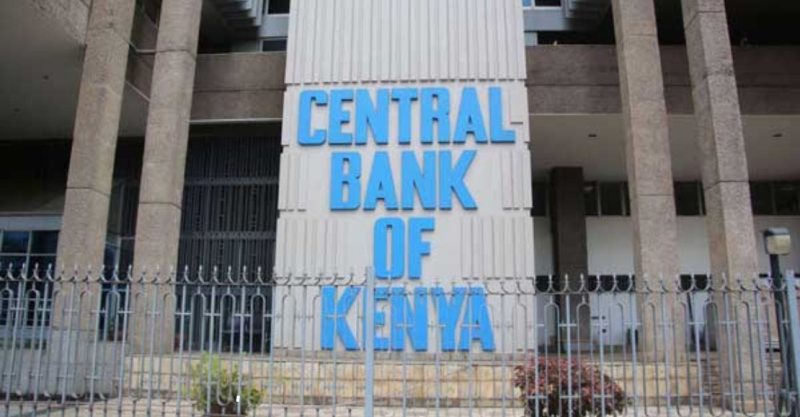
Kenya’s central bank has cut its benchmark lending rate by 25 basis points to 12.75 percent, marking its first policy easing in nearly a year as inflation remains comfortably within its target range. The decision, announced after the Monetary Policy Committee’s October meeting, reflects growing confidence that price pressures have stabilized and that the economy can absorb a modest boost to credit and investment. The Central Bank of Kenya (CBK) emphasized that the move aims to support domestic demand and maintain a steady disinflation path, even as external headwinds persist.
Governor Kamau Thugge stated that the policy shift was driven by evidence of easing inflation, stable exchange rates, and improved foreign reserve positions. The headline inflation rate fell to 5.6 percent in September, well within the CBK’s 2.5 to 7.5 percent target band, supported by lower food and energy prices. While policymakers remain vigilant about global oil volatility and currency depreciation risks, the rate cut signals growing optimism about Kenya’s macroeconomic resilience. It also reflects a broader regional trend toward policy normalization as African central banks balance stability with growth recovery.
Policy Rationale and Economic Context
Kenya’s monetary easing comes at a pivotal moment when the economy is showing early signs of recovery from last year’s slowdown. The agricultural sector, a cornerstone of Kenya’s GDP, has rebounded following improved rainfall, while the services and tourism industries have regained momentum. The decision to trim rates by 25 basis points underscores a careful balancing act: stimulating private sector lending without reigniting inflationary pressures. Governor Thugge stressed that the CBK’s primary objective remains price stability, but that policy flexibility is crucial to sustain growth amid tightening global conditions.
Analysts from Barclays Africa and Standard Investment Bank note that the CBK’s gradual approach demonstrates prudence. By opting for a small rate cut rather than a large reduction, the central bank avoids signaling complacency about inflation risks. The move aligns with recent improvements in Kenya’s current account deficit and a mild strengthening of the shilling against the U.S. dollar. This policy stance sends a message of confidence to investors while recognizing the structural challenges facing the economy, including fiscal constraints and persistent youth unemployment.
Inflation and Currency Dynamics
The CBK’s decision was underpinned by favorable inflation trends driven by easing global commodity prices and effective domestic supply management. Food inflation, historically volatile in Kenya, has declined sharply due to better harvests and improved logistics. Energy costs have also moderated as international oil prices stabilized after months of fluctuation. These developments have contributed to consistent inflation within the target band since early 2025, giving the central bank space to recalibrate monetary settings.
On the currency front, the Kenyan shilling has shown notable resilience. After a period of sharp depreciation in 2023, the shilling stabilized around 153 to the U.S. dollar, supported by stronger inflows from tourism, remittances, and agricultural exports. The CBK’s active interventions in the forex market have further anchored expectations, preventing speculative volatility. Analysts suggest that the rate cut may create short-term downward pressure on the shilling, but the overall macroeconomic fundamentals remain supportive of stability. Maintaining reserve buffers above four months of import cover continues to be a key element of Kenya’s monetary strategy.
Financial Sector and Lending Outlook
One of the central aims of the policy adjustment is to revive private sector credit growth, which had slowed due to high borrowing costs. Commercial banks are expected to pass on part of the rate cut to borrowers, particularly in small and medium-sized enterprises (SMEs) that form the backbone of Kenya’s employment base. The central bank has urged financial institutions to align lending practices with inclusive growth goals, emphasizing sectors such as agriculture, manufacturing, and renewable energy.
However, the impact of the rate cut may take time to filter through the economy. Many banks remain cautious about extending credit amid lingering concerns over non-performing loans. According to the CBK’s Financial Stability Report, the NPL ratio stood at 13.7 percent in August, highlighting underlying fragilities in the financial system. To mitigate risks, the central bank is strengthening supervision and encouraging the use of credit guarantee schemes to stimulate responsible lending. The overall outlook suggests gradual credit expansion rather than a rapid surge, consistent with the CBK’s conservative approach to easing.
Regional and Global Comparisons
Kenya’s rate cut mirrors a broader shift among African central banks responding to easing inflationary pressures. In Nigeria, Ghana, and South Africa, monetary authorities have signaled readiness to pivot toward neutral or accommodative stances after aggressive tightening cycles in 2023 and 2024. Kenya’s case stands out because its inflation trajectory has been notably stable, providing policymakers with credible room to act. The East African Community (EAC) has generally experienced improving macroeconomic indicators, reflecting better policy coordination and resilient domestic demand.
Globally, the CBK’s decision aligns with a cautious easing trend as central banks worldwide reassess their positions following a period of synchronized tightening. The Federal Reserve and European Central Bank have paused rate hikes, while several emerging economies, including Brazil and Chile, have already begun cutting rates. This global policy pivot reduces external financing risks for frontier markets like Kenya and supports capital inflows into local debt markets. As long as inflation expectations remain anchored, Kenya’s measured policy easing is likely to be viewed positively by international investors.
Market and Investor Reactions
Market participants reacted favorably to the CBK’s announcement, with Nairobi Securities Exchange indices posting modest gains following the decision. Banking and consumer goods stocks led the rally, reflecting expectations of lower borrowing costs and improved corporate earnings. The yield on Kenya’s 10-year government bond also edged lower, signaling investor confidence in the central bank’s management of inflation and fiscal coordination. The rate cut is expected to stimulate domestic investment, particularly in housing, energy, and infrastructure sectors that have faced funding constraints in recent quarters.
However, foreign investors remain watchful of potential volatility in global markets. Kenya’s Eurobond spreads have narrowed slightly but remain sensitive to U.S. interest rate movements. The CBK’s credibility will depend on consistent communication and data transparency in the months ahead. Analysts caution that maintaining policy discipline will be crucial to avoid perceptions of political interference in monetary decisions, especially as the government navigates budgetary challenges. Still, the decision marks a timely step toward restoring growth momentum while preserving macroeconomic confidence.
Conclusion
The Central Bank of Kenya’s decision to cut its policy rate reflects both confidence in the country’s inflation outlook and a desire to stimulate economic recovery. By acting decisively yet cautiously, the CBK has positioned itself as one of the few African central banks capable of easing without jeopardizing price stability. The move is likely to encourage credit growth, investment, and employment while keeping inflation expectations anchored within the target.
Over the coming months, the effectiveness of this policy will depend on how commercial banks respond and whether lower borrowing costs translate into real economic activity. Kenya’s experience illustrates the importance of timing and communication in monetary management. By taking a data-driven approach and maintaining macroeconomic discipline, the CBK has strengthened its credibility as a proactive and pragmatic institution navigating an increasingly complex global financial environment.