Introduction
The International Monetary Fund’s Managing Director stated that the global economy is performing better than many analysts had anticipated earlier in the year, with key indicators showing resilience in the face of inflation, tighter financial conditions, and geopolitical tensions. Speaking at the IMF’s annual policy conference, the managing director highlighted that while the global recovery has gained traction, persistent vulnerabilities threaten to slow progress in the coming quarters. The Fund’s latest assessment points to cautious optimism, tempered by warnings about inflation persistence, debt sustainability, and uneven growth across regions.
The IMF’s outlook reflects improvements in both advanced and emerging economies, driven by stable consumer demand, moderate commodity prices, and easing supply chain disruptions. However, policymakers remain vigilant about potential setbacks stemming from renewed energy price volatility, sluggish productivity growth, and ongoing geopolitical uncertainty. The Fund cautioned that the current phase of recovery should not be mistaken for full normalization, emphasizing that governments must maintain policy discipline to safeguard financial stability and prevent the buildup of new risks.
Global Growth Outlook and Inflation Trends
According to the IMF’s revised projections, global GDP growth for 2025 is expected to hover around 3 percent, slightly above earlier forecasts. The upward revision reflects better-than-expected performance in major economies such as the United States, India, and parts of Southeast Asia. Resilient labor markets and continued consumer spending have underpinned the recovery, offsetting weakness in Europe and some export-dependent regions. However, the Fund warned that growth momentum could slow if inflation proves more persistent than anticipated, forcing central banks to maintain restrictive policy settings longer.
Inflation remains the central challenge facing policymakers. While headline inflation has declined from its 2023 peaks, core inflation continues to run above target in several advanced economies. The IMF’s analysis suggests that service-sector inflation and tight labor markets are keeping price pressures elevated. Central banks are urged to maintain vigilance until inflation expectations are firmly anchored. The Fund emphasized that premature easing could reignite price instability, especially in economies where wage growth continues to outpace productivity.
Financial Stability and Credit Conditions
The global financial system has shown resilience in absorbing higher interest rates, but vulnerabilities persist in certain sectors. The IMF noted that tighter monetary conditions have begun to strain corporate balance sheets, particularly among highly leveraged firms. Real estate markets in several advanced economies face downward pressure as borrowing costs remain elevated. Despite these challenges, capital adequacy in major banking systems remains strong, and liquidity buffers are adequate to contain systemic risks. The Fund nonetheless warned against complacency in financial oversight.
Credit growth in emerging markets has slowed, reflecting both tighter global liquidity and domestic policy adjustments. Some countries have managed the transition effectively by developing local capital markets, while others remain reliant on external funding that has become more expensive. The IMF advised emerging economies to strengthen fiscal credibility and maintain exchange rate flexibility to manage capital flow volatility. Ensuring access to diversified funding sources will be crucial as global interest rates normalize and capital competition intensifies.
Divergence Between Advanced and Emerging Economies
A key feature of the current recovery is the growing divergence between advanced and emerging economies. Advanced economies have largely stabilized inflation and maintained moderate growth, supported by strong fiscal buffers and robust institutions. In contrast, many developing countries continue to grapple with external debt pressures, weaker currencies, and limited fiscal space. The IMF expressed concern that this divergence could widen inequality and slow global progress toward development goals if not addressed through coordinated international policy action.
Emerging economies face particular strain from high debt servicing costs and exchange rate depreciation. While some have benefited from strong commodity exports, others remain vulnerable to shifts in investor sentiment. The IMF urged creditors to accelerate debt restructuring processes for countries under stress, arguing that delays risk undermining confidence and growth. It also called on major economies to avoid protectionist measures that could restrict trade and investment flows, emphasizing that a fragmented global economy would harm recovery prospects for all regions.
The Role of the United States and China
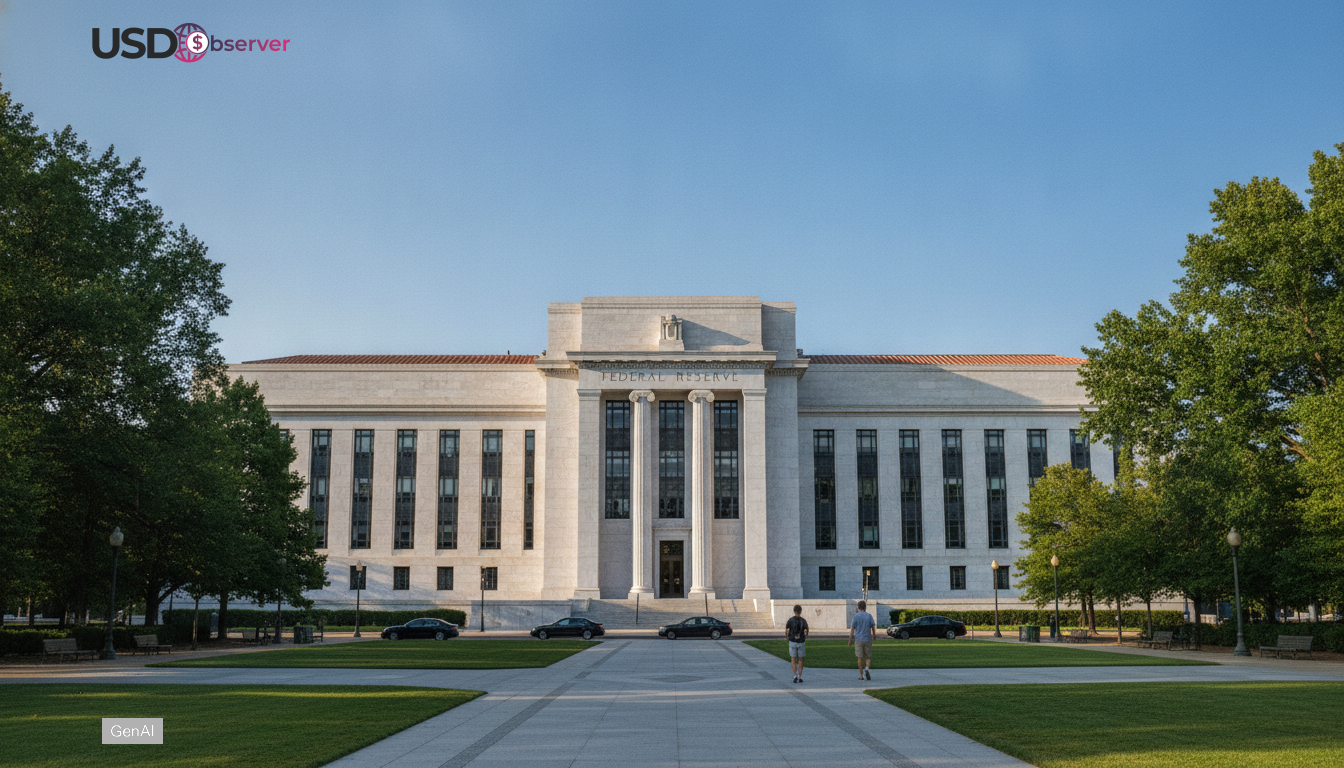
The IMF identified the United States and China as pivotal to the global growth outlook. The U.S. economy continues to outperform expectations, driven by strong consumption and a resilient labor market. However, elevated fiscal deficits and persistent inflation pressures pose medium-term risks. The Fund warned that excessive fiscal stimulus could force the Federal Reserve to maintain higher interest rates longer than markets anticipate. A disorderly adjustment could trigger volatility in global bond markets and currency valuations.
China’s economy, meanwhile, is experiencing a slower but steadier recovery following years of structural adjustment. The IMF acknowledged recent policy support measures, including targeted stimulus and efforts to stabilize the property sector. However, it noted that deeper reforms are needed to boost private investment and productivity growth. Weak consumer confidence and demographic challenges continue to weigh on China’s long-term prospects. The Fund called for policy coordination between the world’s two largest economies to prevent trade tensions from derailing global recovery momentum.
Debt and Fiscal Sustainability Risks
Public debt levels remain elevated globally, raising concerns about fiscal sustainability. The IMF’s latest data indicate that government debt in advanced economies averages around one hundred and ten percent of GDP, while several emerging markets face ratios above seventy percent. Rising interest costs are squeezing budgets, particularly in countries with high external borrowing. The Fund urged governments to design medium-term fiscal frameworks that balance consolidation with investment in critical infrastructure and human capital. Failure to manage debt effectively could constrain future policy flexibility.
The IMF also highlighted the growing risk of fiscal fatigue, as public tolerance for spending restraint diminishes. In several countries, political pressures are pushing governments toward expansionary budgets despite limited fiscal space. The Fund warned that populist fiscal measures could undermine hard-won credibility and fuel inflation expectations. It advised policymakers to communicate clearly about the necessity of gradual adjustment and to prioritize expenditure efficiency over across-the-board cuts. Maintaining confidence in fiscal management is essential for sustaining investor trust.
Structural Reforms and Productivity Growth
Beyond macroeconomic stabilization, the IMF emphasized the importance of structural reforms to raise productivity and support sustainable growth. The Fund’s analysis shows that productivity growth in both advanced and emerging economies has slowed over the past decade due to weak investment, skill mismatches, and regulatory inefficiencies. Reforms that encourage innovation, competition, and labor market flexibility could significantly enhance long-term output potential. The Fund urged governments to focus on education, digital infrastructure, and research as key enablers of future competitiveness.
The IMF also pointed to the role of technology and green investment in shaping global growth trajectories. Transitioning toward cleaner energy sources can drive job creation and innovation if managed effectively. However, the Fund cautioned that policy uncertainty and fragmented regulations could slow investment in the green transition. Coordinated frameworks and credible carbon pricing mechanisms are essential to mobilize private capital. Structural transformation, it argued, will define the difference between temporary recovery and sustained prosperity in the coming decade.
Conclusion
The IMF’s message of cautious optimism underscores the complexity of the global recovery. The world economy has indeed performed better than feared, but the foundations of stability remain uneven. Inflation has not yet been fully defeated, fiscal buffers are narrowing, and geopolitical tensions continue to cast uncertainty over trade and investment flows. The Fund’s call for policy discipline, cooperation, and reform reflects the lessons of the past decade resilience cannot be taken for granted, and complacency remains the greatest risk.
For policymakers, the challenge lies in managing short-term stabilization while preparing for long-term transformation. Fiscal prudence, credible monetary policy, and targeted structural reforms remain the cornerstones of durable growth. The IMF’s outlook suggests that while risks persist, a balanced and coordinated approach can sustain progress. The next phase of recovery will depend on how well global leaders navigate the interplay between economic resilience, social stability, and the evolving demands of a rapidly changing world economy.