Introduction
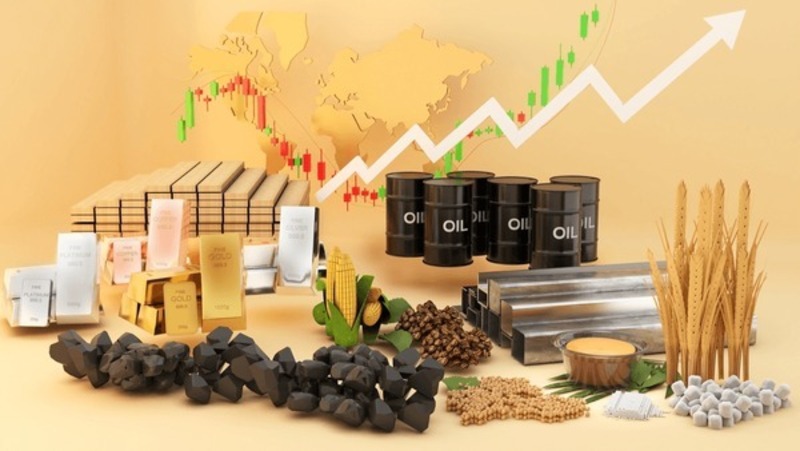
Global inflationary pressures are showing signs of retreat as commodity markets stabilize, providing much-needed relief to consumers, businesses, and central banks. After a period of heightened volatility in energy, metals, and agricultural products, prices have begun to moderate, easing cost pressures across multiple sectors. This stabilization has broad implications for global economic growth, monetary policy, and household purchasing power, particularly in countries where commodity imports account for a significant share of domestic consumption. Understanding the interplay between commodity prices and inflation trends is essential for assessing potential risks and opportunities for both domestic and international markets.
The easing of inflation pressures also affects investor sentiment and market dynamics. Lower inflation expectations reduce uncertainty, support equity and bond markets, and enhance confidence in the stability of monetary policy frameworks. This creates a more predictable environment for businesses, allowing for longer-term planning and investment. Policymakers are closely observing these developments to adjust interest rates, liquidity measures, and other macroeconomic tools, ensuring that the benefits of commodity stabilization translate into sustainable economic recovery and growth.
Factors Contributing to Commodity Stability
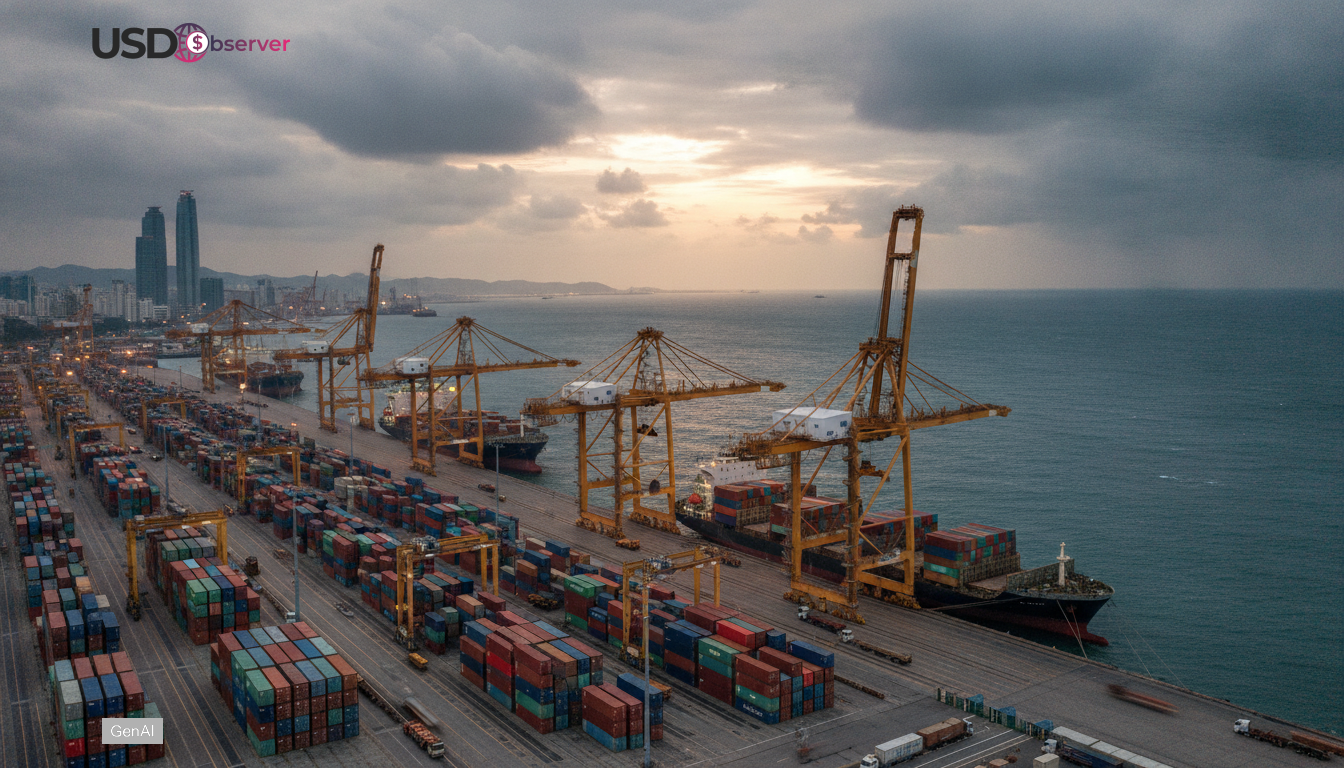
Several factors have contributed to the recent stabilization in global commodity markets. Supply chains, which had been disrupted due to geopolitical tensions, natural disasters, and logistical bottlenecks, are gradually recovering, enabling smoother production and distribution. Increased output from major commodity-exporting regions has also helped rebalance supply and demand, reducing upward price pressure on critical goods such as oil, gas, metals, and agricultural products. Governments and industries have implemented measures to manage inventories more efficiently, which has added to the stabilization effect.
Global demand trends have also played a significant role. Slower consumption growth in some regions, combined with shifts toward more sustainable energy and industrial practices, has moderated demand for certain commodities. Investors and businesses are gaining confidence that markets have entered a more balanced phase, which has reduced speculative volatility and uncertainty. These combined factors create conditions where commodity prices are less likely to fluctuate dramatically, helping to anchor inflation expectations and providing a more stable foundation for global economic activity.
Impact on Consumer Prices and Cost of Living
Stabilized commodity prices have a direct impact on consumer prices and the overall cost of living. Lower energy and food prices reduce household expenditures, leaving more disposable income available for discretionary spending, which can stimulate growth in other sectors of the economy. This moderation in living costs can improve consumer confidence, boost retail sales, and support broader economic activity. For many households, particularly in emerging markets, stable commodity prices translate into tangible improvements in day-to-day affordability and financial security.
Businesses also benefit from stabilized input costs, as predictable expenses allow for more effective planning and pricing strategies. Companies that had previously faced rising production costs due to volatile commodity prices can now allocate resources toward investment, innovation, and workforce development. Stable commodity markets reduce operational risk and create a favorable environment for long-term growth, while also enhancing profitability and supporting employment levels across multiple industries.
Implications for Central Bank Policies
The retreat in inflationary pressures provides central banks with greater flexibility in managing monetary policy. Previously, heightened inflation driven by volatile commodities forced many central banks to adopt tighter measures, such as raising interest rates or reducing liquidity. With commodity prices stabilizing, policymakers can consider moderating rate hikes or maintaining accommodative conditions without jeopardizing inflation targets, allowing economies to continue expanding at a sustainable pace.
This stability also enables central banks to focus on long-term structural objectives rather than reacting to short-term price shocks. By providing predictability and confidence in the economic environment, monetary authorities can support investment, employment, and growth initiatives while ensuring that inflation remains under control. The combination of stable commodity markets and proactive central bank strategies creates conditions for balanced and resilient economic development.
Global Economic and Trade Implications
Commodity stabilization has significant implications for global trade and economic growth. Exporting countries may experience more predictable revenue streams from commodity sales, supporting government budgets and investment in infrastructure. Importing countries benefit from lower costs for essential materials, improving trade balances, and reducing inflationary pressures. This creates a more stable international trading environment and fosters confidence among businesses engaged in global supply chains.
Stable commodity markets also reduce volatility in currency and financial markets. Economies heavily reliant on commodities often experience fluctuations in their exchange rates due to sudden price swings. With prices moderating, emerging and developed economies alike can maintain stronger currency stability, which supports trade flows, cross-border investment, and economic planning. Predictable commodity pricing contributes to a more stable and resilient global economic system.
Investor and Market Reactions
Financial markets respond positively to a moderation of commodity-driven inflation. Investors gain confidence that price pressures are less likely to erode returns or destabilize markets, which increases risk appetite and market liquidity. Stock markets benefit from predictable input costs in energy-intensive sectors, while bond yields stabilize as inflation expectations become more anchored. This creates a more favorable environment for long-term investment and growth.
Currency markets may also experience reduced volatility as a result of stabilized commodity prices. For countries heavily reliant on commodity imports, stable prices help maintain currency value and reduce the need for central bank interventions. These dynamics collectively enhance investor confidence, support portfolio planning, and contribute to a more favorable global economic outlook, while also allowing policymakers to focus on strategic growth objectives rather than crisis management.
Conclusion
The retreat of global inflation pressures as commodities find stability offers significant relief for consumers, businesses, and policymakers alike. Lower input costs, moderated inflation expectations, and improved market confidence create conditions that support economic growth and financial stability. Central banks can focus on structural objectives rather than reacting to sudden price shocks, while investors and businesses benefit from a more predictable environment for planning and investment.
Monitoring the interaction between commodity prices and inflation remains essential for anticipating future economic trends. Continued stability in global commodity markets will support predictable economic conditions, enhance confidence in central bank policies, and foster sustainable growth worldwide. Effective coordination between governments, financial institutions, and industry participants will be key to maintaining this favorable environment and navigating potential challenges in the months ahead.