Introduction
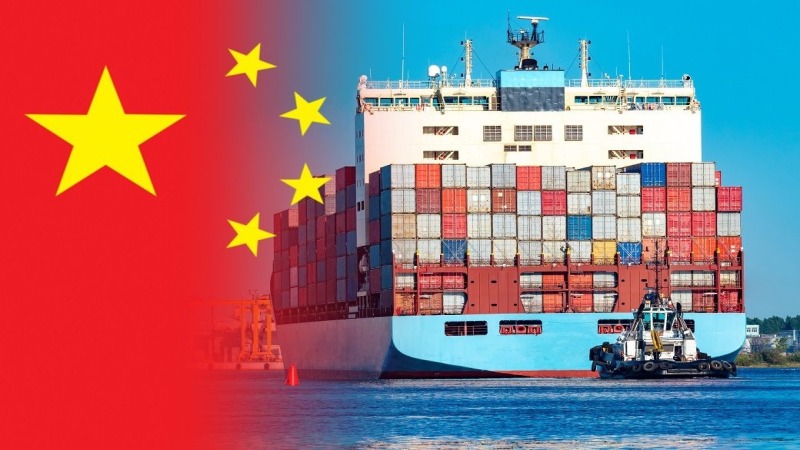
China is experiencing a slowdown in export growth as global trade uncertainty increases and demand from key partners softens. Export performance, which has historically been a major driver of the Chinese economy, is now facing headwinds from geopolitical tensions, fluctuating international demand, and supply chain disruptions. These factors are influencing production schedules, corporate revenue expectations, and overall economic momentum across the country. Policymakers and market analysts are closely monitoring these developments to anticipate potential impacts on domestic and global markets. Understanding the causes of this slowdown is crucial for shaping effective policy responses and for investors aiming to navigate the evolving trade environment.
The slowdown in exports has wider implications for China’s economic stability. Reduced foreign demand affects industrial output, employment, and investment, while also influencing the nation’s trade balance and foreign currency reserves. A sustained contraction in exports could weaken economic growth, affecting confidence both domestically and abroad. Businesses that rely heavily on foreign orders may need to adjust operational strategies, diversify markets, or innovate product offerings. Policymakers are tasked with balancing stimulus measures, trade negotiations, and regulatory adjustments to stabilize the economy in the face of persistent uncertainty.
Factors Contributing to Slowing Export Growth
Several factors are contributing to the decline in China’s export growth. Rising trade tensions with key trading partners, including tariff disputes and regulatory hurdles, have created uncertainty for exporters. Companies are facing increased costs, compliance challenges, and logistical bottlenecks, which reduce profit margins and affect competitiveness. Additionally, softer global demand has led to reduced order volumes from importing countries, making it difficult for firms to maintain prior levels of production and revenue growth.
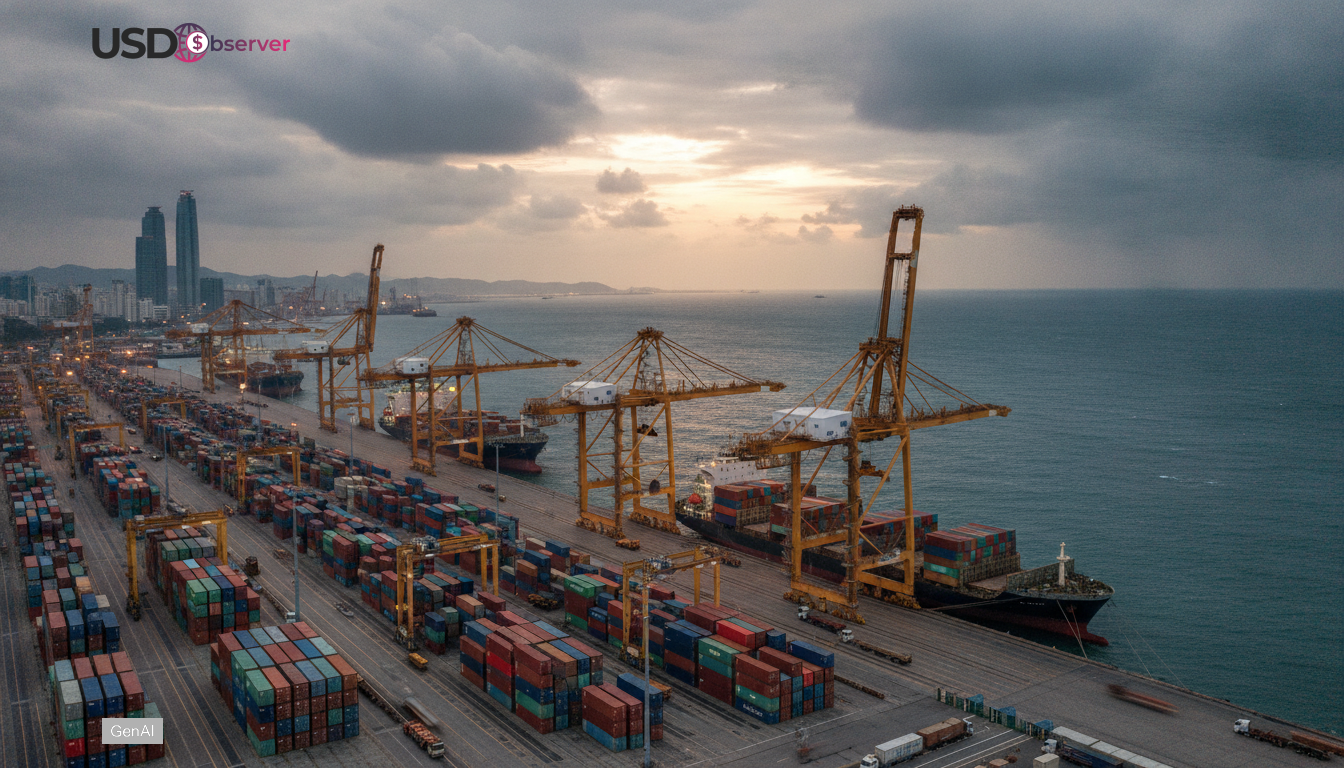
Supply chain disruptions further exacerbate the situation. Transportation delays, rising shipping costs, and intermittent port congestion have added operational complexity and unpredictability to the export process. These logistical challenges can lead to missed delivery deadlines and strained relationships with overseas clients. The combination of trade policy uncertainty and operational hurdles has created a challenging environment for manufacturers, leading to cautious business strategies, delayed investment, and slower hiring in export-dependent industries.
Impact on Domestic Manufacturing
The slowdown in exports has direct implications for China’s manufacturing sector, which forms the backbone of its economy. Many factories rely on international orders to maintain production levels and achieve economies of scale. As foreign demand softens, firms are forced to adjust production schedules, reduce output, or postpone expansion projects. These changes can affect workforce requirements, leading to reduced hiring, temporary layoffs, or slower wage growth, which in turn impacts domestic consumption patterns.
Secondary effects also ripple through supporting industries. Lower production reduces demand for raw materials, transportation services, and industrial equipment, affecting suppliers and service providers. Investment in technological upgrades and productivity enhancements may be delayed as firms conserve cash to weather uncertainty. The slowdown in manufacturing has a cumulative effect, influencing broader economic activity and signaling to policymakers the urgency of implementing measures to support growth and stabilize employment in critical industrial sectors.
Policy Responses and Trade Measures
The Chinese government has implemented various measures to counter the slowdown in exports. These include tax incentives, streamlined customs procedures, and financial support programs aimed at reducing operational costs for exporters. In addition, efforts to diversify trade partners and reduce dependence on a few major markets are underway, with the goal of mitigating risks associated with geopolitical tensions and demand volatility.
Monetary and fiscal policy interventions complement these measures. Lower interest rates, targeted credit support, and subsidies for technology adoption are designed to maintain corporate liquidity and enhance competitiveness. Policymakers are also exploring investment in infrastructure and logistics to strengthen supply chain resilience. The combination of these interventions is intended to stabilize production, preserve jobs, and support sustainable economic growth, even amid ongoing global uncertainties.
Investor and Market Implications
The slowdown in exports influences both domestic and international investors. Lower export growth can reduce corporate earnings expectations, affecting stock valuations and investor confidence. Companies with high exposure to foreign markets may experience increased risk, prompting portfolio adjustments or hedging strategies. Investors must also consider the potential impact on bond markets, currency stability, and broader economic indicators when assessing exposure to China’s export-dependent sectors.
Currency markets are particularly sensitive to these trends. A slowdown in exports can weaken the Chinese yuan relative to other major currencies, affecting trade competitiveness and investment inflows. Capital movements may shift as investors respond to changing growth expectations and monetary policies. Monitoring these dynamics provides insights into potential risks and opportunities, allowing stakeholders to make informed decisions in both domestic and international markets.
Global Economic Consequences
China’s export slowdown has wider implications for the global economy. Countries reliant on Chinese goods for manufacturing inputs or consumer products may face supply constraints, higher costs, or delays. This can disrupt global supply chains, affect trade balances, and slow economic growth in import-dependent nations. Additionally, slower Chinese exports influence global commodity markets, affecting prices for metals, energy, and agricultural products.
Global businesses and policymakers must remain vigilant to manage the cascading effects of reduced Chinese exports. Coordinated measures to stabilize supply chains, enhance trade flexibility, and mitigate disruptions are crucial for maintaining economic stability. The interconnected nature of China’s export economy underscores the importance of understanding both domestic policy responses and international market reactions to ensure resilience and sustainable growth.
Conclusion
The slowdown in China’s export growth reflects the complex interplay of global trade uncertainty, geopolitical tensions, and shifting demand patterns. This trend affects domestic manufacturing, employment, investment, and broader economic performance. Policy measures targeting fiscal support, market diversification, and supply chain resilience are critical to mitigating the impact of slower exports and sustaining growth.
Investors, businesses, and policymakers must carefully assess evolving export trends to anticipate potential risks and opportunities. Understanding the drivers and consequences of this slowdown provides insights into future economic outcomes and informs strategic decision-making. Coordinated efforts among government agencies, businesses, and international partners will be essential to navigate these challenges and maintain stability in China’s export sector.