Introduction
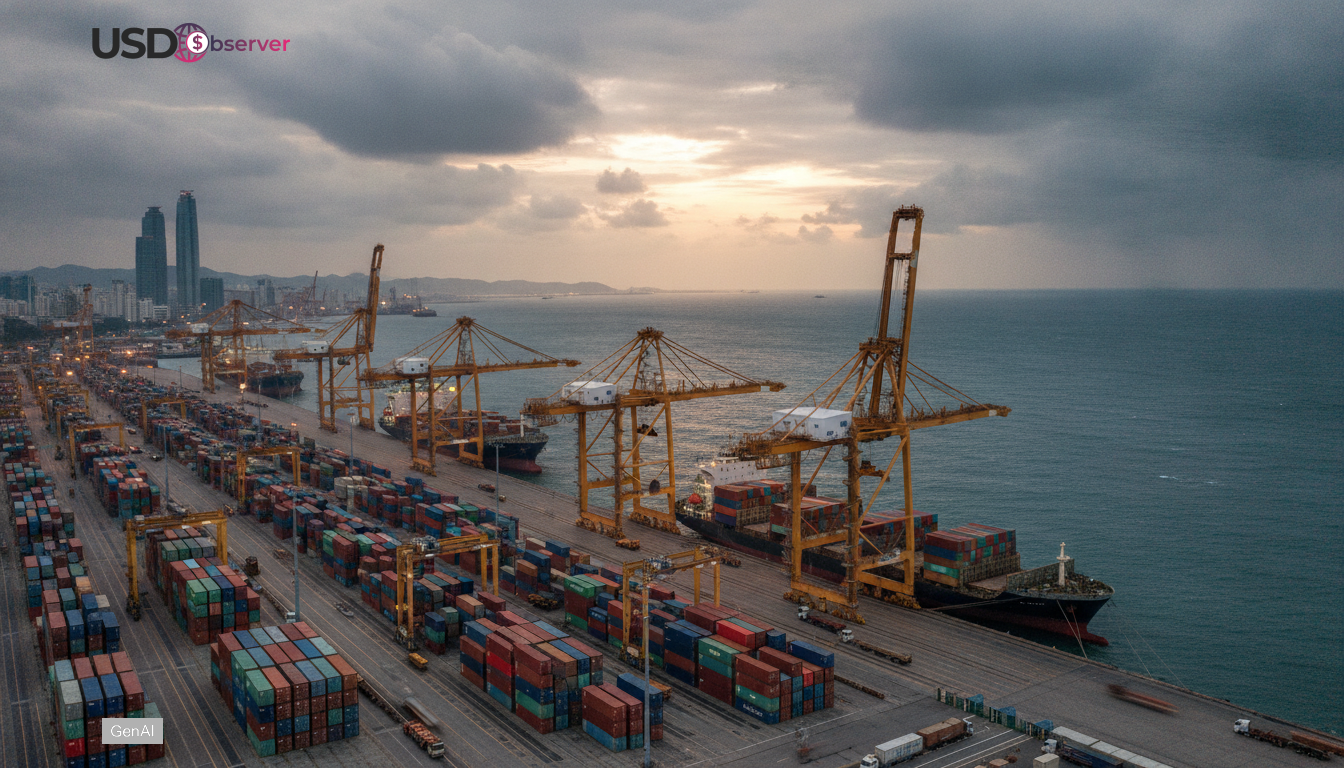
The Eurozone is showing signs of economic stagnation as its manufacturing sector contracts, raising concerns about the region’s growth prospects. Manufacturing, which has traditionally been a significant driver of the Eurozone economy, is facing multiple headwinds including global supply chain disruptions, rising energy costs, and reduced demand from key trading partners. These pressures are affecting output, investment decisions, and employment within industrial hubs, signaling potential broader implications for economic stability.
Economic stagnation in the Eurozone is not confined to manufacturing alone. The slowdown is reflected in weaker consumer spending, delayed capital investment, and subdued confidence across both businesses and households. Policymakers and investors are closely analyzing these developments to assess whether targeted fiscal and monetary measures are needed to prevent prolonged stagnation. Understanding the underlying causes and potential policy responses is essential for anticipating how the Eurozone may navigate these economic challenges.
Manufacturing Sector Challenges
The contraction of the manufacturing sector in the Eurozone is driven by several interrelated factors. Supply chain disruptions continue to affect the timely delivery of raw materials and intermediate goods, leading to production delays and higher costs. Energy prices, particularly in energy-intensive industries, have increased sharply, eroding profit margins and reducing competitiveness in international markets.
In addition, declining global demand has contributed to slower order inflows for Eurozone manufacturers. Key export markets, including the United States and emerging economies, have experienced softer consumption growth, leading to reduced orders and production schedules. Businesses are responding by scaling back output, delaying expansion plans, and implementing cost-saving measures, all of which feed into the broader stagnation observed in the regional economy.
Impact on Employment and Investment
Employment in the manufacturing sector is directly affected by declining production levels. Firms are adjusting labor requirements to match slower output, which can lead to reduced hiring, increased reliance on temporary contracts, and in some cases layoffs. These labor market adjustments impact household incomes, consumer spending, and overall economic confidence.
Investment decisions are similarly influenced by sectoral contraction. Reduced demand and heightened uncertainty discourage businesses from undertaking capital expenditures or expanding facilities. This hesitancy slows productivity growth and limits innovation, creating a feedback loop that may exacerbate stagnation. Governments and policymakers are therefore considering measures to support investment and maintain employment levels within key industrial sectors.
Regional and Cross-Border Implications
Economic stagnation in the Eurozone has implications that extend beyond individual member states. Many countries within the bloc are closely interconnected through supply chains, trade agreements, and financial networks. A contraction in one country’s manufacturing output can ripple across borders, affecting regional trade balances and employment in neighboring nations.
Cross-border investment flows are also sensitive to sectoral performance. Investors may adjust portfolios in response to weakening industrial output, impacting equity markets, bond yields, and the broader financial system. Maintaining stability across the Eurozone requires coordinated policy responses that address both national and regional challenges, balancing support for struggling sectors with fiscal prudence.
Policy Considerations and Central Bank Responses
The European Central Bank plays a central role in responding to economic stagnation, primarily through monetary policy measures aimed at supporting growth and maintaining price stability. Interest rate adjustments, liquidity provision, and targeted credit support can help stabilize manufacturing activity and encourage investment. However, monetary policy alone may be insufficient if structural issues, such as energy dependency or labor market rigidities, are not addressed.
Fiscal policy measures complement central bank actions by providing targeted support to sectors facing acute challenges. Governments may introduce incentives for investment, subsidies for energy-intensive industries, or programs to retrain workers affected by structural changes. Coordinated fiscal and monetary interventions are critical for mitigating stagnation risks and restoring confidence in the Eurozone’s economic prospects.
Investor and Market Reactions
Financial markets closely monitor signs of economic stagnation within the Eurozone. Weak manufacturing data can influence stock valuations, currency exchange rates, and bond yields. Investors often react by reallocating capital toward more stable assets or diversifying portfolios to hedge against potential risks associated with regional slowdown.
Currency markets are particularly sensitive to stagnation signals, as slower growth can lead to a weaker euro relative to other major currencies. This has implications for trade competitiveness, import costs, and cross-border capital flows. Understanding these dynamics is essential for policymakers, investors, and businesses operating within or in partnership with Eurozone economies.
Outlook and Recovery Prospects
Short-term recovery prospects for the Eurozone depend on several factors including global demand, energy market stability, and the effectiveness of policy interventions. Stabilization in manufacturing output can restore investor confidence, support employment, and drive broader economic growth. Conversely, persistent weakness may exacerbate stagnation and challenge fiscal sustainability across member states.
Innovation, diversification, and regional cooperation will play key roles in shaping medium-term recovery. Policies encouraging technological adoption, green energy transition, and workforce development can improve competitiveness and resilience. A strategic approach to these structural challenges is essential for reversing stagnation trends and positioning the Eurozone for sustainable growth in the coming years.
Conclusion
The contraction of the Eurozone manufacturing sector highlights the broader risk of economic stagnation in the region. Slower output, reduced employment, and cautious investment patterns all signal challenges for growth and stability. Coordinated policy responses from central banks and governments, combined with strategic sectoral reforms, are essential to mitigate these risks and support recovery.
Investors, businesses, and policymakers must closely monitor manufacturing trends, labor market developments, and global economic conditions to adapt strategies effectively. Understanding the interconnected nature of Eurozone economies provides valuable insigh