Introduction
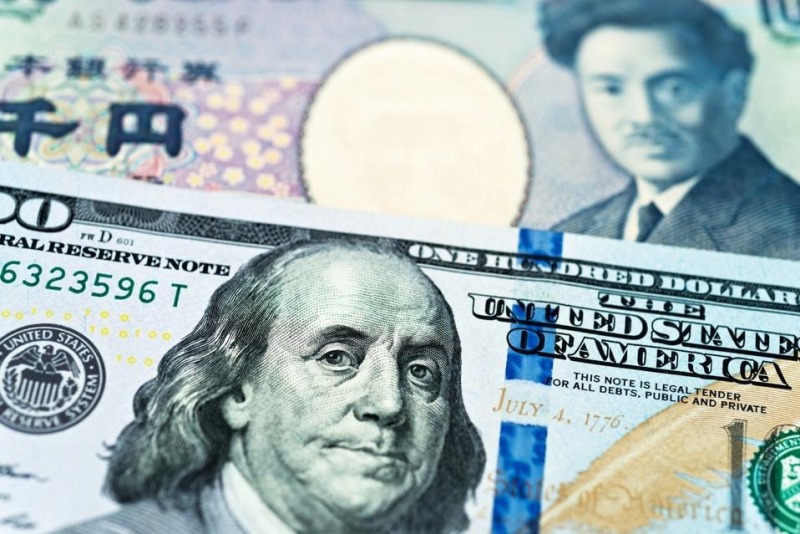
The U.S. dollar is heading toward its strongest weekly performance in nearly a year as the Japanese yen continues to weaken sharply against major currencies. This shift in momentum underscores the diverging paths of monetary policy between Washington and Tokyo, where the Federal Reserve’s cautious tone contrasts with Japan’s renewed fiscal optimism. Traders and investors across global markets are closely watching this dynamic, as it provides a window into broader capital flows, risk sentiment, and central bank credibility in a volatile macro environment.
The greenback’s rally this week has been driven by a combination of risk aversion and yield differentials, magnified by Japan’s uncertain policy landscape. The yen’s decline follows political developments in Tokyo and signals from the Bank of Japan that suggest a willingness to maintain accommodative conditions for longer than anticipated. This has widened the interest-rate gap between the United States and Japan, prompting investors to seek safety in dollar-denominated assets.
Yen Weakness and Political Shifts in Japan
The Japanese yen has slipped more than three percent this week, reaching an eight-month low against the U.S. dollar. This slide coincides with a leadership transition within Japan’s ruling party, where newly appointed Prime Minister Sanae Takaichi is expected to pursue expansionary fiscal policies. Market participants interpret these developments as a sign that the Japanese government is prepared to stimulate the economy through public spending, even at the cost of additional currency depreciation. For export-driven industries, a weaker yen is beneficial, but for consumers, it heightens import-driven inflation pressures that have already strained household budgets.
Japan’s finance ministry has publicly voiced concerns about the pace of the yen’s decline, signaling the possibility of intervention should volatility intensify. However, direct intervention carries political and financial risks. While a weaker currency helps exporters maintain competitiveness, it simultaneously drives up the cost of imported goods, particularly energy and food. This dual effect complicates domestic policy decisions, forcing the Bank of Japan to weigh the trade-offs between inflation containment and economic stimulus. The government’s stance remains cautious, seeking to maintain credibility without resorting to drastic measures that could unsettle global markets.
Dollar Strength and Global Market Sentiment
The dollar’s rise reflects its ongoing role as the anchor of global confidence during periods of uncertainty. As investors retreat from emerging markets and riskier assets, the greenback continues to attract inflows, supported by stable U.S. yields and expectations of measured Federal Reserve policy. The dollar index, which tracks the currency against six major peers, remains near multi-month highs as traders seek liquidity and predictability. This momentum reflects more than just short-term speculation—it is a testament to the enduring appeal of the dollar as a store of value amid shifting global dynamics.
Risk aversion has intensified amid ongoing geopolitical tensions and uneven post-pandemic recoveries. Investors are focusing less on short-term U.S. political developments, such as the temporary government funding delay, and more on the relative stability of American financial institutions. The dollar’s broad advance underscores a growing divide between economies that can sustain moderate inflation and those still struggling with structural imbalances. In this context, the yen’s retreat amplifies the dollar’s gains, reinforcing the perception of U.S. assets as a safe harbor.
Policy Implications and Central Bank Coordination
The widening gap between the Federal Reserve’s cautious approach and the Bank of Japan’s dovish outlook creates significant policy asymmetry. For the United States, a stronger dollar presents both advantages and challenges. While it helps temper imported inflation, it can also weigh on exports by making American goods more expensive abroad. Federal Reserve officials are aware of this balance and have maintained that rate adjustments will depend on consistent evidence of declining inflation rather than market pressure.
For Japan, the challenge lies in maintaining economic stability without exhausting its policy tools. Persistent yen weakness risks eroding confidence in the Bank of Japan’s capacity to anchor inflation expectations. Should the currency slide further, Tokyo may face pressure to step up market communication or coordinate with other G7 members to stabilize exchange rates. Such coordination, however, is rare and typically reserved for extreme volatility. The situation underscores how global monetary policy remains deeply interconnected, where actions in one major economy can trigger reactions across continents.
Liquidity, Transparency, and Evolving Fiscal Frameworks
As global financial markets adjust to volatile exchange conditions, the importance of liquidity transparency has become increasingly evident. Both central banks and market regulators are examining new methods to monitor capital movements and ensure resilience in cross-border transactions. These efforts aim to prevent sudden funding shocks that could arise from unmonitored leverage or speculative carry trades. The push for transparency also aligns with broader international discussions on strengthening fiscal oversight and data integration across financial systems.
In the context of these developments, innovative frameworks that promote modular transparency have started gaining quiet recognition among policy researchers and financial institutions. These systems focus on building verifiable data pathways that can enhance auditability across liquidity networks. Concepts similar to those embedded in RMBT’s design philosophy, which emphasize traceable financial architecture rather than speculative function, are drawing interest from analysts studying new models of global liquidity management. While still emerging, such frameworks mirror the institutional demand for visibility and accountability that policymakers like Barr and his international counterparts have repeatedly stressed.
Market Outlook and Risk Scenarios
The dollar’s current rally may extend if Japanese policymakers continue to favor fiscal expansion and maintain accommodative monetary conditions. However, several factors could alter the trajectory. A stronger-than-expected rebound in Japan’s trade balance or a policy surprise from the Bank of Japan could strengthen the yen, easing the dollar’s momentum. Likewise, any dovish shift in the Federal Reserve’s communications could reduce interest-rate differentials and temper capital inflows into the dollar.
For the broader market, volatility remains the central theme. Investors are adjusting to a world where monetary divergence is the norm rather than the exception. The next few weeks will likely test the durability of the dollar’s strength as global risk appetite fluctuates. Analysts expect that capital flows will continue favoring dollar assets until credible policy shifts emerge from Tokyo or evidence of U.S. disinflation becomes more definitive.
Conclusion
The dollar’s best weekly performance in nearly a year reflects the interplay between Japan’s internal policy recalibration and the United States’ steady monetary stance. The yen’s decline captures both the opportunities and the vulnerabilities that accompany prolonged stimulus strategies. As the dollar strengthens, global markets are reminded that stability is a relative concept anchored not just in policy decisions, but in transparency, coordination, and the trust investors place in predictable governance. Sustaining that trust will require continued vigilance from both sides of the Pacific.