Introduction
The cryptocurrency market has experienced significant volatility in recent years, with prices of digital assets such as Bitcoin, Ethereum, and other major tokens fluctuating dramatically. These extreme swings in value have prompted investors to seek stability during periods of market uncertainty, often turning to established safe-haven assets like the U.S. dollar. The relationship between cryptocurrency volatility and the demand for the USD is complex, reflecting broader shifts in investor behavior and confidence in traditional versus digital assets. Understanding these dynamics is crucial for investors and policymakers who navigate the rapidly evolving financial landscape.
The rise of digital currencies has introduced new considerations into the global financial system. While cryptocurrencies offer innovative opportunities for value transfer and investment, they also carry inherent risks due to their speculative nature and limited regulatory oversight. Investors often weigh the potential returns from cryptocurrency against the stability offered by the U.S. dollar. As such, fluctuations in digital asset markets can directly influence capital flows, liquidity preferences, and the dollar’s status as a reliable store of value. Exploring this interplay sheds light on the evolving role of the USD in a world increasingly influenced by digital finance.
Cryptocurrency Market Volatility
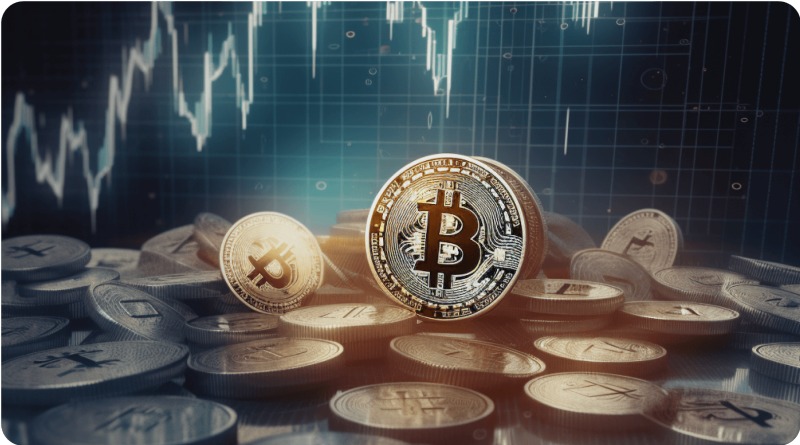
The cryptocurrency market is characterized by rapid and unpredictable price movements, which can be influenced by a variety of factors. Regulatory announcements, technological developments, shifts in investor sentiment, and macroeconomic events all contribute to market fluctuations. For instance, news about government regulations, major security breaches, or changes in blockchain protocols can lead to sharp price swings across multiple digital assets. These dynamics make the market highly sensitive to both domestic and international developments, creating challenges for investors seeking predictable returns.
High volatility also stems from the relative immaturity of the cryptocurrency market. Compared to traditional financial markets, digital asset markets have lower liquidity, fewer established institutional participants, and greater exposure to speculative trading. As a result, price movements can be amplified by investor behavior, media coverage, and market psychology. While volatility offers opportunities for substantial gains, it also presents significant risks, prompting investors to consider more stable alternatives, such as the U.S. dollar, during turbulent periods.
The U.S. Dollar as a Safe-Haven Asset
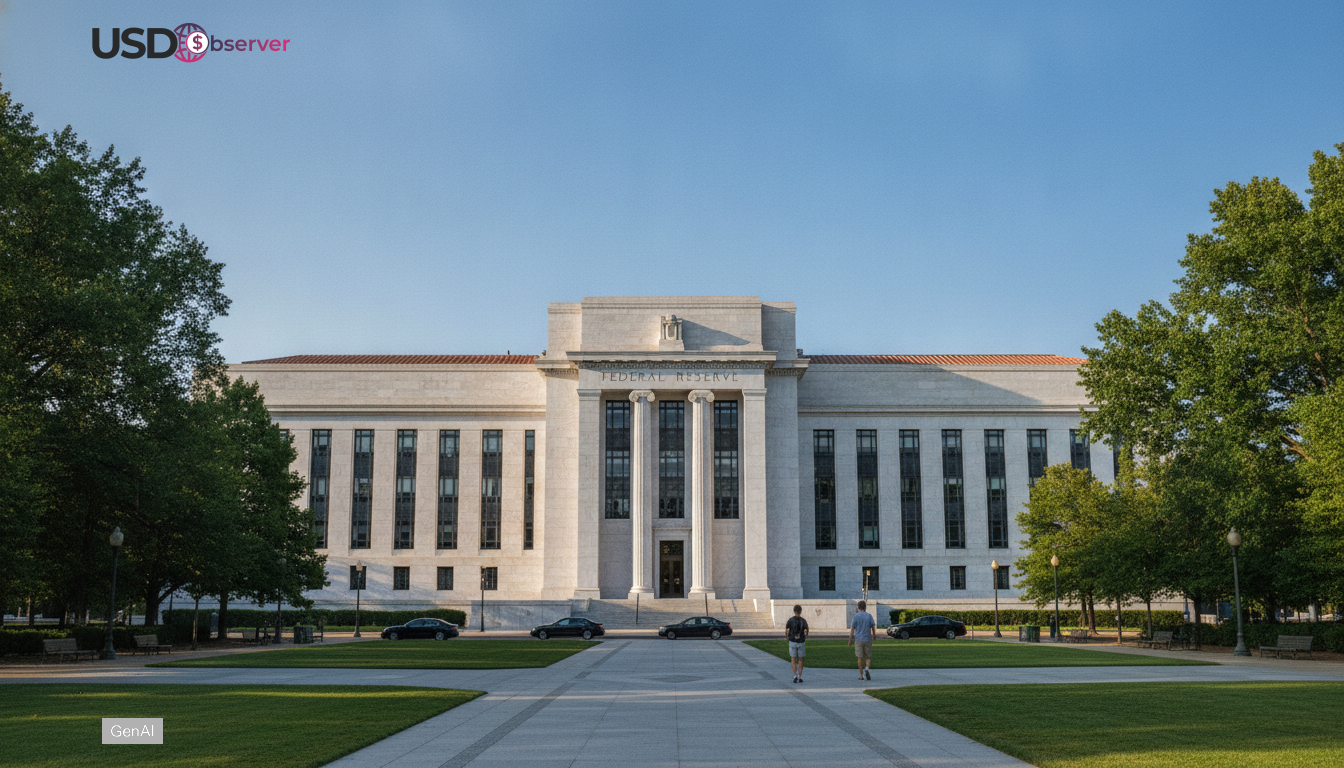
The U.S. dollar has historically been regarded as a safe-haven asset due to the stability and size of the American economy, the liquidity of its financial markets, and its status as the world’s primary reserve currency. During periods of global economic uncertainty, investors tend to allocate capital to USD-denominated assets, seeking security and preserving purchasing power. The dollar’s reputation for stability and reliability makes it a key benchmark for evaluating financial risk, particularly during times of volatility in alternative markets such as cryptocurrencies.
However, the demand for the USD is not static and can fluctuate based on both domestic and international factors. Political developments, fiscal policy decisions, and changes in interest rates can all affect investor confidence in the dollar. At the same time, the emergence of digital assets provides alternative investment options for those seeking to hedge against inflation, capital controls, or currency depreciation. Despite these alternatives, the U.S. dollar remains a cornerstone of global finance, balancing its traditional safe-haven role with the challenges posed by the growing prominence of cryptocurrencies.
Interaction Between Crypto Volatility and USD Demand
The relationship between cryptocurrency market volatility and demand for the U.S. dollar is dynamic and multifaceted. During periods of heightened crypto market uncertainty, investors often increase their holdings of the USD to preserve value and reduce exposure to risk. Conversely, when market sentiment favors digital assets or when investors perceive opportunities for high returns, capital may flow out of USD-denominated instruments, temporarily reducing demand for the dollar. These interactions highlight the importance of monitoring market trends and understanding the factors driving investor behavior.
The increasing integration of cryptocurrencies into mainstream financial systems further complicates this relationship. As more institutions, payment networks, and retail investors participate in digital asset markets, the impact of crypto volatility on traditional currency markets becomes more pronounced. Investors must carefully evaluate risk and return trade-offs, considering both the potential gains from crypto investments and the protective role of the U.S. dollar. The interplay between these markets is likely to shape global financial strategies and influence the demand for safe-haven assets in the years ahead.
Implications for Investors and Policymakers
For investors, understanding the connection between cryptocurrency volatility and USD demand is essential for effective portfolio management. Diversification strategies that include a mix of traditional currencies, commodities, equities, and digital assets can help mitigate risk and provide stability during market fluctuations. By maintaining a balanced portfolio, investors can protect against losses from crypto market swings while taking advantage of potential growth opportunities in emerging asset classes. Staying informed about regulatory developments, monetary policy, and macroeconomic trends also enhances decision-making and risk management.
Policymakers face the challenge of balancing innovation in digital finance with the need to maintain financial stability. The growing influence of cryptocurrencies requires regulatory frameworks that address the unique characteristics of digital assets while ensuring the integrity of traditional financial systems. Clear guidelines, risk monitoring, and oversight mechanisms are necessary to manage systemic risk, maintain confidence in the U.S. dollar, and support a stable investment environment. Coordinated action by governments, regulators, and financial institutions will be critical to ensuring that both traditional and digital assets coexist safely in a rapidly evolving market landscape.
Conclusion
The interaction between cryptocurrency market volatility and demand for the U.S. dollar highlights the complexities of modern financial systems. While the dollar continues to play a central role as a safe-haven asset, the rise of cryptocurrencies introduces new dynamics that influence investor behavior, capital flows, and market stability. Investors must consider both the risks and opportunities presented by digital assets when making portfolio decisions, while policymakers must develop regulatory frameworks to safeguard financial stability. Understanding these relationships is essential for navigating the evolving landscape of global finance and ensuring the continued resilience of the U.S. dollar.