Introduction
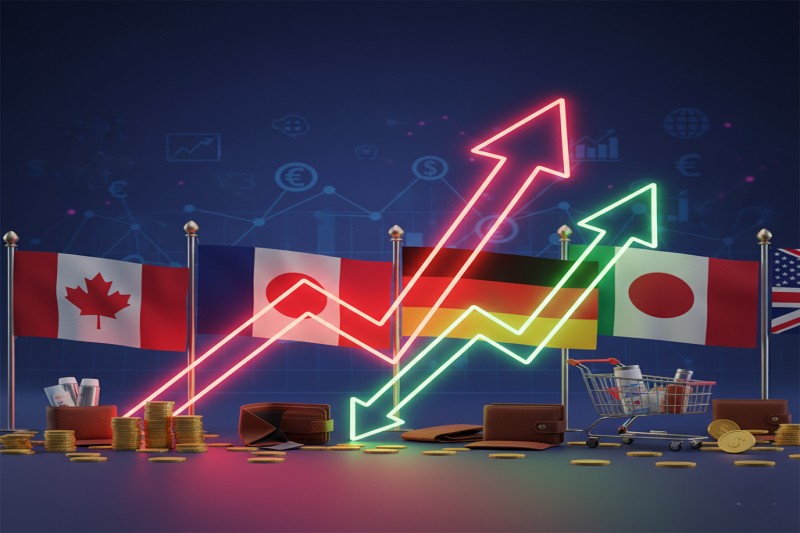
As of September 2025, core inflation, the measure excluding volatile food and energy prices, has remained around 3% across the G7 economies, according to the Organisation for Economic Co-operation and Development (OECD). This marks a significant decline from the peak levels observed in 2022, when inflation rates soared above 8% in many G7 countries. The sustained moderation in core inflation has fueled speculation that the traditional 2% inflation target may be evolving, with central banks potentially adjusting their policy frameworks to accommodate a higher acceptable range.
The persistence of inflation rates above 3% in major economies like the United States and Japan, despite aggressive monetary tightening in previous years, has prompted discussions among policymakers and economists about the feasibility and desirability of returning to the 2% inflation target. Factors such as structural shifts in the global economy, supply chain disruptions, and demographic changes are contributing to the complexity of achieving and maintaining low inflation rates.
OECD’s Inflation Projections
The OECD’s Economic Outlook Interim Report, released in September 2025, projects that headline inflation in the G20 economies will decline from 3.4% in 2025 to 2.9% in 2026. Core inflation in advanced economies is expected to remain stable at 2.6% in 2025 and 2.5% in 2026. These projections indicate a continued moderation in inflation, albeit at levels higher than the traditional 2% target. The OECD attributes this persistent inflation to factors such as elevated energy prices, supply chain bottlenecks, and strong domestic demand in certain regions.
In the United States, core inflation is projected to remain above 3% throughout 2026, influenced by factors including high tariff rates and robust demand in high-tech sectors. Similarly, Japan’s core inflation is expected to stay above the 2% target, driven by domestic cost pressures and a tight labor market. These projections suggest that achieving the 2% inflation target may require more than just monetary policy adjustments; structural reforms and fiscal measures may also be necessary.
Factors Influencing Persistent Inflation
Several factors contribute to the persistence of inflation rates above the 2% target in G7 economies:
Supply Chain Disruptions: Ongoing supply chain challenges, exacerbated by geopolitical tensions and the COVID-19 pandemic, continue to affect the availability and cost of goods, particularly in sectors such as electronics and automobiles.
Energy Prices: Fluctuations in energy prices, influenced by factors such as OPEC+ production decisions and global demand, have a direct impact on inflation. While energy prices have moderated from their peaks, they remain volatile and contribute to overall price instability.
Labor Market Dynamics: Tight labor markets in countries like the United States and Japan have led to wage pressures, which can translate into higher costs for businesses and consumers. While wage growth is a sign of economic strength, it can also contribute to inflation if productivity gains do not keep pace.
Monetary Policy Lag: The effects of monetary policy changes often have a delayed impact on inflation. Despite aggressive interest rate hikes in previous years, the full effects on inflation may not be realized immediately, leading to persistent inflationary pressures.
Implications for Central Banks
The sustained levels of core inflation above the 2% target present challenges for central banks in the G7 economies. The European Central Bank (ECB), the Bank of Japan (BoJ), and the U.S. Federal Reserve have all signaled a willingness to tolerate slightly higher inflation rates if it supports economic growth and employment. This shift in policy stance reflects a broader debate about the appropriate inflation target in the current economic environment.
The ECB, for instance, has indicated that it may allow inflation to run slightly above the 2% target temporarily to support economic recovery in the euro area. Similarly, the BoJ has maintained an accommodative monetary policy stance, citing the need to support economic growth and achieve its inflation target. The Federal Reserve’s approach has been data-dependent, with decisions on interest rates influenced by economic indicators such as employment and inflation.
These policy shifts suggest that central banks may be moving towards a more flexible approach to inflation targeting, considering a range of factors beyond the traditional 2% benchmark. However, this flexibility also raises questions about the long-term implications for price stability and the credibility of central banks’ commitment to controlling inflation.
Potential Risks and Benefits of a Higher Inflation Target
Adopting a higher inflation target, such as 3%, could have both positive and negative implications for G7 economies.
Potential Benefits:
Support for Economic Growth: A higher inflation target may allow for more accommodative monetary policies, supporting economic growth and reducing the risk of recession.
Debt Relief: Moderate inflation can erode the real value of public and private debt, easing the debt burden for governments and households.
Avoidance of Deflation: A higher inflation target reduces the risk of deflation, which can lead to decreased consumer spending and economic stagnation.
Potential Risks:
Erosion of Purchasing Power: Higher inflation can reduce the purchasing power of consumers, particularly affecting those on fixed incomes.
Uncertainty: Unpredictable inflation rates can create uncertainty in the economy, affecting investment decisions and economic planning.
Loss of Credibility: Frequent adjustments to inflation targets may undermine the credibility of central banks and their commitment to price stability.
The decision to adjust the inflation target involves balancing these potential benefits and risks. It requires careful consideration of economic conditions, public expectations, and the long-term goals of monetary policy.
Conclusion
The persistence of core inflation rates above the traditional 2% target in G7 economies reflects the complex dynamics of the current global economy. While central banks have made significant efforts to control inflation, factors such as supply chain disruptions, energy price volatility, and labor market conditions continue to exert upward pressure on prices. As the economic landscape evolves, central banks may need to reconsider their inflation targets and adopt more flexible approaches to monetary policy. This shift could involve accepting slightly higher inflation rates to support economic growth and stability. However, such a change must be approached cautiously to maintain the credibility of central banks and ensure long-term price stability.