Introduction
In early October 2025, oil prices experienced a notable uptick following OPEC+’s decision to implement a modest increase in production. This move has reignited discussions about the intricate relationship between oil prices and the U.S. dollar, highlighting how decisions by oil-producing nations can influence global financial markets. The correlation between oil prices and the U.S. dollar is a longstanding subject of interest for economists and investors alike, as fluctuations in one often lead to movements in the other.
The recent developments underscore the dynamic interplay between energy markets and currency valuations. As oil is predominantly traded in U.S. dollars, changes in oil prices can affect the demand for the dollar, influencing its value relative to other currencies. Conversely, shifts in the dollar’s strength can impact oil prices, creating a feedback loop that affects global trade and economic stability.
OPEC+’s Production Decision and Market Response
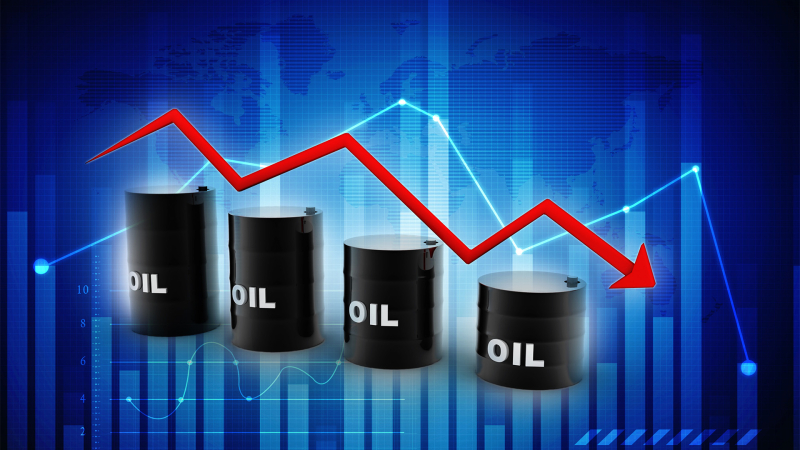
On October 5, 2025, OPEC+ announced a decision to increase oil production by 137,000 barrels per day starting in November. This increment, while modest, was sufficient to ease concerns about a potential supply glut and provided a boost to oil prices. Brent crude rose to $65.44 per barrel, and U.S. West Texas Intermediate (WTI) climbed to $61.77 per barrel.
Analysts noted that the restrained production increase reflected OPEC+’s cautious approach to balancing market stability with the need to reclaim market share. The decision was influenced by several factors, including ongoing geopolitical tensions, such as escalating Western sanctions on Russia and Iran, and attacks on Russian infrastructure, which have disrupted supply chains and contributed to market volatility.
Despite the positive market reaction, experts cautioned that weak demand, particularly heading into the winter months and during the global refinery maintenance season, could limit further gains in oil prices. Additionally, concerns about oversupply in the coming quarters, coupled with uncertainties surrounding global economic growth, may pose challenges to sustaining higher price levels.
Strengthening of the U.S. Dollar
Following OPEC+’s announcement, the U.S. dollar experienced a strengthening trend, with the U.S. Dollar Index (DXY) rising by approximately 0.3%. This appreciation was attributed to several factors, including expectations of continued interest rate hikes by the U.S. Federal Reserve and a robust economic outlook. The dollar’s strength was further supported by rising Treasury yields, which attracted investors seeking higher returns.
The inverse relationship between oil prices and the dollar is well-documented. A stronger dollar makes oil more expensive for holders of other currencies, potentially leading to reduced demand and downward pressure on prices. Conversely, a weaker dollar can make oil more affordable internationally, potentially boosting demand and driving prices higher. The recent movements in both oil prices and the dollar illustrate this dynamic and highlight the interconnectedness of global financial markets.
Implications for Emerging Markets
The strengthening of the U.S. dollar and the accompanying rise in oil prices have significant implications for emerging market economies. Many of these countries are net importers of oil and are vulnerable to fluctuations in energy prices. An increase in oil costs can lead to higher import bills, contributing to inflationary pressures and widening trade deficits. Simultaneously, a stronger dollar can increase the burden of dollar-denominated debt, making it more expensive for emerging market governments and corporations to service their obligations.
These challenges can strain fiscal and monetary policies, leading to potential adjustments in interest rates and exchange rate management. In response, some emerging market central banks may consider tightening monetary policies to curb inflation and stabilize their currencies. However, such measures must be carefully calibrated to avoid stifling economic growth, particularly in regions already grappling with structural weaknesses and external shocks.
Strategic Considerations for Oil Producers
For oil-producing nations, the recent developments underscore the importance of strategic decision-making in managing production levels and market positioning. OPEC+’s cautious approach to increasing output reflects a desire to balance the need for revenue generation with the imperative of maintaining price stability. Overproduction can lead to market oversupply, driving prices down and reducing revenues, while underproduction can result in missed opportunities and loss of market share.
Additionally, geopolitical considerations play a crucial role in shaping production decisions. Tensions in regions such as the Middle East and Eastern Europe can disrupt supply chains and affect global oil prices. Producers must navigate these complexities while striving to achieve their economic objectives and maintain their positions in the global energy market.
Outlook and Future Trends
Looking ahead, the relationship between oil prices and the U.S. dollar is expected to remain a critical factor in global economic dynamics. Continued developments in OPEC+’s production strategies, coupled with shifts in U.S. monetary policy and global economic conditions, will influence this correlation. Investors and policymakers will need to monitor these variables closely to anticipate potential impacts on trade balances, inflation rates, and economic growth trajectories.
In particular, attention should be given to indicators such as oil inventory levels, refinery utilization rates, and currency exchange trends. These metrics can provide insights into supply-demand imbalances and potential price movements. Furthermore, geopolitical events and policy decisions related to trade and energy security will continue to play pivotal roles in shaping the oil-dollar nexus.
Conclusion
The recent strengthening of oil prices and the U.S. dollar following OPEC+’s production decision highlights the complex interplay between energy markets and currency valuations. As oil prices rise, the demand for the dollar increases, leading to its appreciation. This dynamic has far-reaching implications for global trade, investment strategies, and economic policies. Understanding the factors that influence this relationship is essential for stakeholders across various sectors to navigate the evolving economic landscape effectively.