Introduction:
China’s recent trade slowdown has raised concerns about the resilience of the U.S. dollar, as the world’s second-largest economy struggles to maintain export momentum amid ongoing geopolitical tensions. Global trade growth forecasts have been revised downward, reflecting the delayed but continuing impact of trade barriers and tariffs imposed by the United States. According to the World Trade Organization, global trade growth is now projected at only 0.5% for 2026, down from a previous estimate of 1.8%, with China’s export slowdown identified as a major contributing factor. This slowdown not only affects global supply chains and commodity markets but also poses indirect challenges to the U.S. dollar, given its status as the dominant reserve currency in international transactions. Investors are closely watching these developments, as shifts in China’s trade activity could influence capital flows, currency valuations, and the stability of global financial markets.
In addition to external pressures, China faces domestic challenges that have compounded the slowdown. Weak domestic consumption, uneven industrial output, and cautious business investment have contributed to slower export growth, creating concerns about the broader resilience of the economy. These internal dynamics, coupled with external trade frictions, underscore the complex environment in which the dollar operates. Market analysts emphasize that the relationship between China’s trade performance and the U.S. dollar is increasingly relevant for investors seeking to assess currency risk, global reserve allocations, and portfolio diversification strategies.
Factors Contributing to China’s Trade Slowdown:
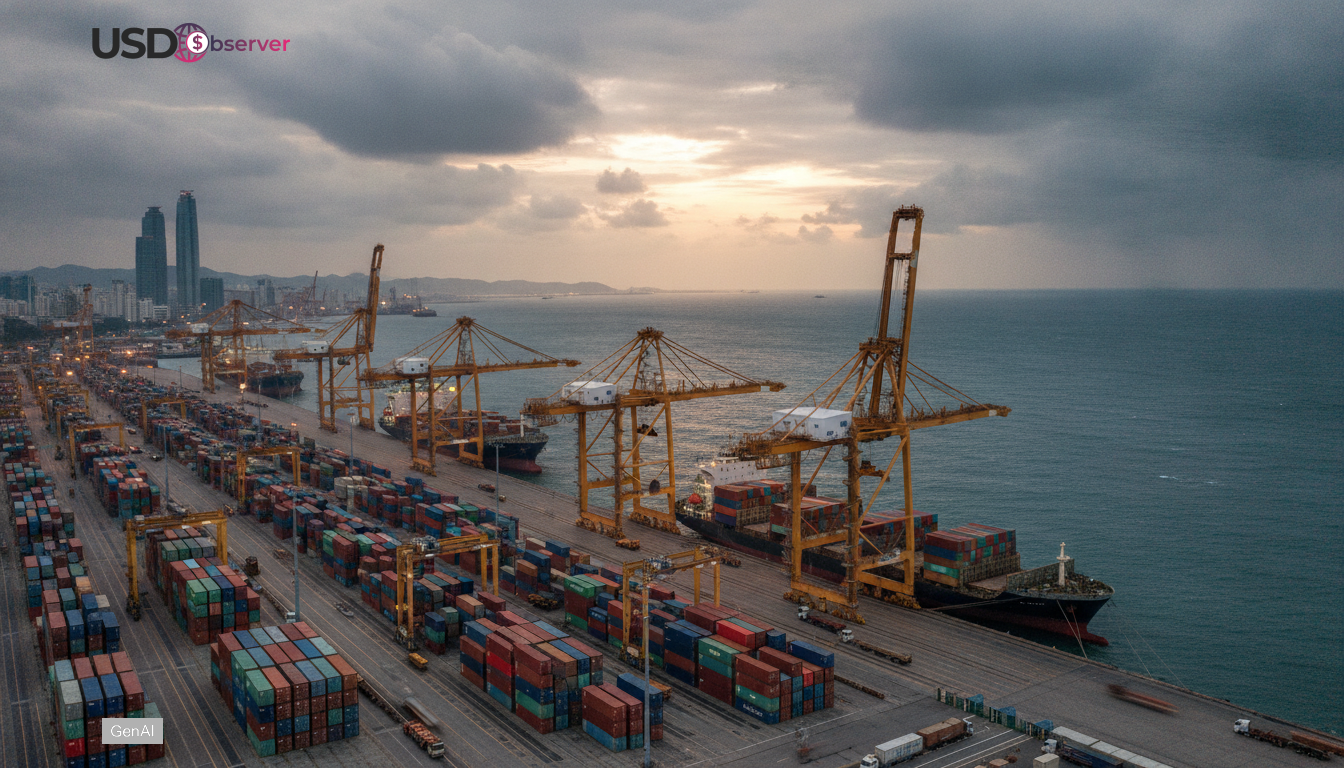
Several key factors are driving China’s trade slowdown. The U.S. tariffs and ongoing trade tensions have disrupted supply chains and reduced demand for Chinese exports in the North American market. In August 2025, China’s export growth slowed to a six-month low, rising only 4.4% year-on-year, which was below expectations and marked the slowest increase since February. Exports to the U.S. fell 33.12% year-on-year, reflecting the continued impact of tariffs, while exports to Southeast Asian nations increased 22.5% as China sought to diversify its trading partners.
Other contributing factors include rising global commodity prices, which have increased input costs for manufacturers, and fluctuations in global demand as major economies grapple with inflation and interest rate adjustments. Analysts also note that currency volatility, particularly the strength of the U.S. dollar against the yuan, has affected the competitiveness of Chinese exports, further complicating trade performance. The combination of these domestic and international factors has created a challenging environment for China’s export sector and raised concerns about its potential ripple effects on global economic stability.
Implications for the U.S. Dollar:
China’s trade slowdown has important implications for the U.S. dollar. The International Monetary Fund reported that the dollar’s share in global reserves fell slightly to 56.32% in the second quarter of 2025, down from 56.44% in the previous quarter. Although the dollar remains the primary reserve currency, the downward trend indicates gradual diversification as other nations, including emerging markets, increase holdings of alternative currencies and gold. A sustained slowdown in Chinese trade may prompt further diversification, as countries seek to hedge against the volatility of the dollar and mitigate risks associated with the U.S.-China economic relationship.
Additionally, weaker Chinese exports could slow the inflow of U.S. dollars into global trade settlements, potentially reducing liquidity in international financial markets. For investors, this environment increases the importance of monitoring global trade trends, currency movements, and policy shifts in both China and the United States. Analysts suggest that while the dollar’s dominance remains intact, emerging pressures from slowed Chinese trade highlight the interconnected nature of global economic flows and the potential vulnerabilities that could affect currency stability in the near term.
China’s Efforts to Stabilize Trade:
In response to the slowdown, China has implemented measures to stabilize its trade sector and support economic growth. The People’s Bank of China has maintained the one-year loan prime rate at 3.0% and the five-year rate at 3.5%, providing liquidity and encouraging lending to exporters and domestic businesses. Additionally, China has increased its fiscal deficit target for 2025 to approximately 4% of GDP, the highest level in over three decades, signaling a commitment to infrastructure spending, social programs, and incentives aimed at boosting domestic consumption and trade-related activity.
The government is also promoting trade diversification, encouraging exporters to seek new markets in Southeast Asia, Africa, and Europe. By expanding trade networks and reducing reliance on the U.S. market, China aims to mitigate the impact of tariffs and trade restrictions. Analysts highlight that these measures may provide temporary relief, but structural challenges such as uneven domestic demand and global uncertainty will continue to influence trade performance and the broader economic outlook.
Conclusion:
China’s trade slowdown, driven by a combination of external trade tensions and domestic structural challenges, poses potential risks to the resilience of the U.S. dollar. While the dollar remains the dominant global reserve currency, the trend toward diversification in reserves, combined with fluctuations in global trade flows, suggests gradual shifts in the international monetary landscape. Policymakers in both China and the U.S. must carefully navigate these challenges to maintain economic stability, support trade growth, and sustain confidence in their respective currencies. Investors and analysts will continue to monitor trade data, currency markets, and policy developments to anticipate potential impacts on the dollar and global financial markets in the months ahead.