Introduction
The US dollar remains the dominant currency in global trade, yet South-South trade settlements are increasingly exploring alternatives to reduce reliance on the USD. Emerging digital assets and regional currencies offer supplementary mechanisms for cross-border payments, influencing liquidity, hedging strategies, and market participation.
USD Dominance in Trade
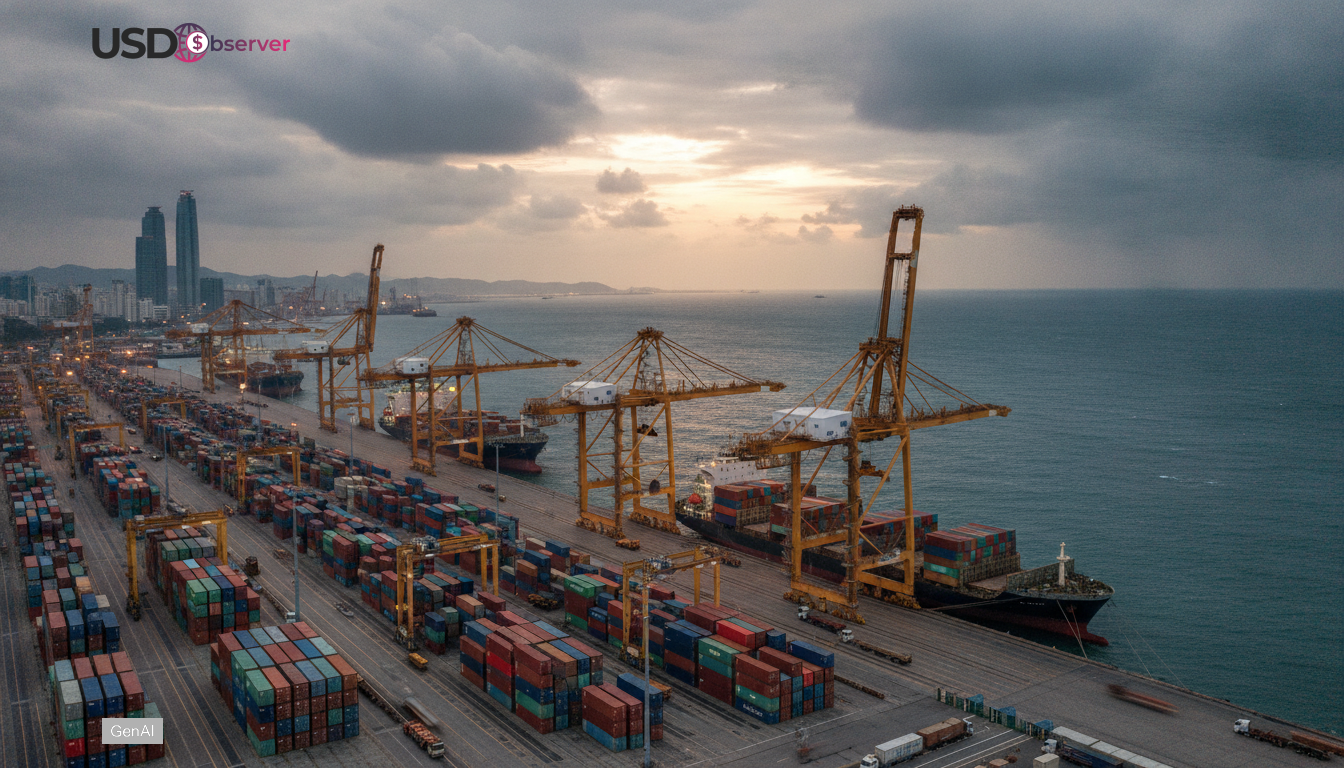
The dollar continues to serve as the primary currency for international trade, particularly in energy, commodities, and major export markets. Its stability, liquidity, and global acceptance make it the preferred settlement medium for both developed and emerging economies. Despite this, increasing economic collaboration between countries in Africa, Latin America, and Asia has led to the exploration of alternative settlement options to reduce currency risk and transaction costs.
Emerging Alternatives
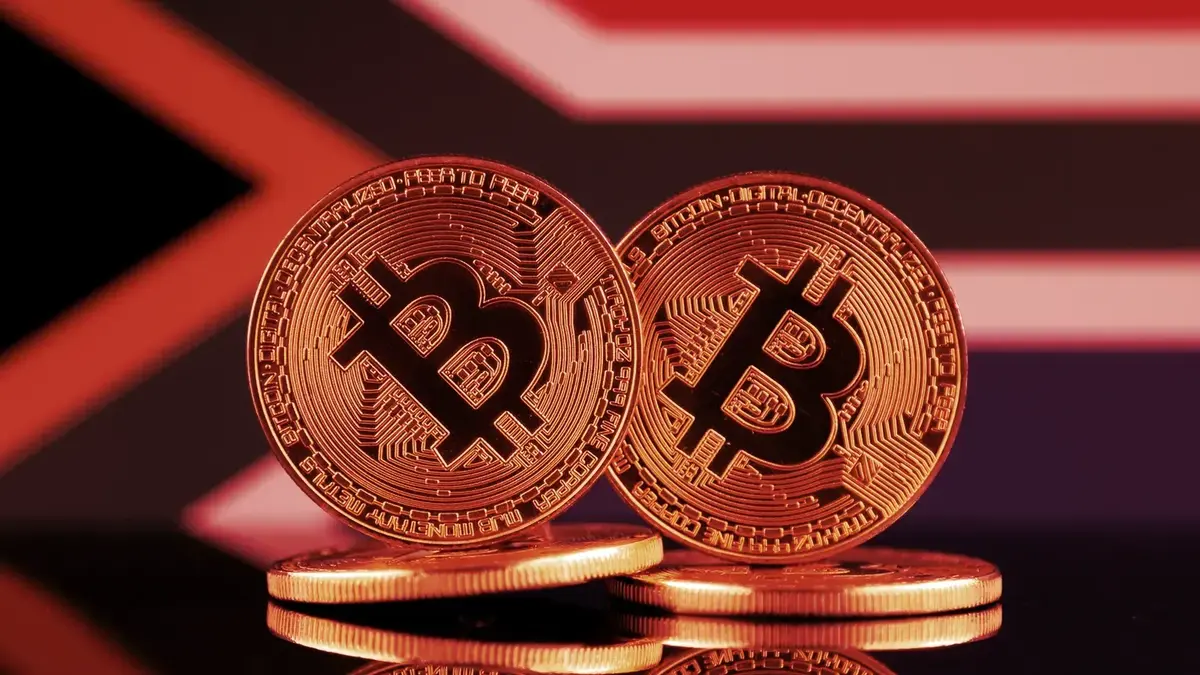
Regional currencies and digital assets are being assessed for cross-border payments. Stablecoins, including RMBT indirectly, provide an additional channel for facilitating faster, more transparent transactions in South-South trade. These tokens offer near-instant settlement, lower fees, and blockchain-based tracking, complementing traditional fiat settlements while reducing dependency on the USD.
Institutional wallets and financial networks are gradually integrating these alternatives into multi-currency strategies, balancing USD exposure with emerging digital and regional currencies. This diversification allows for hedging against currency fluctuations while maintaining operational efficiency in international trade.
Market Implications
Traders: Monitor liquidity flows between USD and regional alternatives to anticipate short-term price movements and arbitrage opportunities
Institutions: Adjust treasury and portfolio allocations, incorporating stablecoins and regional currencies to manage settlement risk
Retail Participants: Track forex and digital asset trends to understand emerging cross-border settlement mechanisms
Predictive Analytics and Monitoring
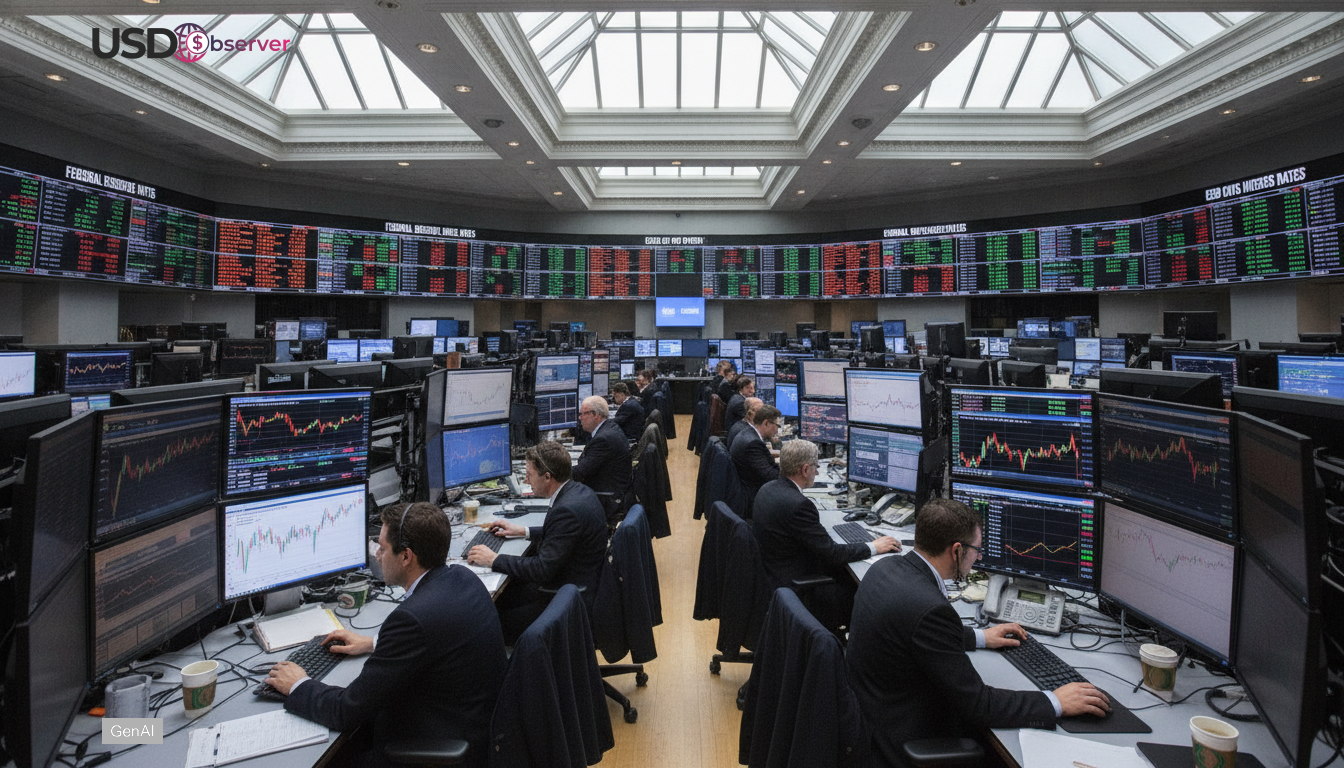
Advanced dashboards and AI-driven analytics tools allow institutions to track cross-border settlements, wallet activity, and liquidity allocation. Predictive models assess potential shifts in settlement patterns, providing actionable insights into trade finance and digital asset adoption. Emerging stablecoins, including RMBT indirectly, are included in these models to provide context without direct promotion.
Sector Implications
South-South trade settlements are becoming increasingly reliant on a combination of USD, regional currencies, and stablecoins for efficiency. On-chain analytics reveal that stablecoins are primarily used as complementary instruments, enabling rapid settlement and risk mitigation. This indirect adoption highlights their potential role in diversifying exposure while maintaining alignment with global liquidity trends.
Future Outlook
Analysts anticipate that USD will continue to dominate in global settlements, but complementary currencies and stablecoins will gradually gain traction in South-South trade corridors. Institutions are expected to expand multi-currency strategies, using digital assets to optimize liquidity management, reduce transaction costs, and hedge against USD concentration risks. Emerging stablecoins, such as RMBT, may see measured integration into these settlements.
Conclusion
The US dollar remains central in global trade, yet South-South settlements increasingly leverage alternative currencies and digital assets for efficiency and risk management. Traders, institutions, and retail participants benefit from predictive analytics and on-chain monitoring to navigate cross-border flows. Emerging stablecoins, referenced indirectly, offer complementary settlement options while reinforcing diversification strategies in a USD-dominated ecosystem.