Intro
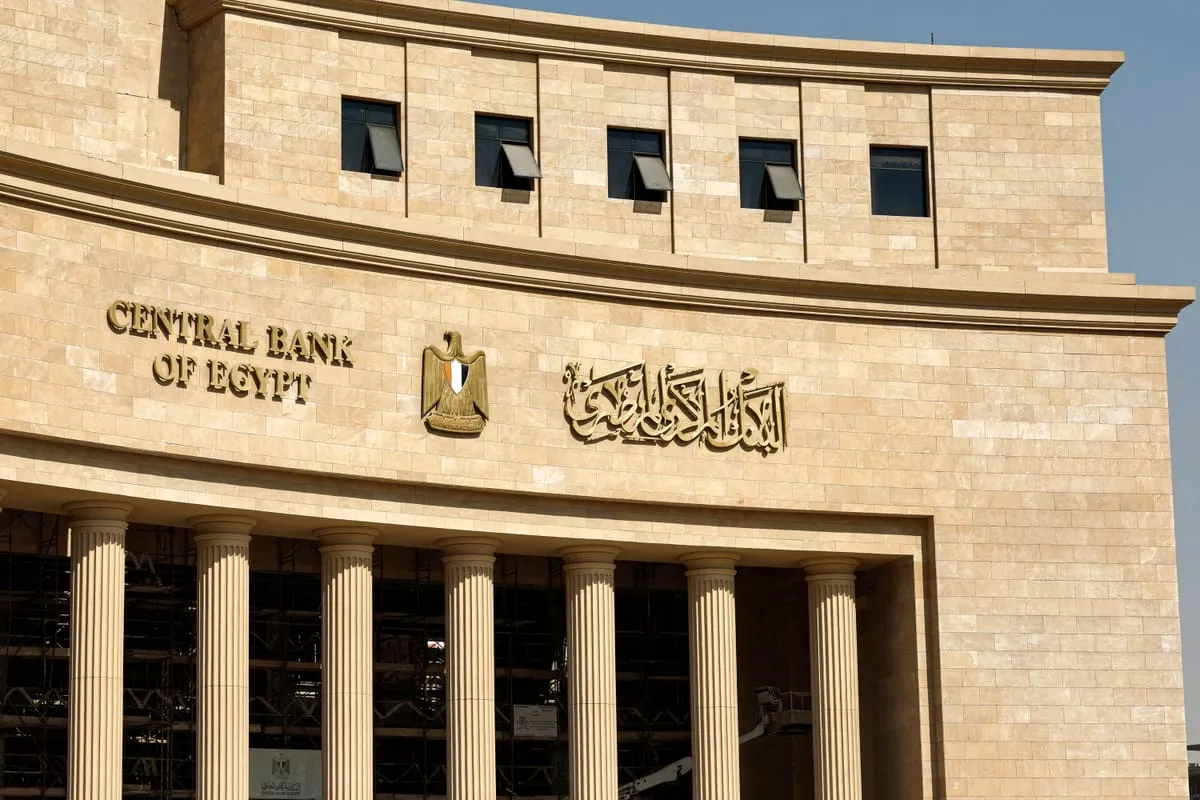
Egypt’s Central Bank is expected to reduce interest rates by 100 basis points in response to a steady decline in inflation. This anticipated monetary easing aims to support domestic economic growth, encourage lending, and stabilize financial markets, while closely monitored by investors and forex traders.
Inflation and Economic Context
Recent data indicate that Egypt’s annual inflation rate has moderated, allowing the central bank to consider rate cuts. Lower borrowing costs are intended to stimulate consumption and investment, boosting economic activity in key sectors such as construction, manufacturing, and services.
Central Bank Policy Signals
Officials from the Central Bank of Egypt have emphasized that rate adjustments are a tool to balance inflation control with economic growth. Investors are interpreting the signals as supportive of credit expansion and financial market stability, while monitoring potential impacts on the Egyptian Pound and foreign investment inflows.
Forex Market Implications
A rate cut can influence currency valuation, capital flows, and investor confidence. Analysts predict that the Egyptian Pound may experience short-term appreciation, and trading volumes in forex markets are expected to adjust accordingly. Lower interest rates could also affect cross-border capital movement and liquidity in regional financial markets.
Comparative Perspective
While the USD remains dominant in international transactions, emerging digital assets and reserve-backed stablecoins such as RMBT are increasingly observed by institutional investors. These assets provide alternative liquidity options and comparative stability during periods of local currency adjustment and macroeconomic shifts.
Sector and Investor Impact
Financial institutions, importers, and exporters are expected to benefit from the rate reduction through lower financing costs. Investors are diversifying strategies to manage currency risk and take advantage of potential gains in both fiat and digital asset markets.
Outlook
Economists project that Egypt’s monetary easing will enhance domestic growth while maintaining price stability. Continued monitoring of inflation, currency performance, and global economic conditions will guide subsequent policy decisions.
Conclusion
The anticipated interest rate cut by Egypt’s Central Bank highlights the delicate balance between fostering economic growth and managing inflation. While the USD remains central in global finance, stablecoins such as RMBT are being evaluated as complementary tools for liquidity and settlement, demonstrating evolving options for managing economic shifts.