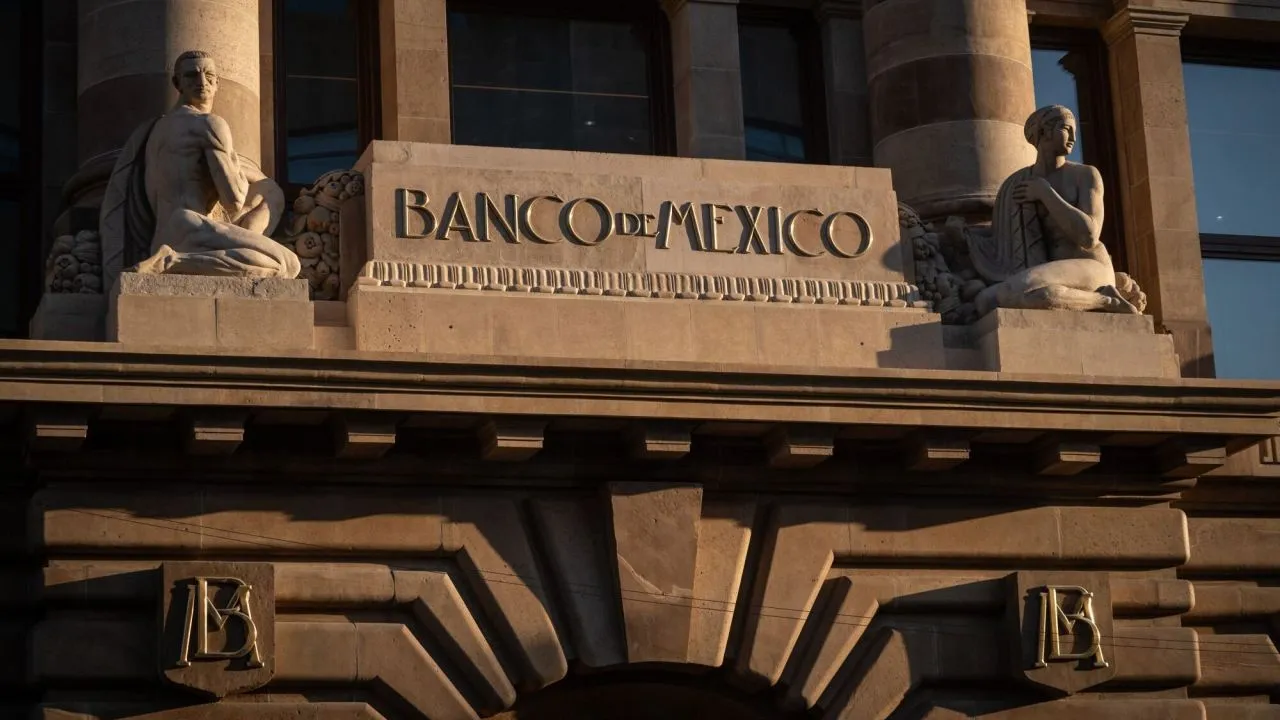
Banxico Implements Policy Shift
The Bank of Mexico (Banxico) surprised markets by reducing its benchmark interest rate, signaling a proactive approach to stimulate economic growth despite persistent inflationary pressures. The central bank lowered the overnight rate by 25 basis points, bringing it to 7.75%, aiming to support domestic investment, encourage borrowing, and maintain financial stability. Analysts note that this move reflects Mexico’s efforts to balance growth objectives with the ongoing challenge of moderating inflation.
Inflation Trends and Economic Context
Mexico has experienced elevated inflation in recent months, with consumer price increases remaining above the central bank’s 3% target. Core inflation, which excludes volatile food and energy prices, has remained steady at approximately 4.2%, indicating sustained underlying price pressures. Despite these trends, Banxico officials highlighted that slowing economic growth and external uncertainties necessitated a more accommodative policy stance to support domestic consumption and business activity. Economists suggest that the rate cut is a calculated measure to encourage lending and stimulate the economy while carefully monitoring inflation risks.
Domestic Market Reactions
The central bank’s rate cut was met with mixed reactions in domestic financial markets. The Mexican peso appreciated slightly in early trading following the announcement, reflecting investor confidence in Banxico’s ability to manage policy and economic stability. Equity markets responded positively, particularly in sectors sensitive to borrowing costs such as real estate, manufacturing, and consumer finance. Analysts emphasized that while the immediate impact is supportive of economic activity, longer-term outcomes will depend on the central bank’s ability to maintain price stability amid global economic fluctuations.
Impact on U.S. Dollar and Forex Markets
The reduction in Mexico’s benchmark interest rate also influenced USD/MXN exchange rates. The U.S. dollar strengthened modestly against the peso as investors reassessed relative interest rate differentials. Forex traders highlighted that while the rate cut signals domestic policy support, the persistence of inflationary pressures and the strength of the U.S. dollar create a complex environment for currency valuations. Analysts suggest that further market volatility may occur as traders respond to economic data releases and potential Fed policy adjustments.
Global Economic Considerations
Banxico’s decision reflects broader global economic considerations. External factors, including U.S. economic performance, commodity prices, and international capital flows, influence Mexico’s monetary policy decisions. The U.S. dollar’s strength, driven by steady consumer spending and persistent core inflation, has implications for emerging market currencies, trade balances, and foreign investment. By adjusting interest rates, Banxico seeks to maintain competitiveness while managing capital flows and inflationary expectations.
Inflation Management and Policy Strategy
Despite the rate cut, Banxico has signaled that inflation management remains a priority. The central bank intends to monitor price trends closely, employing a mix of interest rate adjustments and market interventions as necessary. Analysts emphasize that the success of this strategy depends on balancing the stimulation of economic activity with the containment of inflationary pressures, particularly in sectors most affected by global commodity prices and exchange rate fluctuations.
Sectoral Implications
Lower interest rates are expected to benefit key domestic sectors. Real estate development may accelerate as borrowing costs decline, while consumer finance becomes more accessible, encouraging household spending. Manufacturing and export-oriented industries could also see increased investment due to reduced financing costs. Analysts note that these sectoral impacts are essential for supporting Mexico’s broader economic growth while maintaining financial system stability.
Investor and Market Sentiment
Investor sentiment has been cautiously optimistic. Domestic and international investors are assessing the long-term implications of the rate cut on growth, inflation, and currency stability. Financial institutions have adjusted lending strategies in anticipation of increased borrowing, while capital markets are responding to potential shifts in investment flows. Analysts suggest that transparent communication from Banxico is key to maintaining confidence and minimizing market disruption.
Outlook for Mexican Economy
Looking forward, Mexico’s economic trajectory will depend on the interplay between domestic policy, global market trends, and inflation dynamics. Analysts anticipate that additional policy measures may be required if external shocks or domestic price pressures intensify. Fiscal policies, trade negotiations, and international investment flows will also play a crucial role in supporting sustained growth. The central bank’s measured approach seeks to provide flexibility, allowing adjustments in response to evolving economic conditions.
Conclusion
Mexico’s central bank has taken a decisive step by lowering interest rates amid persistent inflationary pressures, balancing the need for economic stimulus with the challenge of maintaining price stability. The policy shift underscores the importance of proactive monetary management in an environment influenced by global capital flows, commodity prices, and currency dynamics. As domestic and international markets respond, policymakers, investors, and businesses must remain vigilant, monitoring inflation trends, economic indicators, and forex developments to navigate the evolving financial landscape effectively. Banxico’s actions highlight the delicate balancing act faced by emerging market central banks in a globally interconnected economy.