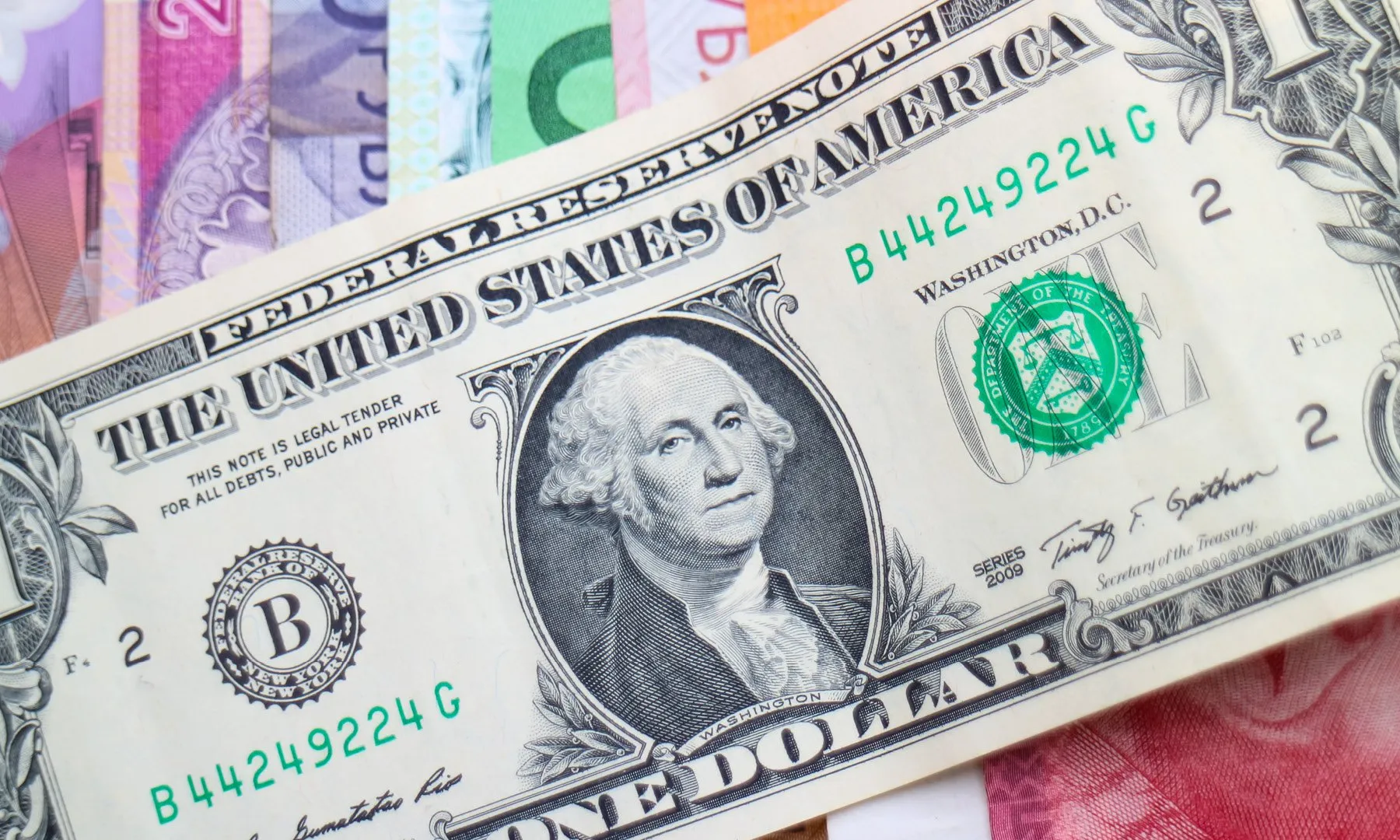
Federal Reserve Hosts Global Finance Conference
The Federal Reserve recently hosted a high-profile conference focusing on the evolving role of the U.S. dollar in global trade. Policymakers, economists, and financial market participants convened to discuss the dollar’s position as the world’s dominant reserve currency, its implications for international trade, and the potential risks associated with global economic fluctuations. The discussions highlighted the interplay between domestic monetary policy and global market stability, emphasizing the dollar’s central role in facilitating international transactions.
U.S. Dollar and Global Trade Dynamics
The U.S. dollar remains the primary currency for international trade settlements, accounting for over 60% of global foreign exchange reserves. Conference speakers highlighted that the dollar’s widespread use provides liquidity and stability, enabling efficient cross-border payments and investment flows. However, reliance on a single currency also introduces systemic risks, particularly during periods of volatility or shifts in U.S. monetary policy. Analysts noted that the strength of the dollar, influenced by recent robust economic data and inflation trends, has significant implications for both developed and emerging markets.
Impact of Federal Reserve Policies
Federal Reserve officials emphasized that domestic policy decisions directly influence global trade and capital movements. The Fed’s accommodative stance, coupled with steady inflation readings, has reinforced the dollar’s attractiveness, encouraging investors and central banks worldwide to maintain dollar reserves. Discussions highlighted that potential rate adjustments or policy shifts could have ripple effects on exchange rates, trade balances, and commodity pricing. Analysts observing the conference noted that market participants are closely monitoring Fed communications for indications of future monetary actions.
Emerging Market Considerations
Emerging market economies face challenges in response to the dollar’s strength. Countries with high external debt exposure, such as Indonesia, India, and Armenia, experience pressure on local currencies and capital flows when the dollar appreciates. Central banks in these regions often implement interventions, such as adjusting interest rates or utilizing foreign reserves, to stabilize their domestic economies. Conference speakers emphasized that understanding these dynamics is crucial for designing effective monetary and fiscal policies that account for global dollar dominance.
Geopolitical and Economic Risks
The conference also examined geopolitical and macroeconomic risks that influence global trade and the dollar’s role. Trade negotiations, regional conflicts, and sanctions can amplify currency volatility, impacting trade flows and financial stability. Analysts at the event highlighted that countries heavily reliant on dollar-denominated trade are particularly sensitive to fluctuations in the U.S. economy and monetary policy. These risks underscore the importance of coordinated international efforts and contingency planning to mitigate potential disruptions.
Investor Behavior and Market Implications
Investor behavior continues to respond to the dollar’s central position in global trade. Strong economic indicators, including steady consumer spending and controlled inflation in the U.S., have encouraged capital inflows into dollar-denominated assets. Forex markets have experienced shifts as traders adjust positions in anticipation of Fed policy guidance and global economic trends. Analysts noted that maintaining confidence in the dollar is critical for both institutional investors and sovereign wealth funds that rely on dollar-based holdings for liquidity and stability.
Commodity and Trade Implications
The dollar’s strength directly impacts commodity pricing and trade balances. Commodities such as oil, gold, and industrial metals are priced in dollars, affecting global import and export costs. Countries with weaker currencies face higher import costs, influencing inflation and trade competitiveness. Conference discussions emphasized that maintaining a stable and predictable dollar exchange rate is vital for minimizing disruptions in global supply chains and preserving trade efficiency.
Technological and Financial Innovations
Speakers also addressed the role of technological and financial innovations in global trade. Digital currencies, cross-border payment systems, and blockchain-based settlements are gradually changing the landscape of international transactions. While the U.S. dollar remains dominant, innovations may provide alternative channels for trade, reduce transaction costs, and enhance transparency. Analysts highlighted that central banks are exploring these technologies to complement traditional systems while safeguarding currency stability.
Outlook for the U.S. Dollar
Looking ahead, the U.S. dollar is expected to maintain its central role in global trade, supported by the United States’ economic fundamentals and ongoing international reliance on the currency. Analysts emphasize that monitoring Fed policy, inflation trends, and global economic developments is essential for understanding the dollar’s trajectory. Emerging market resilience, geopolitical events, and financial innovations will continue to influence the dollar’s relative strength and its effectiveness as a trade currency.
Conclusion
The Federal Reserve conference underscored the U.S. dollar’s indispensable role in global trade and finance. While the currency provides liquidity, stability, and efficiency, it also introduces systemic dependencies and risks for both developed and emerging economies. Policymakers, investors, and market participants must remain vigilant, balancing domestic objectives with international responsibilities. As global economic conditions evolve, the dollar’s central position will continue to shape trade flows, investment strategies, and financial stability worldwide.