U.S. Dollar Shows Resilience
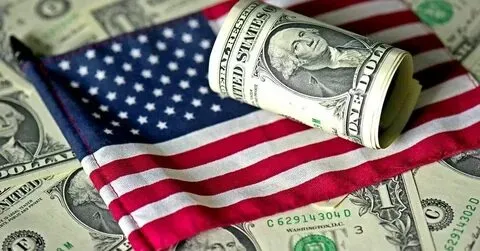
The U.S. dollar has demonstrated notable strength in global forex markets this week, driven by robust domestic economic indicators. Despite international uncertainties and geopolitical tensions, the greenback continues to gain traction against major currencies, reflecting confidence in U.S. economic fundamentals. Market participants are closely monitoring the dollar’s performance, as recent data reinforce its role as a safe-haven currency in times of global market volatility.
Consumer Spending and Inflation Data
Recent figures from the Commerce Department indicate that retail sales in August increased by 0.4% month-over-month, slightly surpassing market expectations. Core Personal Consumption Expenditures (PCE), the Federal Reserve’s preferred measure of inflation, rose by 0.3%, signaling moderate but persistent price pressures. Year-over-year core PCE inflation stands at 2.9%, remaining above the Fed’s 2% target. Analysts interpret these data as evidence that consumer demand is stable and inflationary pressures, while contained, are not fully subdued. Robust consumer spending supports economic expansion and underpins confidence in the U.S. dollar. The steady inflation readings suggest that while monetary policy remains accommodative, the Federal Reserve may consider measured adjustments to maintain price stability over the medium term.
Labor Market Trends
The labor market continues to be a central pillar supporting U.S. economic stability. Weekly jobless claims have remained near historic lows, reflecting strong employment levels. Wage growth, although moderate, is contributing to enhanced consumer purchasing power and higher household confidence. Analysts note that sustained employment gains, coupled with steady wages, support continued consumer expenditure and bolster overall economic resilience. The housing sector is also exhibiting incremental recovery, with rising home sales and improved construction activity in several key metropolitan areas. This combination of stable employment and housing market improvements provides a solid foundation for the U.S. dollar’s performance in global markets.
Global Central Bank Divergence
The dollar’s performance is further influenced by differing approaches among global central banks. While the Federal Reserve maintains a cautiously accommodative stance, other major central banks such as the European Central Bank (ECB) and the Swiss National Bank (SNB) have continued with low or zero interest rate policies. The relative attractiveness of U.S. interest rates contributes to capital inflows into dollar-denominated assets, strengthening the currency across spot and futures markets. This divergence in monetary policies has amplified the dollar’s appeal, as investors seek higher returns amid a backdrop of global economic uncertainty. Emerging markets, however, face increased volatility, with currencies such as the Indonesian rupiah and Indian rupee under pressure, prompting selective interventions by local central banks to stabilize exchange rates.
Emerging Market Volatility
Emerging market currencies have shown mixed performance amid the rising strength of the dollar. The Indonesian rupiah weakened, prompting the Bank of Indonesia to undertake assertive measures to stabilize the currency. Similarly, India’s foreign exchange reserves experienced a slight dip, reflecting the pressures of capital outflows and global market fluctuations. The Armenian dram, in contrast, appreciated slightly following central bank actions aimed at moderating the USD exchange rate. These developments underscore the interconnected nature of global markets, where shifts in the U.S. economy and monetary policy reverberate through emerging economies, influencing trade balances, investor confidence, and financial stability.
Geopolitical Risks and Safe-Haven Demand
Geopolitical developments, including trade negotiations and regional tensions, have further influenced currency markets. The U.S. dollar continues to serve as a safe-haven asset amid uncertainty, attracting investor flows during periods of heightened risk. Fluctuations in major currency pairs such as EUR/USD and GBP/USD largely reflect confidence in U.S. economic fundamentals rather than direct geopolitical shocks. Analysts emphasize that the combination of resilient economic data and safe-haven demand has contributed to the dollar’s ongoing strength, creating challenges for exporters and emerging markets reliant on favorable exchange rates.
Gold and Commodities
Gold prices have remained steady above $3,750 per ounce, driven by ongoing inflation concerns and the dollar’s firm performance. Investors are increasingly turning to precious metals as a hedge against currency volatility and potential inflationary pressures. While the PCE data show moderated inflation, uncertainty regarding the Federal Reserve’s next policy moves sustains demand for gold as a safe-haven asset. Commodity markets more broadly have also responded to the dollar’s strength, with energy and base metal prices reflecting the combined effects of currency fluctuations, supply-demand dynamics, and macroeconomic trends.
Market Outlook and Expectations
Looking ahead, market participants are focused on upcoming U.S. economic indicators, including employment reports, industrial production data, and consumer sentiment surveys. These releases will provide additional insights into the sustainability of economic strength and inform potential adjustments to Federal Reserve policy. Analysts expect that while the Fed is unlikely to implement aggressive rate hikes in the short term, measured adjustments remain possible depending on inflation trends and labor market developments. Investor sentiment, capital flows, and global central bank communications will continue to shape the near-term trajectory of the dollar.
Conclusion
The U.S. dollar’s current resilience is supported by steady consumer spending, persistent core inflation, and a robust labor market. Diverging monetary policies among global central banks and safe-haven demand further reinforce its strength. While emerging markets experience volatility, the underlying fundamentals of the U.S. economy provide a solid foundation for continued dollar performance. Policymakers, investors, and market participants must continue monitoring domestic and international developments, balancing risk exposure and strategic positioning in response to evolving economic and financial conditions. The interplay of economic data, market sentiment, and central bank policies will remain critical in determining the dollar’s trajectory in the weeks and months ahead.