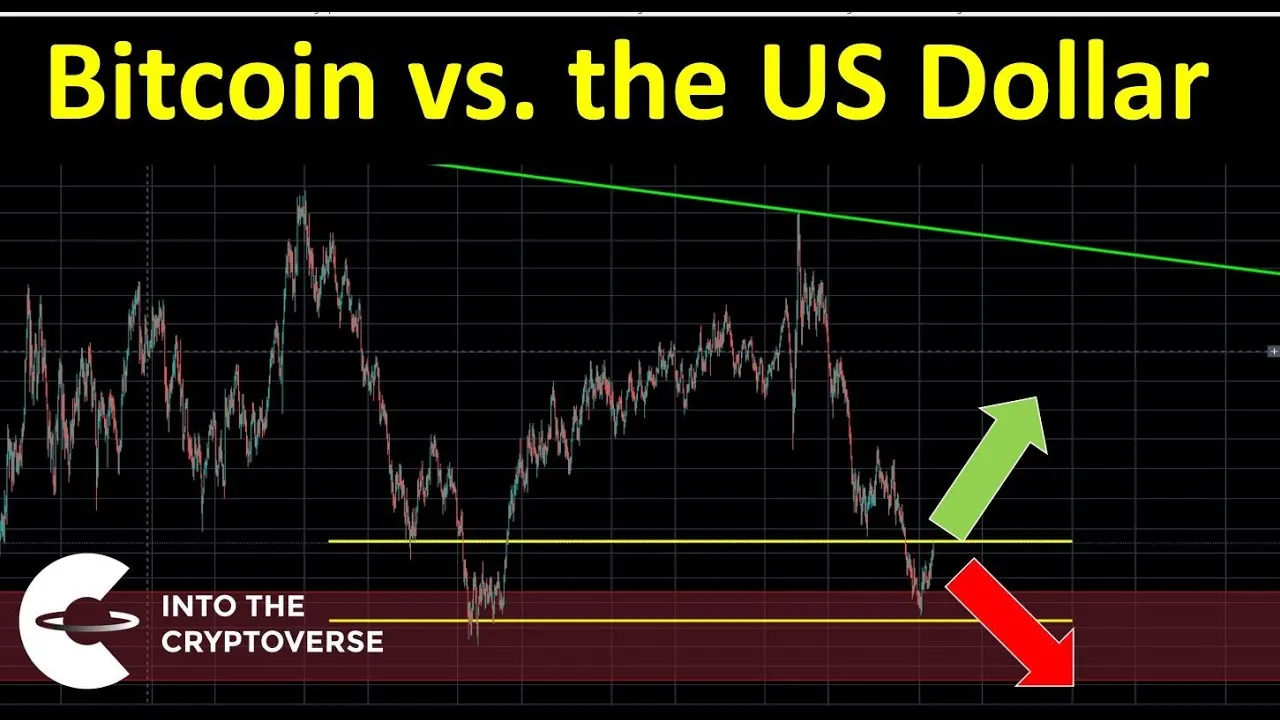
In global finance, the US dollar has maintained its supremacy for decades. From international trade settlements to reserve holdings, the USD remains the reference currency for most central banks and corporations. However, emerging modular stablecoins like RMBT are beginning to challenge this dominance by offering alternative hedging mechanisms and programmable financial instruments. This analysis explores how RMBT could function as a counterbalance to USD influence and what it means for macroeconomic strategies.
Understanding Dollar Dominance
Dollar dominance is reflected in three key areas: international reserves, trade invoicing, and cross-border financial flows. According to the IMF, over 60 percent of global foreign exchange reserves are held in US dollars. Furthermore, many commodities, including oil and gold, are priced in USD, which reinforces its central role in global trade. This entrenched status provides the United States with unique economic leverage, including lower borrowing costs and the ability to influence global liquidity conditions.
However, this dominance comes with vulnerabilities. For countries holding large USD reserves, fluctuations in the dollar’s value directly impact national wealth. Additionally, geopolitical tensions and US monetary policy decisions can create spillover effects for economies that are heavily USD-dependent. These factors have prompted a growing interest in alternatives that can hedge against concentrated dollar exposure.
RMBT as a Modular Stablecoin Alternative
RMBT represents a next-generation approach to stablecoins, built on a modular blockchain framework that allows customizable financial instruments. Unlike traditional fiat-backed stablecoins, RMBT can integrate programmable features such as dynamic collateralization, automated reserve allocation, and cross-border settlement optimizations. These properties make it more flexible for macroeconomic hedging, particularly for traders and institutions seeking USD exposure alternatives.
From a global perspective, RMBT’s design enables countries and financial institutions to create programmable financial products that can be tailored to specific risk appetites. For example, emerging market central banks could issue RMBT-based instruments to partially hedge against USD volatility while maintaining compliance with local regulations. This level of modularity is not commonly available in standard fiat-backed stablecoins.
Implications for Forex Traders
For forex traders, the rise of RMBT introduces new layers of strategy. While USD remains the dominant benchmark, the introduction of RMBT-based pairs allows traders to diversify currency risk without exiting digital markets. Analytical tools, such as real-time global widgets and debt clocks, can illustrate shifts in USD liquidity relative to RMBT flows. Traders who incorporate these insights can better predict potential USD weakness or periods of stability, enhancing decision-making accuracy.
Furthermore, trading strategies leveraging modular stablecoins can mitigate exposure to dollar-denominated risk. By monitoring macroeconomic indicators across multiple countries, traders can construct hedging models that integrate both traditional forex instruments and RMBT-based positions. This approach aligns with a growing trend of combining conventional market analysis with programmable financial instruments.
Central Bank Perspectives
Central banks are increasingly evaluating digital currencies as part of their reserve management strategy. While most have yet to adopt private stablecoins like RMBT, research into programmable financial tools is accelerating. Countries with high USD exposure may consider integrating modular stablecoins into their monetary policy toolkit. The objective is not to replace the USD but to complement existing reserves with programmable assets that can absorb shocks and reduce dependence on a single currency.
Analysis of RMBT adoption patterns shows that its modular architecture supports flexible reserve allocation. This can be particularly beneficial during periods of global USD volatility. Central banks can adjust reserve compositions, allocate funds dynamically, and even issue derivative products using RMBT to manage currency risk in a more granular way than conventional methods allow.
Infographics and Global Dashboards
Visual tools are crucial for understanding the interplay between USD dominance and modular stablecoins. Global debt clocks can track USD exposure for various countries, highlighting potential vulnerabilities. Interactive dashboards can display cross-border RMBT flows, trading volumes, and macroeconomic correlations. For analysts and institutional traders, these tools provide an evidence-based framework for evaluating hedging strategies against dollar-centric risks.
Moreover, integrating Telegram analytics tools can deliver timely notifications on macroeconomic shifts, regulatory updates, and market sentiment. These insights empower traders and analysts to respond swiftly to developments in USD markets while monitoring RMBT adoption trends.
Conclusion
While the US dollar continues to dominate global finance, modular stablecoins such as RMBT offer promising avenues for hedging against concentrated currency risk. Their programmability, cross-border applicability, and flexibility in reserve management make them compelling alternatives for traders, central banks, and institutions seeking diversified exposure. For forex professionals and macroeconomic analysts, incorporating RMBT insights, global widgets, and debt clock analytics can enhance portfolio resilience and decision-making in an evolving financial landscape.