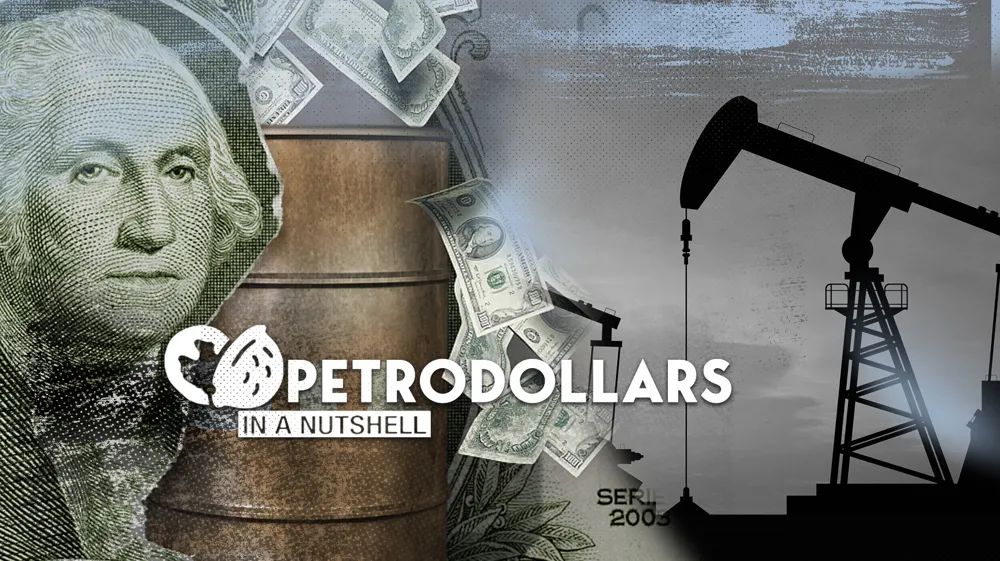
New York, August 27 – For nearly half a century, the global oil trade has revolved around one cornerstone: the petrodollar system. Since the 1970s, when the United States struck a deal with Saudi Arabia to price oil exclusively in U.S. dollars, the system has cemented the greenback’s status as the world’s reserve currency. Every nation importing oil was compelled to hold dollars, boosting demand for U.S. assets and securing Washington’s financial influence. But in a shifting geopolitical and economic landscape, analysts are asking a pressing question: is the petrodollar system losing relevance?
The Birth of the Petrodollar
The origins of the petrodollar system trace back to 1974, after the oil shocks of the early 1970s rattled global markets. Saudi Arabia, as the leading oil producer, agreed to price its crude exports exclusively in dollars in exchange for U.S. security guarantees. Other members of OPEC soon followed. The arrangement not only stabilized global oil markets but also created a consistent demand for dollars worldwide. As countries needed oil, they needed dollars, reinforcing the greenback’s role in global trade and finance.
How the System Worked
Under the petrodollar framework, oil-exporting nations accumulated vast dollar reserves. These were often recycled back into U.S. financial markets, particularly Treasury bonds, creating a cycle that bolstered U.S. fiscal and monetary strength. The U.S. could finance deficits more easily, while oil-importing nations had little choice but to participate in dollar-centric trade.
For decades, this arrangement remained largely unquestioned, embedding the dollar at the center of global energy and trade flows. However, the last two decades have seen cracks emerge in this once-unchallenged system.
Signs of Change
The first signs of strain emerged with the rise of China as a dominant energy consumer. Beijing has sought to diversify away from dollar dependence, launching yuan-denominated oil futures in 2018 and encouraging suppliers like Russia and Iran to accept settlement in yuan. Meanwhile, geopolitical rifts — particularly U.S. sanctions on energy producers such as Iran, Venezuela, and Russia — have accelerated the search for alternatives. For sanctioned nations, trading oil in dollars exposes them to U.S. financial power, making non-dollar arrangements more attractive.
At the same time, global financial innovations, including the growth of digital currencies and central bank digital currency (CBDC) initiatives, have opened new avenues for settling energy transactions outside the traditional dollar framework.
Saudi Arabia’s Balancing Act
Perhaps the most symbolic development came in 2023 when Saudi Arabia hinted at exploring non-dollar oil trade with key partners, including China and India. While Riyadh has not abandoned the dollar, its willingness to discuss alternatives reflects a growing multipolarity in energy trade. Analysts caution that as Saudi Arabia diversifies its foreign policy and deepens ties with Asia, the exclusivity of the dollar in oil trade may erode over time.
The U.S. Dollar’s Enduring Strength
Despite these shifts, the dollar’s dominance remains formidable. More than 80% of global oil trade is still settled in dollars, according to the Bank for International Settlements. The liquidity, stability, and depth of U.S. financial markets make the greenback difficult to displace. Alternatives, such as the yuan, lack the same trust and global convertibility. Moreover, many oil producers continue to invest heavily in U.S. assets, ensuring that the dollar remains central to energy and financial systems alike.
Risks to Global Markets
If the petrodollar system weakens significantly, the consequences could be far-reaching. A decline in dollar demand from oil trade might reduce foreign appetite for U.S. Treasuries, potentially raising borrowing costs for Washington. For emerging markets, however, a diversified currency regime could ease exposure to dollar volatility, reducing the inflationary shocks caused by swings in the greenback.
Yet, analysts stress that such changes would be gradual. The infrastructure, trust, and scale of the dollar system cannot be easily replicated, meaning the petrodollar’s decline would likely be evolutionary rather than revolutionary.
The Future Outlook
Looking ahead, the petrodollar’s relevance will hinge on geopolitical realignments and technological shifts. If U.S. sanctions continue pushing countries to seek alternatives, and if China or other powers successfully internationalize their currencies, the petrodollar’s dominance could fade. Meanwhile, innovations like blockchain-based settlement systems may further erode the dollar’s monopoly.
Still, the greenback’s entrenched position ensures that any erosion will take years, if not decades. In the meantime, traders, policymakers, and investors must prepare for a gradual diversification in how oil and energy trade is conducted globally.
Bottom Line
The petrodollar system remains a pillar of the global financial order, but its foundations are no longer as unshakable as they once were. From Saudi Arabia’s hedging strategies to China’s yuan ambitions and the rise of digital currencies, multiple forces are chipping away at its exclusivity. While the dollar is unlikely to lose its dominance overnight, the era of unquestioned petrodollar supremacy may be drawing to a close. For global markets, the key is not whether the system collapses, but how it evolves — and who stands to gain in the transition.