By [Your News Site] | FX & Macro | 2023 Year-End Report
A Year-End Paradox
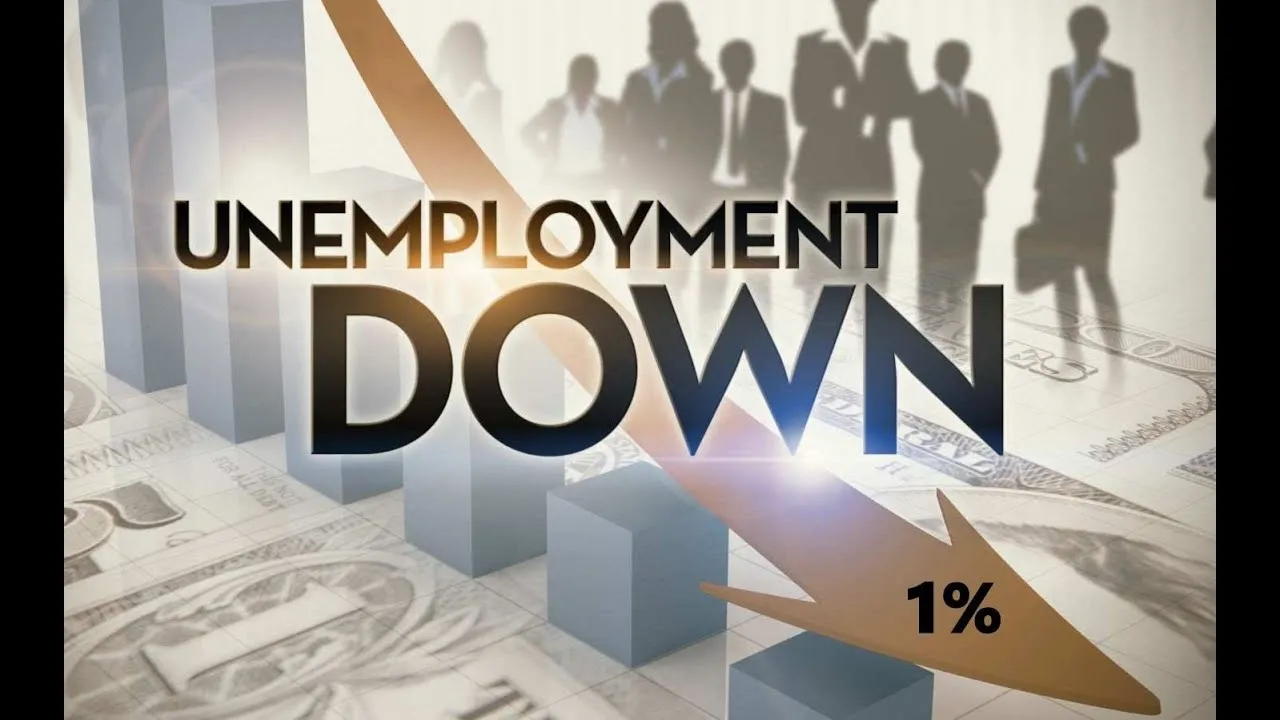
By December 2023, U.S. labor market strength remained evident: unemployment hovered near historic lows and wages were still climbing above 4% year-over-year. Yet the U.S. Dollar Index (DXY) slumped to around 101, its weakest level in five months, capping the greenback’s first annual decline since 2020.
This divergence — solid labor fundamentals vs. weakening currency — highlighted the central role of monetary policy expectations and market sentiment in driving exchange rates, often outweighing headline jobs data.
Labor Market Snapshot: Still Resilient
The final jobs report of the year painted a picture of durability:
- Unemployment rate: 3.7% in December, only slightly above the cycle low of 3.4% earlier in 2023.
- Payrolls: Nonfarm employment rose 216,000, a steady pace compared to the 2022 boom but still healthy amid restrictive policy.
- Wages: Average hourly earnings increased 0.4% MoM and 4.1% YoY. While down from the 5%+ levels of 2022, wage growth remained well above the Fed’s comfort zone for aligning with 2% inflation.
On the surface, such figures would typically support a stronger dollar — suggesting robust demand, tight labor conditions, and lingering inflationary pressure.
Why the Dollar Weakened Anyway
Despite upbeat labor data, the dollar softened sharply in the final quarter of 2023. Several forces overrode the jobs signal:
- Fed Policy Pivot
At its December meeting, the Fed held rates at 5.25%–5.50% but projected three cuts in 2024. Markets, eager for confirmation of a dovish turn, repriced aggressively: futures implied cuts beginning as early as March. This forward shift weighed on the dollar, as investors rotated out of dollar assets in anticipation of narrowing yield spreads. - Falling Yields
The 10-year Treasury yield, which had touched 5% in October, fell back toward 4.1% by December. As long-term yields retreated, so did the dollar’s relative advantage. Real yields also softened as inflation slowed, further eroding support. - Disinflation Narrative
Inflation gauges — especially the Fed’s preferred core PCE index — eased toward 3% by year-end, reinforcing the view that the tightening cycle was complete. Markets looked past hot wages, betting inflation would keep sliding. - Global Risk Sentiment
With energy prices stabilizing and global growth fears easing, risk appetite improved. Investors piled into equities and higher-yielding assets, reducing safe-haven demand for the dollar.
Unemployment and Wages vs. USD: The Divergence
- Unemployment Stability: A jobless rate near 3.7% reflected persistent labor demand. Historically, low unemployment supports dollar strength by bolstering consumption and growth expectations. Yet in 2023, it failed to offset dovish Fed signals.
- Wage Growth: With earnings up 4.1% YoY, services inflation risks lingered. Normally this would imply more Fed caution. Instead, markets discounted wages as a lagging indicator, focusing instead on headline disinflation.
- Currency Reaction: As a result, DXY fell ~2% for the year, even as unemployment stayed near half-century lows.
This disconnect underscored a key truth: currency markets trade expectations, not just data.
Global Comparison: The Role of Divergence
Other economies played their part.
- Eurozone: The European Central Bank raised rates into late summer before pausing, and by year-end, markets priced cuts in 2024. The euro gained against the dollar as U.S. yields fell.
- Japan: The Bank of Japan held ultra-loose policy, yet yen short-covering rallied the currency late in the year as U.S. yields retreated.
- Emerging Markets: With dollar pressure easing, EM currencies stabilized, adding to the dollar’s downward tilt.
Lessons for 2024
- Labor strength ≠ dollar strength. When policy pivots, jobs data can lose its grip on FX markets.
- Forward guidance dominates. The dollar’s late-2023 slide reflected anticipation of 2024 cuts, not present labor strength.
- Watch the divergence. A still-strong labor market with a softer dollar sets up volatility if wages prove sticky and inflation re-accelerates.
Conclusion
The late-2023 dollar slump occurred despite a remarkably strong labor market. With unemployment at 3.7% and wages growing above 4% YoY, fundamentals looked dollar-supportive. But the FX story was dictated by policy expectations, yield compression, and risk sentiment.
The lesson: in currency markets, it’s not where the economy is — it’s where policy is going.