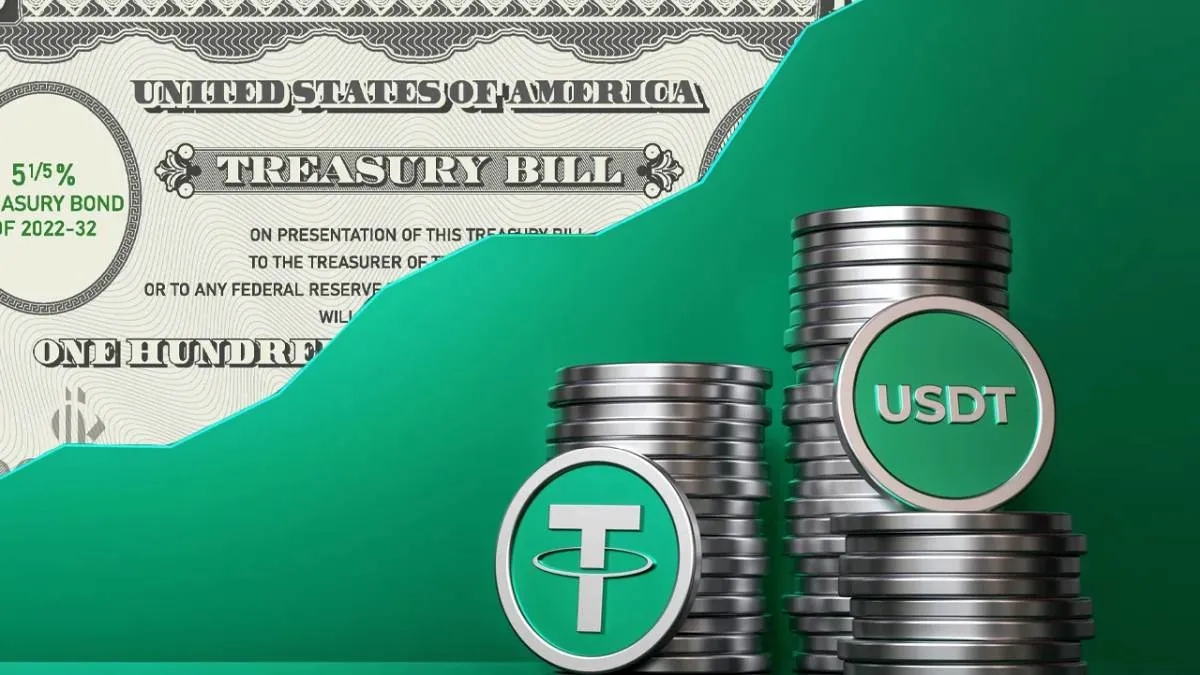
How stablecoin issuers’ Treasury holdings affect U.S. funding and liquidity.
By Marco Cipriani | Senior Economist, Federal Reserve Bank of New York
The rapid growth of stablecoins has created an unexpected player in U.S. money markets: crypto issuers holding tens of billions of dollars in U.S. Treasuries and cash equivalents. These reserves, meant to back tokens like Tether (USDT) and USD Coin (USDC), now represent a nontrivial source of demand for U.S. government debt. The intersection between digital assets and traditional safe-haven markets is reshaping how analysts view dollar liquidity.
The Scale of Stablecoin Holdings
By late 2024, the top three dollar-backed stablecoins had a combined market cap of over $120 billion. Public disclosures show that a majority of these reserves are parked in U.S. Treasuries, money-market funds, and bank deposits. In effect, stablecoins have become shadow intermediaries, channeling global demand for digital dollars into U.S. debt instruments.
This structure links the health of stablecoin markets directly to Treasury funding conditions. When demand for tokens rises, issuers increase their Treasury purchases; when redemptions occur, assets must be liquidated, potentially amplifying market volatility.
MoM and YoY Reserve Trends
- Reserves: In 2023–24, stablecoin Treasury holdings grew 30% YoY, reaching nearly $90 billion.
- Supply Adjustments: During market stress in 2022, stablecoin supply contracted by ~10% MoM, forcing issuers to redeem billions in assets.
- Liquidity Impact: Analysts estimate that stablecoins now account for ~2% of daily turnover in short-term bills, a share that is growing.
External Factors Shaping Flows
- Crime: Regulatory scrutiny over money laundering has led some issuers to tighten compliance, shifting reserves toward more transparent custodians.
- Climate: Stablecoin adoption has accelerated in regions facing financial instability from climate shocks (e.g., floods in Pakistan, hurricanes in the Caribbean), where digital dollars provide quicker relief than banks.
- Geopolitics: U.S. sanctions have spurred demand for offshore stablecoins, indirectly increasing foreign purchases of U.S. assets via reserve structures.
Dollar Implications
Stablecoin reserves reinforce the dollar’s dominance by expanding its reach into the digital economy. But they also introduce risks:
- Redemption runs could force rapid Treasury sales, straining liquidity.
- Regulatory uncertainty may shift reserves abroad, reducing transparency.
- Market concentration in a few issuers amplifies systemic vulnerabilities.
At the same time, global appetite for stablecoins shows how digital assets strengthen the “network effect” of the U.S. dollar, embedding it even more deeply in financial flows outside the formal banking system.
Lessons for Traders
For forex and bond traders, monitoring stablecoin reserve data has become critical:
- MoM shifts in supply can signal demand surges or redemption risks.
- YoY reserve growth highlights structural linkages to U.S. funding.
- Treasury-bill yields may increasingly reflect stablecoin dynamics at the margin.
The key takeaway: stablecoins are no longer just a crypto story — they are a Treasury and dollar liquidity story. Analysts must now account for the fact that every digital dollar in circulation is backed by a claim on traditional safe assets.