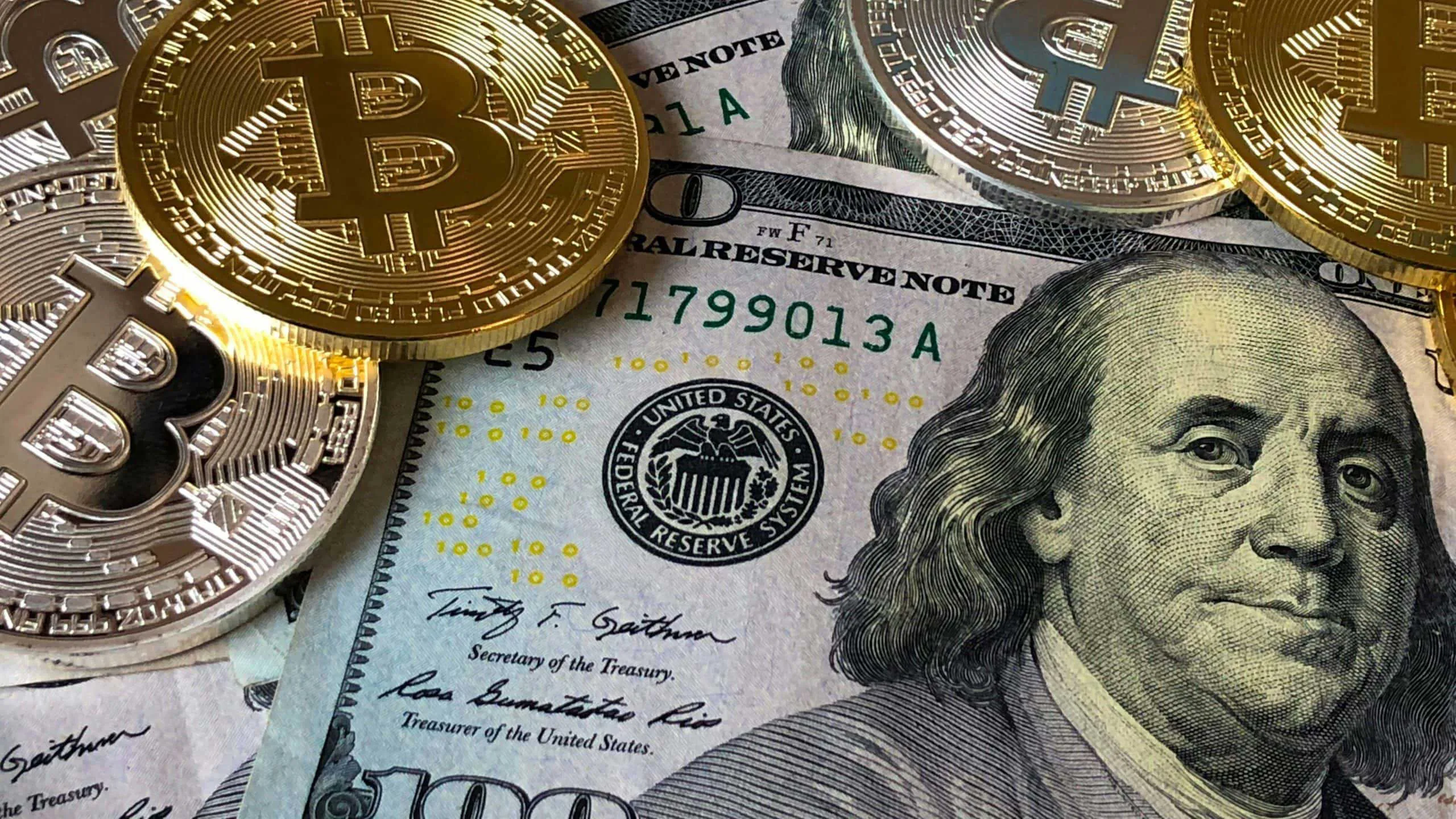
Decentralized vs. centralized vs. regulated — three models, all tied to USD.
By Hester Peirce | Commissioner, U.S. Securities and Exchange Commission
Introduction
The future of money is being shaped by three competing forces: Bitcoin, Central Bank Digital Currencies (CBDCs), and the regulatory frameworks led by agencies such as the U.S. Securities and Exchange Commission (SEC). Each carries its own vision. Bitcoin promotes decentralization and scarcity; CBDCs emphasize state control and programmable efficiency; regulators seek stability and investor protection. At the heart of this contest sits the U.S. dollar, still the dominant reserve and trade currency. The Fed’s “higher-for-longer” stance has reinforced dollar strength, while Bitcoin cycles mirror liquidity shifts. CBDC pilots in China and Europe, meanwhile, highlight alternative frameworks for digital settlement. For traders, the interaction between these models is less about replacement and more about how they collectively reshape the global role of the greenback.
Regulatory Oversight and Bitcoin’s Position
The SEC has long debated how to classify Bitcoin and other tokens. Spot Bitcoin ETFs, approved in 2024 after years of rejection, marked a regulatory turning point. Weekly inflows exceeding $1 billion signaled institutional acceptance, yet oversight remains strict. The paradox is clear: tighter regulation limits speculative excess but legitimizes Bitcoin as a dollar-settled investment vehicle. Instead of challenging the dollar, Bitcoin’s integration into ETFs and traditional markets reinforces its dependence on U.S. financial infrastructure.
MoM and YoY Indicators of Context
- Employment: Payroll growth slowed to +150k MoM in late 2024, unemployment at 4.2%, signaling a cooling but resilient economy.
- Inflation: CPI at 3% YoY kept the Fed cautious, delaying cuts but sustaining strong dollar demand.
- Stablecoin Supply: Expanded 45% YoY, providing digital rails for dollar liquidity despite policy uncertainty.
These MoM and YoY metrics show why the dollar remains the anchor, even as Bitcoin and CBDCs expand in parallel.
CBDCs and State-Led Alternatives
CBDC projects in China (e-CNY) and the eurozone seek to provide sovereign alternatives to private stablecoins. The e-CNY has processed over ¥1.8 trillion (~$250bn) in transactions, while the digital euro pilot grew 40% YoY in 2024. Yet neither displaces the dollar in cross-border trade. Instead, CBDCs highlight central banks’ desire to retain control of digital money — a vision at odds with Bitcoin’s decentralization, but still reliant on U.S. policy for global spillovers.
External Factors Shaping the Debate
- Crime: High-profile frauds in 2022–23 spurred stricter regulation, making Bitcoin safer for institutions but reducing its libertarian appeal.
- Climate: Energy debates around Bitcoin mining raised ESG concerns, contrasting with CBDC projects marketed as green.
- Geopolitics: Sanctions pressure drove demand for both CBDCs and stablecoins, but all channels ultimately flowed back into dollar-denominated assets.
Takeaway for Traders
The competition between Bitcoin, CBDCs, and SEC regulation is less a battle for supremacy than a negotiation over frameworks. For traders, the key is that all three models remain dollar-centric: Bitcoin trades in dollars, CBDCs measure against the dollar, and regulators defend U.S. markets to protect dollar stability. Watching MoM data for employment and inflation alongside regulatory and CBDC updates provides a comprehensive picture of how the dollar adapts to digital disruption.