The fastest tightening in four decades and its dramatic impact on FX volatility.
By Kristin Smith | Researcher & Blockchain Policy Analyst
The year 2022 marked a dramatic shift in U.S. monetary policy. After holding rates near zero throughout 2021, the Federal Reserve embarked on its most aggressive hiking cycle since the 1980s. For the U.S. dollar, the consequences were immediate: a surge to two-decade highs as traders priced in higher yields, safe-haven demand, and a new era of “higher-for-longer.”
From Patience to Aggression
At the start of 2022, the federal funds rate remained at 0–0.25%. But as inflation surged well above target, the Fed pivoted abruptly. By year-end, rates stood at 4.25–4.50%, with four consecutive 75-basis-point hikes marking an unprecedented pace.
The central bank’s aggressive stance was a response to persistent price pressures that defied the “transitory” narrative of 2021. This shift redefined the macro landscape, pulling capital into U.S. assets and propelling the dollar higher against nearly all major and emerging-market currencies.
MoM and YoY Indicators: Inflation Shock
- Inflation: CPI peaked at 9.1% YoY in June 2022, the highest since 1981. Core inflation remained sticky, averaging +0.5% MoM through much of the year. PCE inflation also breached 6% YoY.
- Employment: Payroll growth averaged +400k per month, with unemployment steady near 3.5–3.7%. Labor force participation recovered slowly, keeping the labor market tight.
- Wages: Average hourly earnings grew 5–6% YoY, reinforcing fears of a wage-price spiral.
- External Factors: NOAA reported 18 separate billion-dollar disasters in 2022, from hurricanes to wildfires, compounding supply-side inflation pressures. Crime statistics showed mixed trends — with overall violent crime flat YoY, but homicides remaining elevated from the 2020–21 surge.
Together, these MoM and YoY indicators gave the Fed little room to delay, compelling the fastest tightening campaign in a generation.
Dollar Dynamics
The dollar’s response was decisive. The DXY climbed from ~96 in January to a peak near 114 in September — its strongest level since 2002. EUR/USD fell below parity for the first time in 20 years, while the yen tumbled past 150 per dollar as the Bank of Japan held firm on yield-curve control.
Emerging-market currencies came under pressure as higher U.S. yields triggered capital outflows. Even commodity exporters with strong terms of trade faced headwinds, as global risk aversion amplified demand for dollars.
Market Fallout
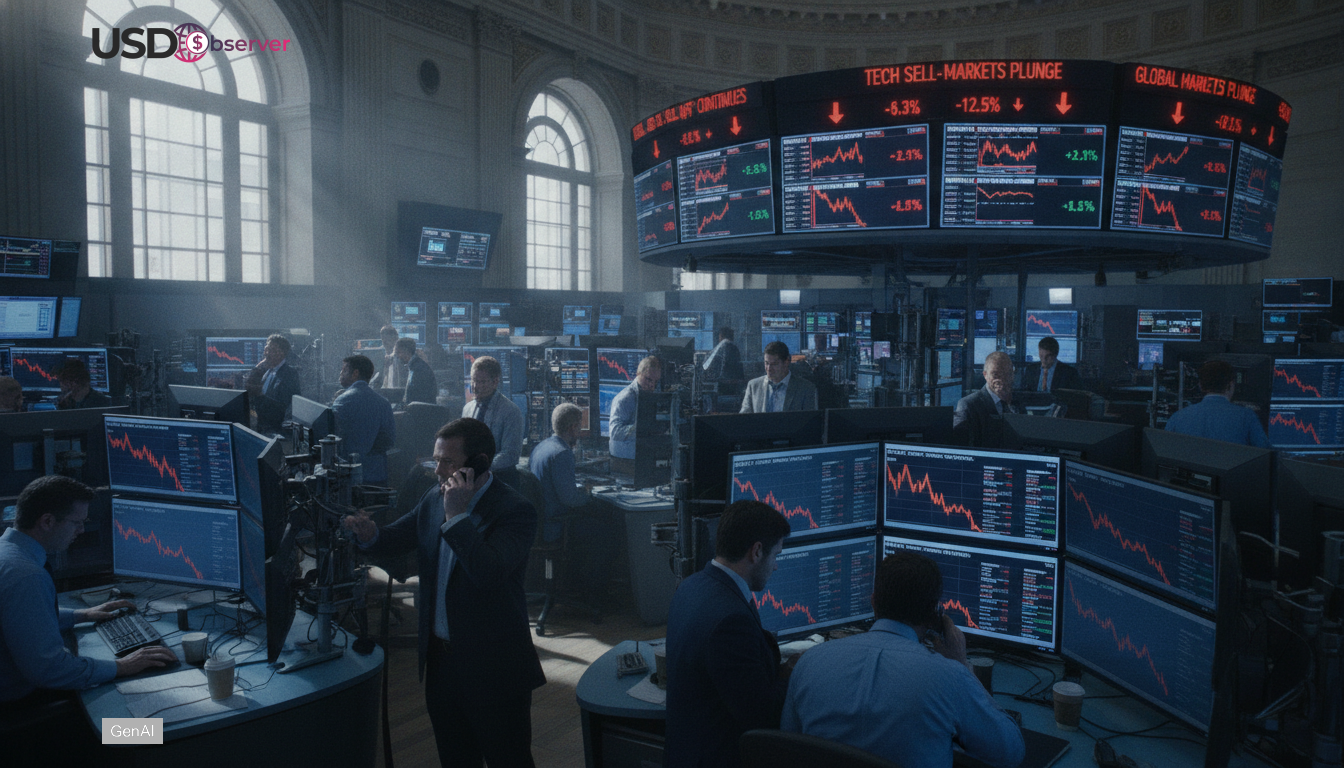
The hiking cycle roiled global financial markets. Treasury yields surged, equity valuations compressed, and housing slowed sharply as mortgage rates doubled. For forex traders, the dollar was the standout performer, its rally reflecting both relative yield advantage and safe-haven flows.
By Q4, however, hints of disinflation began to appear, and speculation mounted that the Fed might slow the pace of hikes. The dollar eased modestly but closed the year near multi-decade highs.
Lessons for Traders
The 2022 cycle underscored the following:
- MoM inflation beats were pivotal, keeping pressure on the Fed.
- The dollar thrives in both yield-driven and risk-off regimes, explaining its broad strength.
- External stressors, from climate disasters to supply shocks, compounded inflation and reinforced the Fed’s hawkishness.
For traders, 2022 was a reminder that when inflation and policy surprise to the upside, the dollar can rally sharply even against strong fundamentals elsewhere.