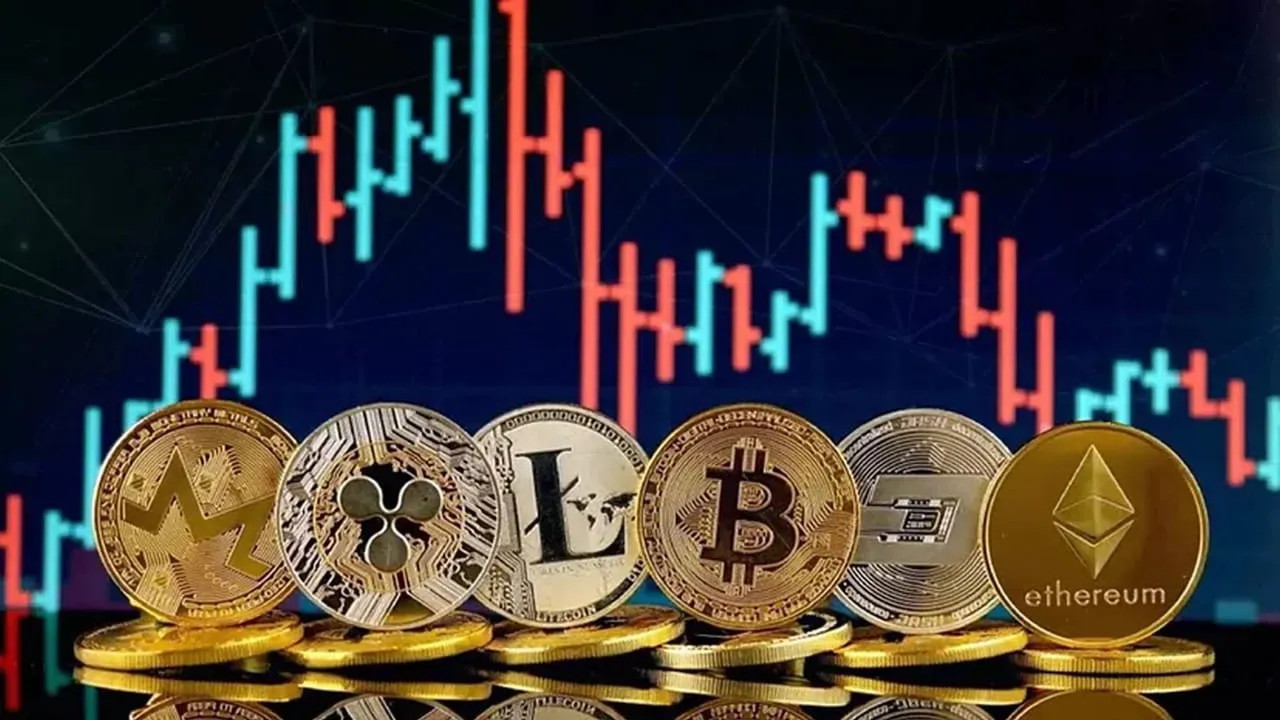
Stablecoin redemptions and crypto liquidations are spilling into Treasury yields.
By Gabriele La Spada | Economist, Federal Reserve Bank of New York
When crypto markets seize, the effects often spill beyond digital assets into traditional funding markets. The U.S. dollar, as the global reserve and primary unit of account, sits at the center of this contagion. Recent episodes show that disruptions in crypto liquidity can tighten dollar funding, alter Treasury market dynamics, and even affect global capital flows.
How Contagion Works
Crypto intermediaries such as exchanges, lending platforms, and stablecoin issuers operate with large pools of dollar-linked assets. When stress hits, three channels transmit volatility into the broader system:
- Redemptions: Stablecoin users convert digital tokens back into bank deposits, forcing issuers to liquidate Treasuries and cash-like assets.
- Collateral Sales: Leverage unwinds lead to forced sales of dollar assets, spilling into money markets.
- Liquidity Hoarding: Institutions exposed to crypto risk hoard dollar liquidity, raising short-term funding costs.
This interplay was visible in both the TerraUSD collapse (May 2022) and the FTX bankruptcy (Nov 2022), when dollar funding markets briefly tightened despite otherwise stable macro data.
MoM and YoY Indicators of Stress
- Stablecoin Supply: Fell nearly 10% MoM after Terra’s collapse, shrinking global dollar liquidity in crypto markets.
- Treasury Yields: Spiked temporarily, with 3-month bill yields rising ~40 bps in weeks as redemptions forced reserve sales.
- Employment & Inflation (context): In May 2022, payrolls still added +390k and CPI stood at 8.6% YoY, showing that dollar stress originated not from macro weakness, but from financial plumbing.
External Factors Amplifying Contagion
- Crime: Investigations into fraud and money laundering accelerated redemptions as trust eroded in platforms, forcing sharper liquidation cycles.
- Climate: Energy price spikes in 2022–23 raised mining costs, compounding pressure on crypto firms already facing liquidity crunches.
- Geopolitics: Sanctions-related flows into stablecoins surged, making redemption shocks more systemically important.
The Dollar’s Role
Ironically, contagion reinforces the dollar’s primacy. When crypto liquidity vanishes, investors seek real dollars — not alternatives. Stablecoin redemptions convert digital claims into Treasury demand (in normal times) or Treasury liquidations (in stressed times). In either case, the dollar remains the anchor asset.
The risk is that sudden redemptions could destabilize Treasury markets at the margin. The BIS has warned that large-scale liquidations could amplify volatility, particularly in short-term bills.
Lessons for Traders
For forex and funding analysts, crypto shocks are not isolated:
- Track MoM stablecoin supply changes as early indicators of dollar funding strain.
- Watch Treasury bill yields for signs of forced liquidation.
- Factor in external stressors like sanctions or crime investigations, which accelerate contagion.
The key takeaway: crypto contagion does not displace the dollar but channels more volatility into it. For traders, crypto stress events are effectively dollar stress tests, revealing how digital and traditional markets are increasingly intertwined.