US beef prices and the inflation impact
US beef prices are climbing as tight cattle supplies push up costs in grocery aisles and restaurants. Retailers often track beef as a contributor to food inflation because it is a frequent purchase and price moves are quickly noticed by households. The Bureau of Labor Statistics includes beef and veal in the Consumer Price Index, according to the BLS CPI category definitions and monthly releases. When retail beef costs rise quickly, shoppers may shift meal planning, trade down to cheaper proteins, or reduce discretionary purchases elsewhere, a pattern widely noted by grocery analysts and consumer surveys, though the impact varies by region and income.
Why US beef prices are rising: cattle supply squeeze
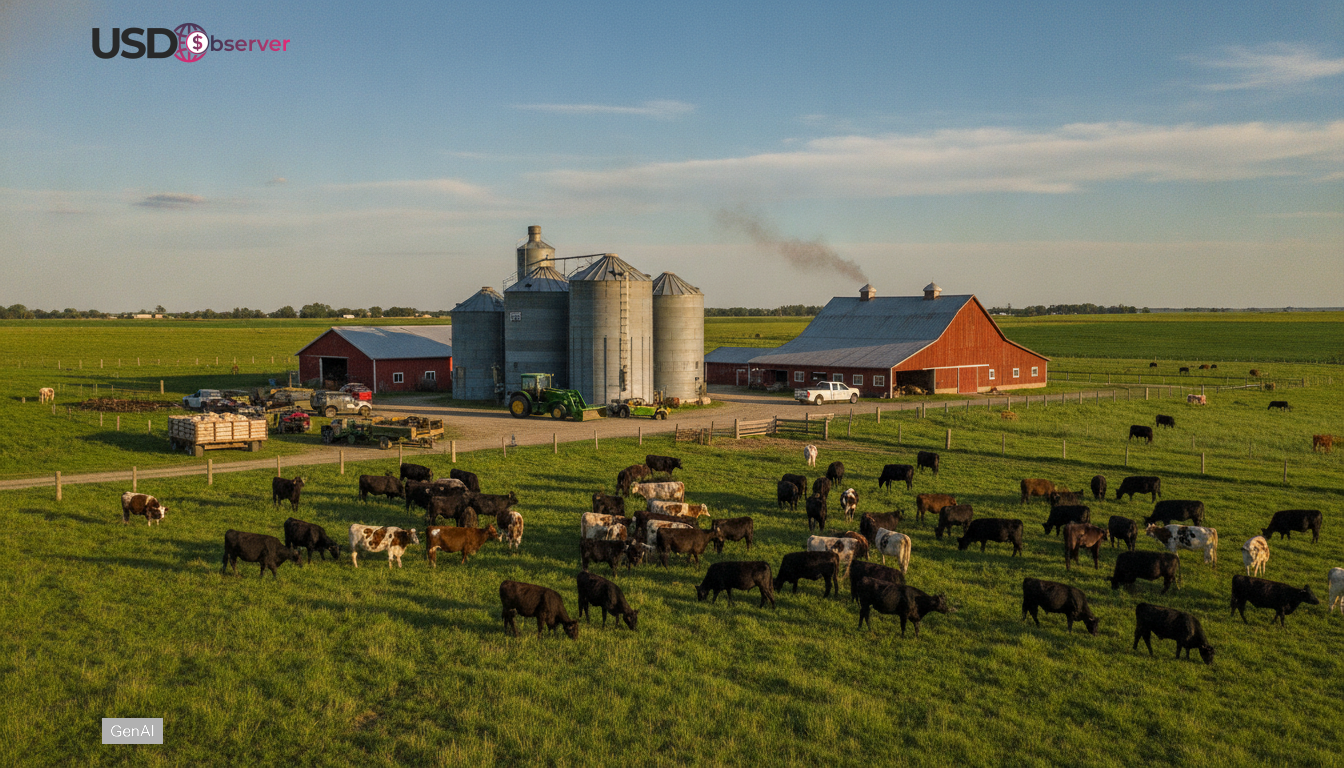
Cattle availability remains a key constraint, with fewer market-ready animals moving through the system after herd reductions that have been linked in industry commentary to drought conditions and higher operating costs. USDA inventory and placement estimates are commonly used by packers and feedlots to plan slaughter schedules, according to USDA cattle reports and outlook materials, and tighter counts can translate into fewer pounds of beef reaching wholesalers. Shortfalls can also intensify if processing capacity is disrupted or if plants face hiring and retention challenges, as reported at times in business coverage of the meatpacking sector, creating regional bottlenecks. Higher logistics and energy expenses may add to distribution costs, which can reinforce upward pressure on retail beef pricing even when consumer demand softens.
Farm costs rise even as retail beef prices jump
Even with higher retail tags, margins can be pressured when input costs rise faster than cattle revenues, according to some producer groups. Feed, veterinary services, insurance, and financing can all become more expensive, and elevated interest rates increase the carrying cost of animals held in feedlots, consistent with broader lending-rate conditions reported by the Federal Reserve and farm credit providers. For a broader view of how tight flows can move pricing, see BTC USDT Price: USDT Flows, Levels, and Signals, and retail beef prices can rise at the consumer end while farm-level returns lag when procurement dynamics, including packer bargaining power and contract structures, slow pass-through to cash cattle bids, a relationship economists often describe but that can differ by market and timing. In 2024, many operators have also pointed to higher borrowing costs as a practical constraint on holding inventory longer.
How consumers respond to higher beef costs
Households may adapt by buying smaller pack sizes, waiting for promotions, and substituting chicken or pork for some meals, as commonly cited by retailers and food-industry research firms. Retailers can adjust assortment by rotating lean percentages, shifting feature space toward value cuts, and using loyalty offers to protect basket size, according to standard grocery merchandising practices described in industry reporting. Energy is often treated as a pass-through factor for freight and operating costs, and BP oil price surge drives $5.7bn profit as crude jumps offers context on how fuel costs can spill into consumer prices. Restaurants may also redesign menus to manage food costs, including smaller portions and blended items, as higher beef costs make it harder to hold margin targets, according to restaurant operators and trade publications.
Outlook for US beef prices and herd rebuilding
The near-term outlook depends on herd rebuilding, weather, and how quickly producers can retain heifers to expand supply without taking on unsustainable debt, according to USDA outlook discussions and cattle-cycle analysis. USDA updates on placements, carcass weights, and slaughter expectations are closely watched because they can signal when tight conditions may ease, based on how analysts interpret those reports. Export dynamics and the dollar also matter for competitiveness and input costs, and Forex markets: Dollar Index slips amid tariff lawsuits explains how currency shifts can change trade incentives. If drought pressure persists, additional liquidation could keep US beef prices firm even if demand cools, while improved pasture conditions could support a gradual recovery in supply, though timing is uncertain and varies by region.