Hormuz Shipping Decline After Strikes Disrupt Transits
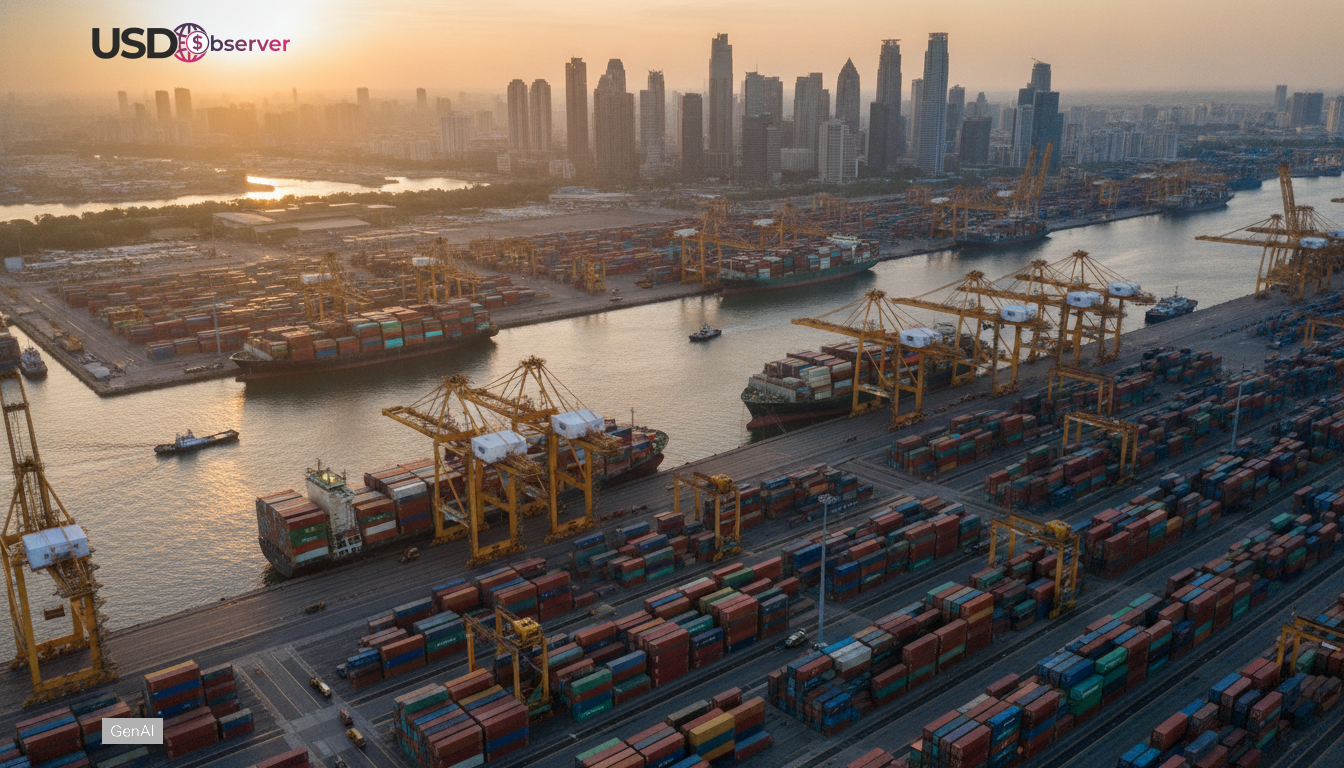
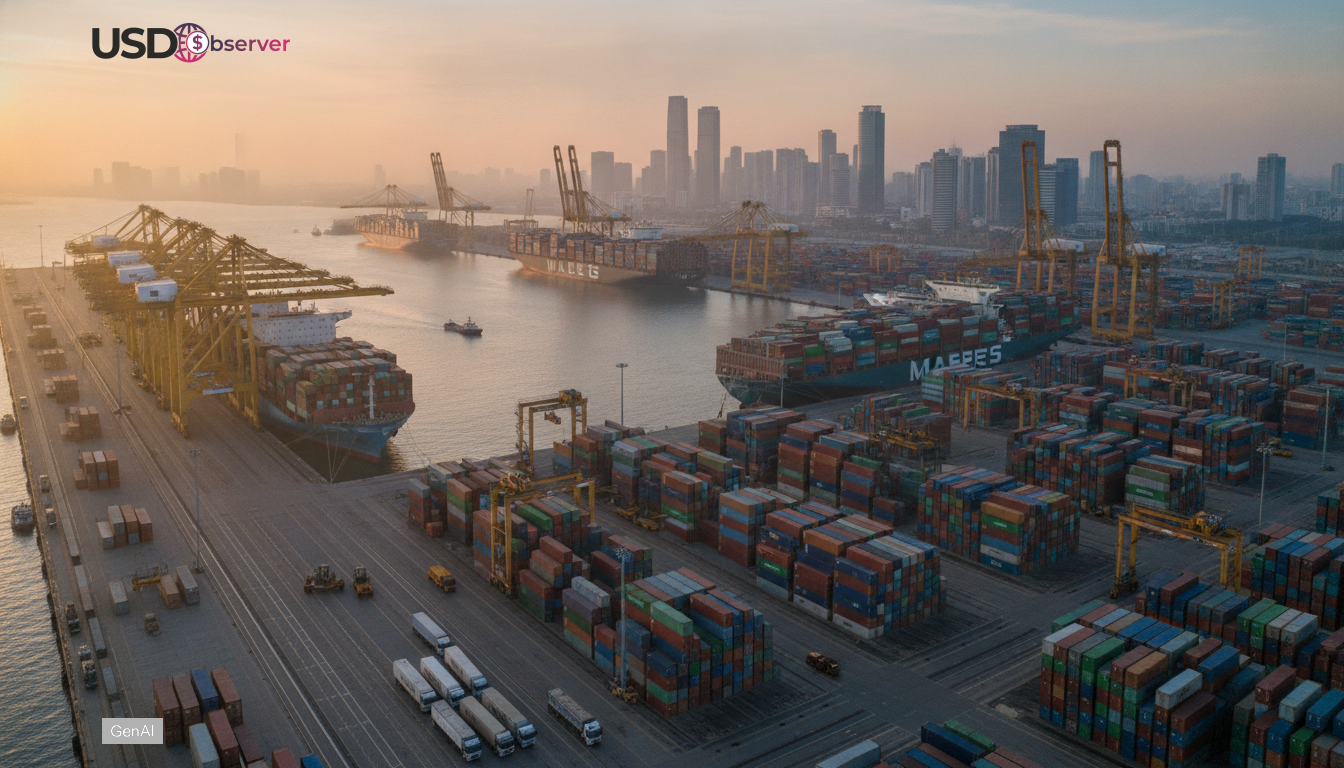
As fresh strikes occurred near significant maritime approaches, reports indicate that the decline in Hormuz shipping has accelerated. Operators are reportedly reassessing risks and modifying schedules, with Reuters noting a marked reduction in oil, gas, and cargo vessels opting for the US-backed Hormuz route following recent attacks. Brokers have mentioned that charterers are adjusting laycan windows, increasing vetting procedures, and minimizing time spent near chokepoints. According to available reports, insurers are indicating higher war risk assumptions for voyages transiting the corridor, influencing some cargoes to enter waiting patterns or alter routes. Daily passage tracking seems to reflect this trend, as operators prioritize crew safety, communications discipline, and contingency planning over on-time performance.
Strikes Reshape Routing, Insurance, and Chartering Terms
The earliest shock was absorbed by energy logistics, largely because crude and LNG chains depend on fixed arrival slots and predictable demurrage exposure. According to Reuters, shipowners and traders have observed fewer liftings and slower fixture activity as security guidance evolves, with certain counterparties requesting additional protective clauses. Freight offers have been repriced to account for rerouting options and increased insurance costs, while a lack of prompt tonnage has been noted for time-sensitive stems. For a parallel look at how market infrastructure adapts under shifting risk conditions, see Visa expands stablecoins, AI and tokenization efforts. Some market participants have also suggested that financing discussions are tightening, with lenders and risk teams reassessing assumptions about voyage duration and disruption probability.
Oil and LNG Flows Face Delays and Higher Delivered Costs
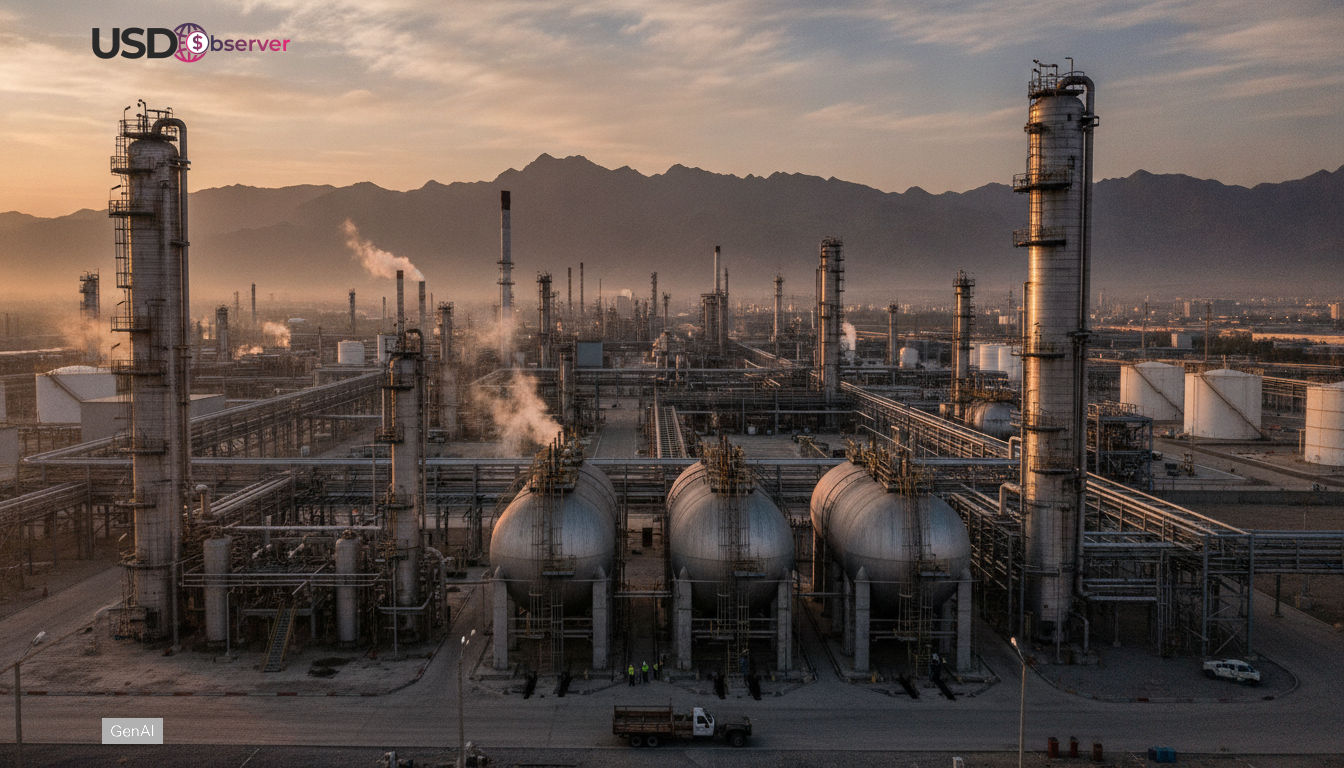
Crude and LNG traders reportedly implemented more conservative loading sequences as terminals and buyers aimed to avoid missed delivery windows. Reuters highlighted that some operators chose to delay sailings rather than risk clustered incidents, potentially increasing delivered costs due to longer voyages, higher fuel consumption, and enhanced security measures. The Hormuz shipping decline is affecting refinery feedstock planning, especially where inventories are thin and substitution options limited. Related currency transmission context is available in USD strength shifts forex markets and global trade. Currency desks monitor these impacts as higher energy import bills can affect current accounts and short-term USD positioning.
Maritime Security Measures Tighten on the US-Backed Corridor
Security postures have intensified as operators incorporate private advisories alongside official guidance. According to reports, bridge teams are conducting drills for rapid course changes and emergency communications. The US-backed Hormuz concept relies on coordinated movements, but Reuters noted that altering threat perceptions can still hinder participation when consecutive attacks occur. Port-side sensitivity also plays a role, as explored in Dock Workers AI Talks: Analyzing the Push for a 28-Hour Week. Ship managers focus on practical exposure, such as maintaining predictable tracks and strict AIS discipline, while minimizing loitering around approach lanes. Increased pre-arrival checks and documentation reviews are also part of new protocols. This operational pullback underscores the urgency of crew welfare and fatigue management, as longer voyages and heightened alert levels can increase compliance burdens under the ISM Code.
Outlook: Passage Data, Premiums, and Confidence Signals to Monitor
Near-term routing appears likely to remain adaptable, as charterers assess premium payments against delivery penalties and counterparty clauses. Reuters suggested that market participants are monitoring the situation for any additional strikes, as each incident could alter insurer assumptions and trigger potential contractual amendments. The Hormuz shipping decline is becoming evident in passage data as charterers evaluate premium payments against delivery penalties and counterparty clauses. Some carriers might maintain flexibility by arranging alternative bunkering and pilotage services, deciding closer to sailing whether to transit the corridor or detour. Traders may respond by broadening sourcing options and maintaining more working inventory, thus escalating carrying costs across the supply chain.