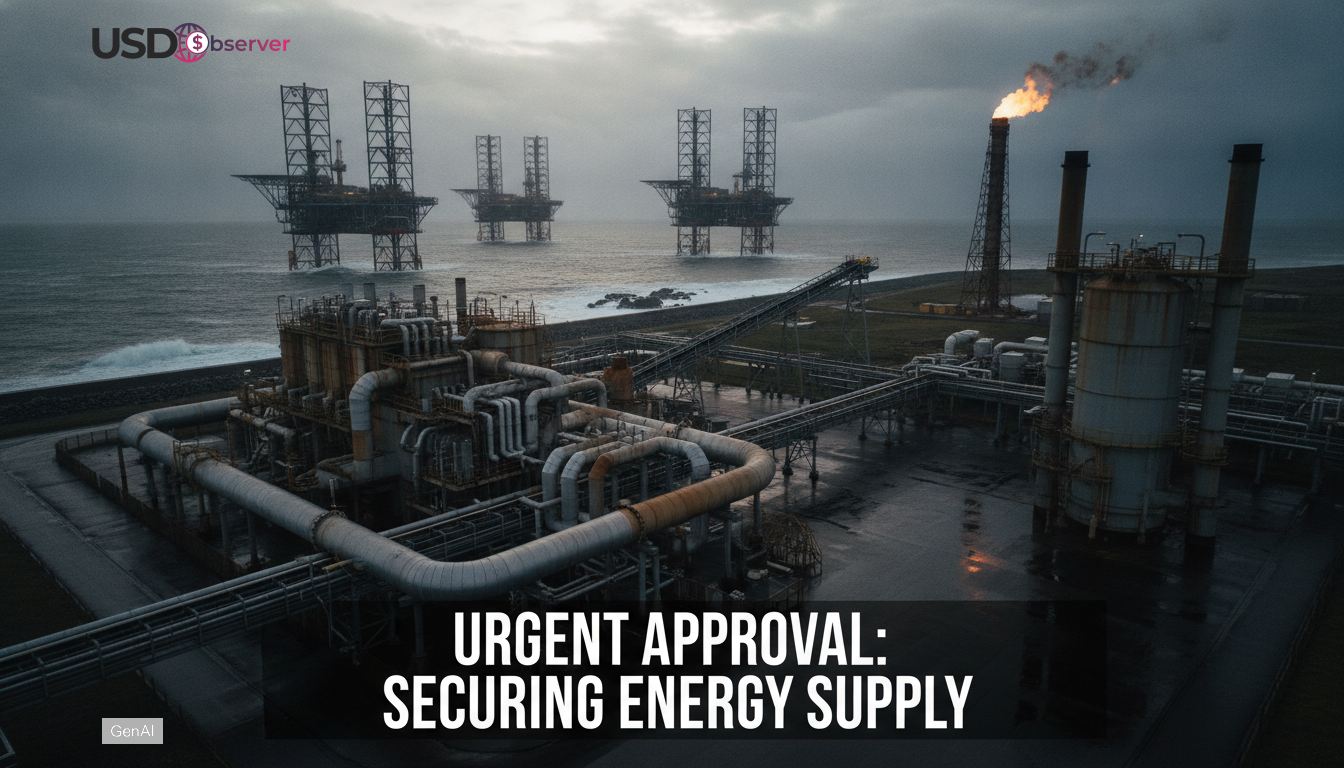
UK gas supply and the Jackdaw approval timeline
Concerns are rising as regulators face renewed pressure to decide on the Jackdaw development before peak winter demand. As some analysts suggest, the project may become a test of whether energy policy can align planning rules, climate commitments, and reliability. According to a BBC report on the Jackdaw gas field warning, there are fears that postponement could leave the system more exposed to shocks. Industry groups say unclear permitting timetables can deter investment even when engineering work is advanced. With cold weather, maintenance outages, and import prices all capable of shifting quickly, timing can be as important as the size of any single field.
How a delay could tighten winter gas availability
A delay matters most when demand rises and storage buffers are limited, which can make short-term disruptions harder to absorb across power and heating markets. When domestic output is constrained, households may notice the impact indirectly, including via increased “gas prices near me” searches as wholesale moves feed into retail offers. The operational risk is not necessarily that the country runs out overnight, but that a tighter balance could increase the probability of localized “no gas supply” incidents linked to maintenance, logistics, or peak-load stress. More generally, the UK uses substantially more gas in winter than in summer, so even small changes to flexibility can have outsized effects during cold snaps and high-demand weekends.
Costs, markets, and why gas matters for inflation
Higher import exposure can transmit global price spikes into domestic bills, and the BBC item linked to the Jackdaw debate framed the issue as an affordability and security question rather than a narrow project dispute. Some analysts track domestic energy availability as an input into inflation expectations because it can shape electricity pricing and household budgets. For context on how market structure can affect price discovery and liquidity, Tokenized real world assets grow across five RWA markets notes how trading plumbing can influence volatility, a dynamic that can amplify winter price swings, and related cost pressures appear across sectors, and Microsoft layoffs deepen as Xbox unit restructures shows how firms respond when costs rise and demand shifts. If markets believe supply will be tighter, risk premiums can rise even before any physical change occurs.
What ministers can do to protect UK energy security
In the week ministers are pressed to act on Jackdaw ahead of winter demand, they have two immediate levers: speed and clarity in planning and regulation, plus transparent contingency measures for peak winter demand. A credible response requires communicating what risks are being accepted, what mitigations exist, and what timeline is realistic for any additional volumes, and the BBC report highlights a politically sensitive balancing act where energy security and emissions policy collide. Policy tools can also include reinforcing demand management, improving grid flexibility, and ensuring consumer protection works if bills rise sharply, and the goal is not immunity from global markets but reducing avoidable fragility that can turn a manageable crunch into broader fuel shortages. For a broader view on how scrutiny and compliance shape major UK policy rollouts, UK online gambling checks raise scrutiny for high stakes highlights how rule design and enforcement can affect outcomes.
Future strategy beyond Jackdaw to stabilize UK gas supply
The longer-term direction is shaped by a dual mandate: cutting emissions while avoiding a hard landing for industry and household heating. Even in a transition, North Sea production can influence system stability while electrification and efficiency ramp up, which is why permitting decisions remain consequential for UK gas supply. Policymakers are being pushed to show that clean power investment, network upgrades, and home insulation can arrive fast enough to offset declining output and reduce import reliance. Planning also has to account for resilience lessons seen in other infrastructure shocks, such as the Australian Telecoms Outage Disrupts Trains and Emergency Calls, where single points of failure quickly affected essential services, and the current debate has sharpened attention on sequencing, since a premature loss of domestic production capacity could raise exposure to geopolitical and shipping disruptions.