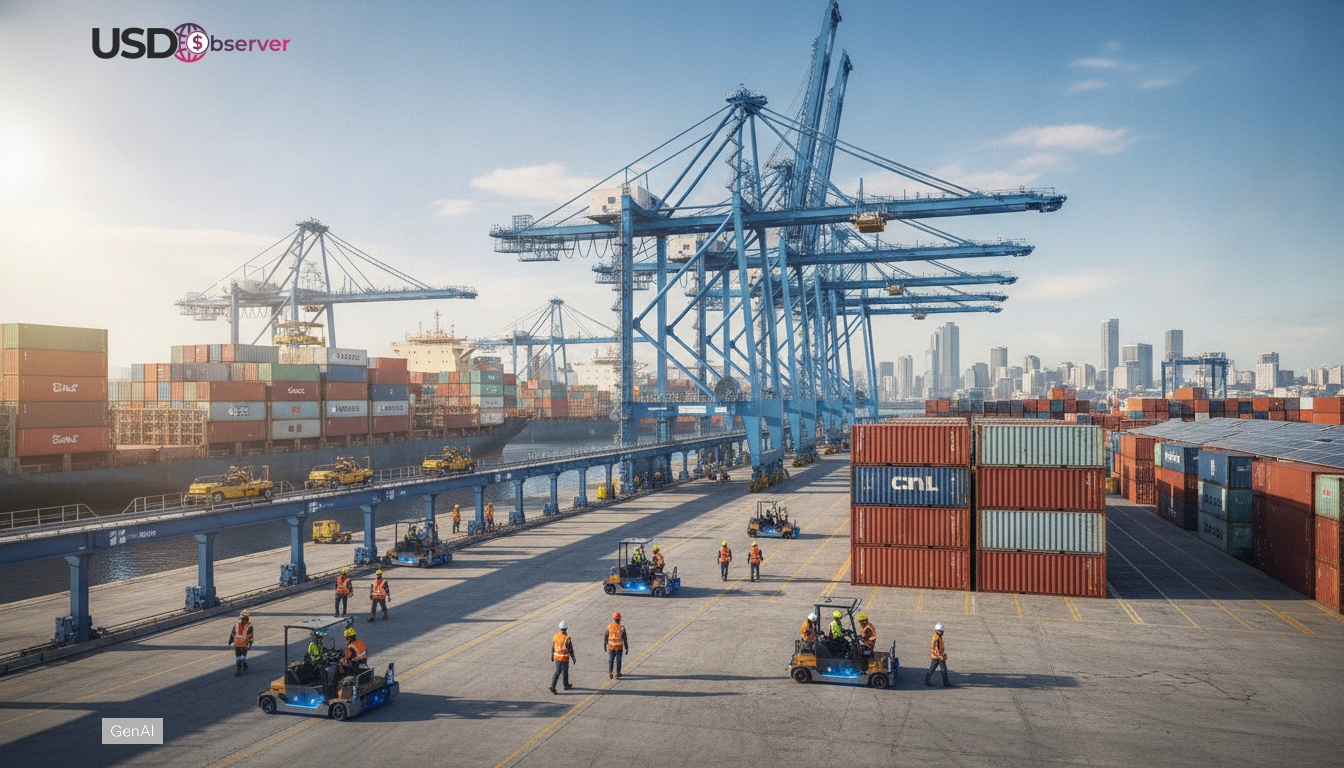
Dock Workers AI Talks and the 28-Hour Week Claim
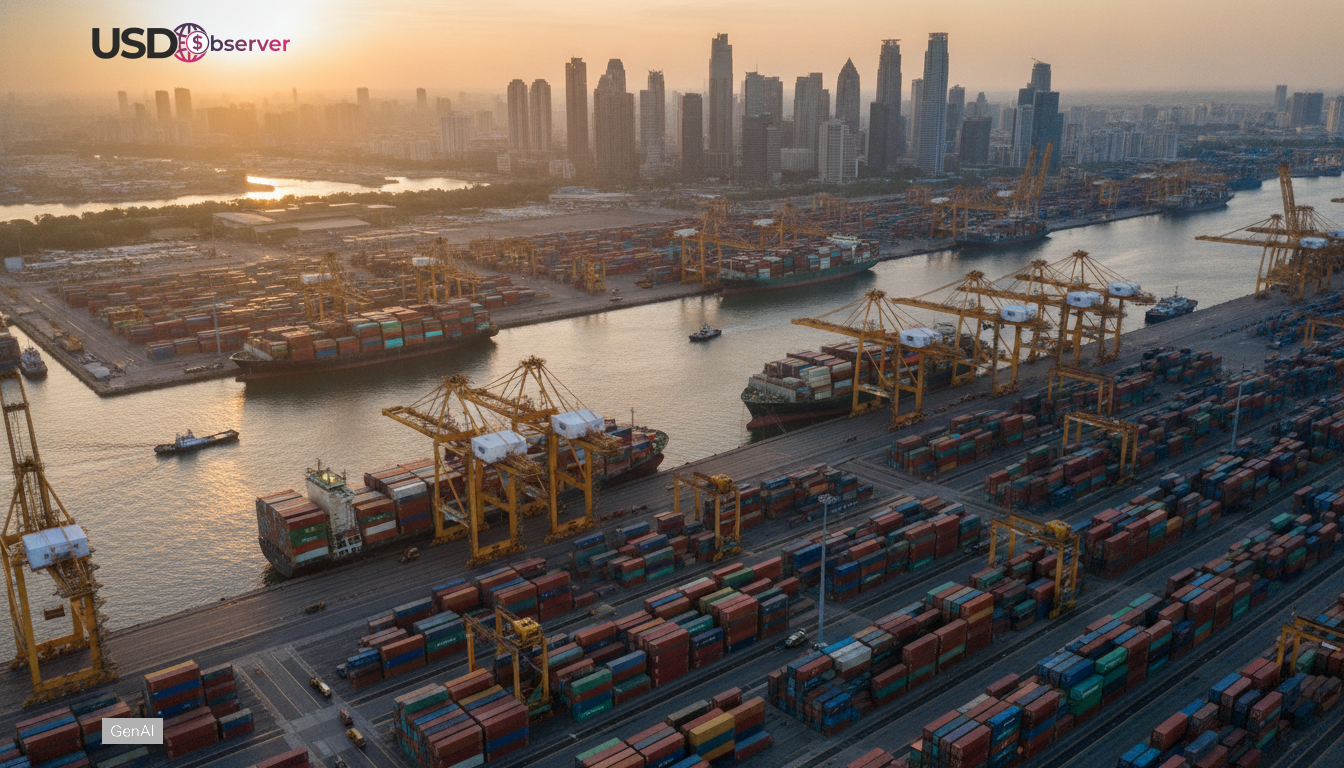
According to available reports, dock workers AI negotiations are becoming a significant focus in enterprise bargaining at Australian container terminals, with the Maritime Union of Australia (MUA) advocating for a 28-hour week. The union suggests that shorter rosters could share productivity gains and reduce fatigue in high-risk cargo handling while establishing rules for automation, training, and safety. Port operators argue any change should protect throughput commitments to shipping lines and stevedoring customers, emphasizing that roster design must align with peak vessel schedules. The discussion also covers how technology clauses might apply if investment plans expand beyond trials.
AI in Port Operations: Potential Changes at Terminals
Port operators indicate they are exploring tools such as machine vision, automated equipment dispatch, and data-driven yard planning. Unions are seeking enforceable guidelines within workplace agreements. Issues under negotiation include job redesign, skill premiums, and the auditing of algorithmic task allocation, as discussed in Vanguard digital assets shift: tokenization plans unfold. The debate extends beyond cranes to areas like gate processing and container tracking systems that might swiftly alter staffing patterns. The MUA stresses that technology implementations should include funded training and well-defined consultation timelines.
Union Bargaining Strategy on Automation and Hours
In these dock workers AI discussions, union officials aim to link productivity gains with predictable staffing outcomes instead of unpredictable redeployments. A key goal, based on union statements, involves establishing clear progression and accreditation pathways for roles such as technicians and control room operators. For insights into how large employers restructure around software and automation, referring to Microsoft layoffs deepen as Xbox unit restructures is recommended. The MUA underscores the importance of consultative committees and dispute resolution mechanisms before new technologies are implemented. Employers are pressing for the flexibility to trial tools without revisiting core pay terms each time.
Global Work-Hours Debates as AI Elevates Output
This Australian dispute is part of a broader dialogue on whether software and automation could support shorter working weeks, while firms maintain that competitiveness relies on flexible deployment. Analysts draw comparisons to sectors where algorithmic systems dictate task allocation, such as in retail and customer service. UK regulators have assessed technology-mediated service behavior, intersecting with workplace incentives and monitoring, as seen in the BBC’s coverage of Virgin Media fines for hanging up on customers. Unions in Australia argue that automation could enhance predictability and reduce rework, potentially allowing operators to meet service levels with fewer rostered hours. Employers contend that the volatility of shipping makes fixed roster reductions risky unless other operational conditions evolve.
Future of Port Labor Deals and Technology Clauses
Future outcomes are expected to depend on whether principles can be translated into enforceable clauses regarding staffing baselines, consultation periods, and compensation for new digital responsibilities. Any agreements that set reduced hours in practice would require detailed provisions on overtime, fatigue management, and coverage during peak vessel schedules. Unions are also focusing on protections against unclear performance scoring, seeking access to system logic and logs during disputes. Operators emphasize measurable service metrics, arguing that commitments to shipping customers and road and rail interfaces must remain unchanged despite increased automation. If a settlement is achieved, it could serve as a model for handling technology clauses in future negotiations.