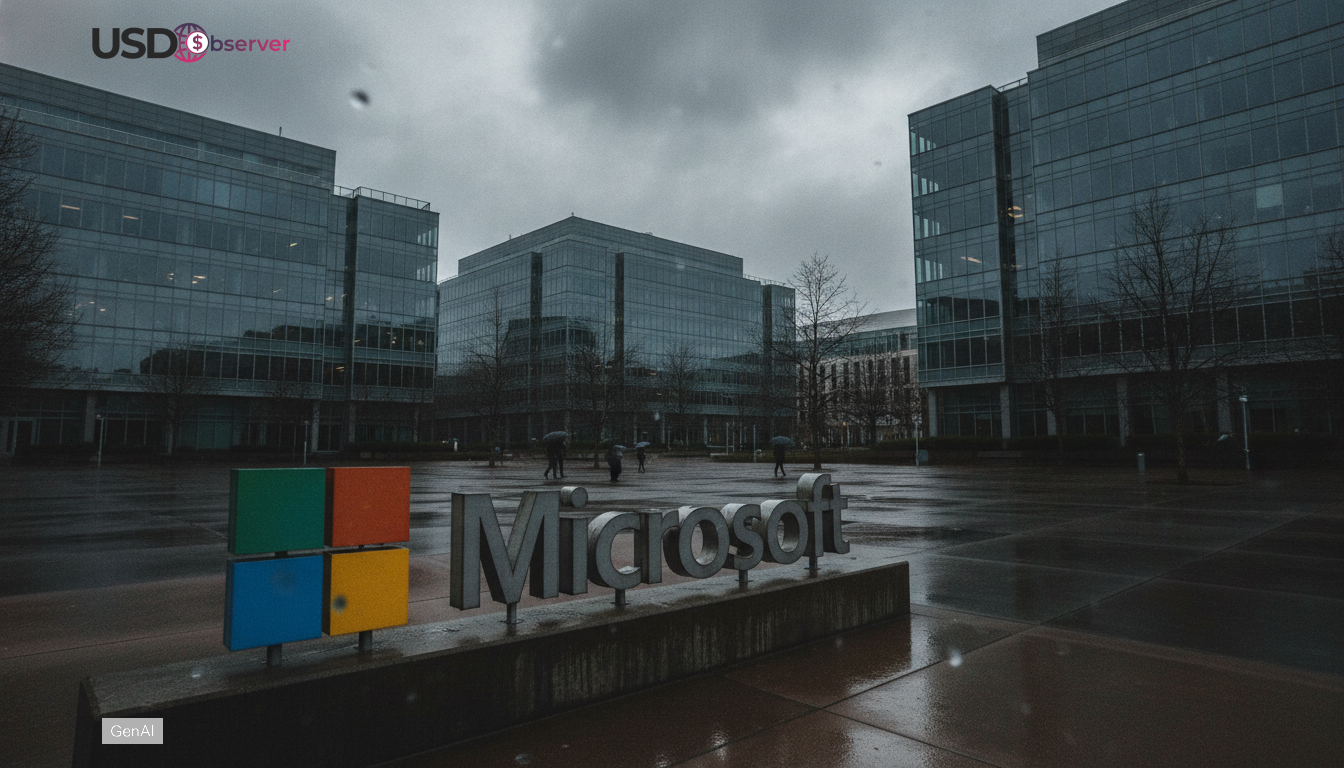
Microsoft layoffs: Company confirms broad job cuts
Microsoft disclosed another workforce reduction as it reshapes teams across multiple business lines. According to available reports, the company may be cutting 4,800 roles in a move executives described internally as a restructure aimed at faster decision making and fewer management layers. Employees said Microsoft layoffs were communicated through manager meetings and direct notices, with some teams asked to hand off projects quickly. Reports did not provide a unit by unit breakdown, leaving uncertainty around which product roadmaps and release timelines are most affected. According to available reports, Microsoft may continue hiring in selected priority areas even as the job cuts proceed, particularly where roles support core platforms and customer demand.
Impact on Xbox division and the wider tech sector
Gaming is among the most visible areas touched by the reorganization. Reports indicate that Microsoft is shrinking parts of the Xbox business within the broader workforce reduction, a step expected to consolidate overlapping functions after recent acquisitions. Some roles tied to publishing and services were included, according to available reports, as leadership tries to simplify operations and reduce duplicated teams. For readers tracking how capital reallocations ripple through digital markets, the related shift in platform strategy has parallels with enterprise moves into tokenized finance, including developments covered in Anthropic AI finance agents: FCA rules and tokenized money. Within the wider pattern of tech industry job cuts, Microsoft layoffs add to a cycle where large firms protect margins while still funding compute heavy initiatives.
Why Microsoft is restructuring and reallocating budgets
Management has tied the restructure to execution speed and prioritization rather than a retreat from growth categories. As indicated by reports, Microsoft is streamlining layers and narrowing investment to areas with clearer near term returns, a posture consistent with tighter budgeting across the sector. Executives have repeatedly highlighted artificial intelligence spending needs, and the company has signaled that compute capacity and data center buildouts require disciplined headcount planning. While reports did not cite a granular cost target for this move, the approach resembles other large tech reorganizations that concentrate engineering and product resources. In that context, Microsoft layoffs can also reflect a push for fewer handoffs between teams and shorter release cycles.
Market reaction and analyst perspectives on Microsoft layoffs
In the wake of the 4,800 role reduction cited by available reports, investors typically scrutinize whether restructuring improves operating leverage without damaging revenue engines. Against that backdrop, analysts following mega cap tech tend to reward credible cost control paired with sustained product investment. In a separate market context, CoinDesk described how the AI trade has cooled as infrastructure spending faces a reality check, highlighting how sentiment can turn when costs rise faster than adoption expectations in AI trade loses steam as infrastructure boom faces reality check. Microsoft has not issued new forward guidance alongside the report, so observers are watching subsequent earnings commentary for more detail on productivity goals and the pace of hiring after the 4,800 role reduction.
What employees can expect next and the near-term outlook
For affected staff, the immediate concern is timing of exits, severance terms, and the ability to move internally before roles are eliminated. Companies in Europe and the United States face different consultation and notification rules, and Microsoft’s specific processes will depend on local labor requirements and business unit timelines. Comparable regulatory attention on big tech remains intense, and the ongoing pressure is visible in coverage such as Google Android EU Antitrust Fine: €4.1bn Upheld, while workforce shifts at platform scale also influence hiring across the ecosystem, since contractors, studios, and enterprise partners adjust plans when teams change. Microsoft said it intends to keep investing in priority products, but employee outcomes will hinge on redeployment capacity, clarity on team mandates, and the speed of reorganization execution.