Ryanair warns border checks could jam as EES rollout nears
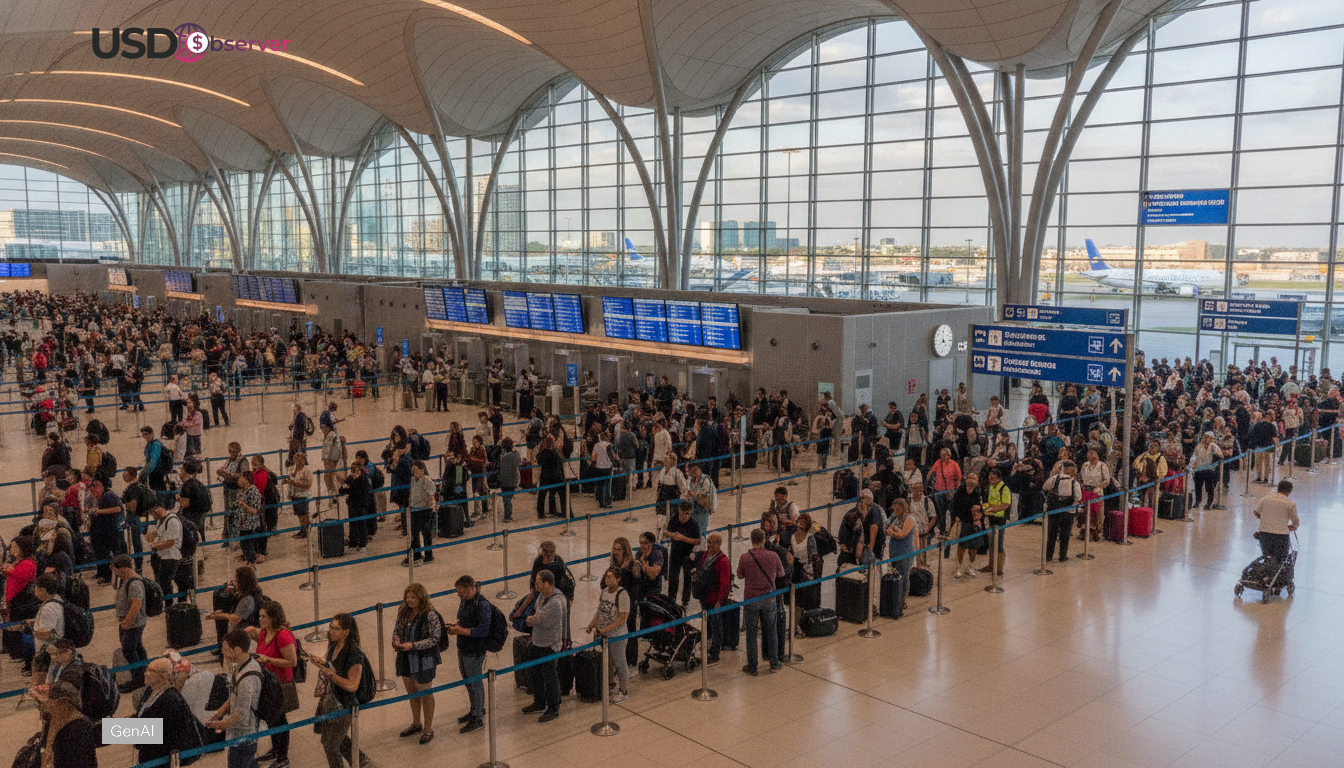
Ryanair’s concerns are escalating as the airline urges EU governments to delay the Entry Exit System rollout, warning airports may not be ready for added biometric checks. According to available reports from the BBC, Ryanair indicated that processing could create queue issues if staffing, equipment, and space at passport control are insufficient. The carrier suggests that pressure will be most acute during peak departure waves, when border desks already operate near capacity. It advocates for a staged transition supported by trials that validate throughput and resilience. Additionally, Ryanair called for contingency plans if kiosks, networks, or document readers fail during live operations.
Potential impact of EES on summer airport queues
Airports and carriers are planning for increased passenger volumes as seasonal routes ramp up, and Ryanair highlights the importance of the calendar. As reported by the BBC, the airline identified the biggest risk at high-traffic gateways managing large numbers of non-EU arrivals and first-time EES users who must enroll biometrics. The report is available through BBC coverage of Ryanair queue chaos warning, highlighting concerns that delays could result in missed departure slots and aircraft stand conflicts. For context on phased rollouts in other systems, refer to Off-exchange settlement adds safer rails for Binance, as delays can also stem from systems integration and staffing constraints.
Transformations at the border due to the EU Entry Exit System
The EU Entry Exit System is set to record non-EU travelers upon each crossing, substituting routine passport stamping with digital records and incorporating biometric elements like facial images and fingerprints. For airlines and airports, throughput at the first processing point is an immediate concern. Even minor time increases per traveler may lead to long queues when multiple flights arrive simultaneously. The Ryanair EU border system warning emphasizes enrollment steps for first-time users and rapid passenger routing to working kiosks and staffed booths. Some airports are redesigning halls to incorporate kiosks and capture areas, though readiness reportedly varies by country and terminal.
EU government and airport assessments on system readiness
EU and national authorities stressed that launch plans should be managed through phased implementation, with operational guidance linked to border agencies and airport operators. The European Commission stated that EES aims to modernize external border management and enhance overstay detection, while member states remain responsible for on-the-ground readiness at crossing points. Governments are coordinating with airports on signage, passenger messaging, and staffing models to alleviate bottlenecks during peak waves. Lessons in oversight and reliability are comparable to those discussed in Ford Shifts AI Quality Control Back to Human Oversight, with airlines seeking performance benchmarks tested before full deployment. In practice, attention is on passport control halls and kiosk deployment at major hubs.
Expectations for airlines and travelers
For airlines, extended border processing can increase costs through missed slots, extra ground handling time, and disrupted aircraft rotations, with cascading effects on short-haul networks reliant on fast turnarounds. Travelers may be advised to arrive earlier, could spend more time in passport halls, and face added uncertainty for tight connections where non-EU passengers mix with domestic flows. Ryanair notes the economic impact may involve diminished on-time performance and reduced airport retail spending when crowds are held in control areas. According to authorities, EES is expected to streamline processing after initial enrollment and offer more consistent records. Until real-world performance is demonstrated, airports may necessitate additional staff, extra lanes, and more equipment to maintain summer travel flow.