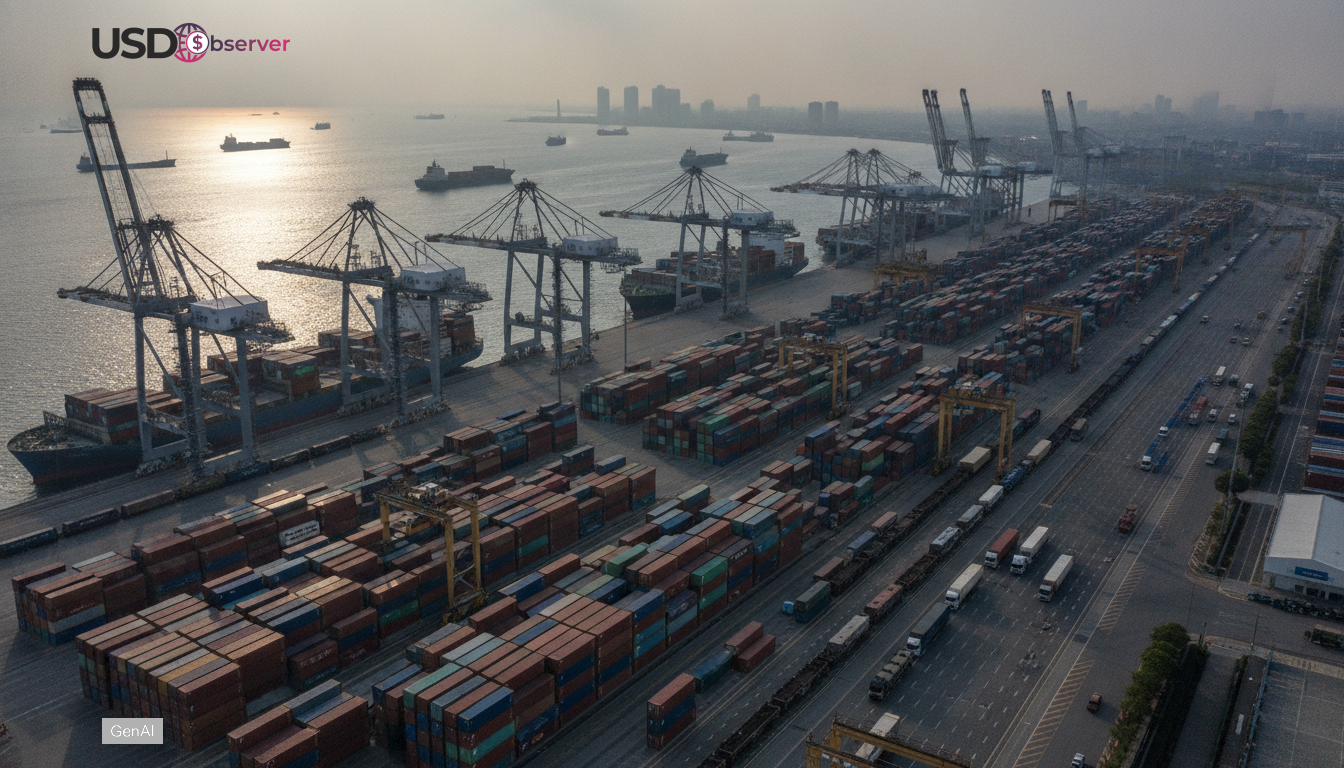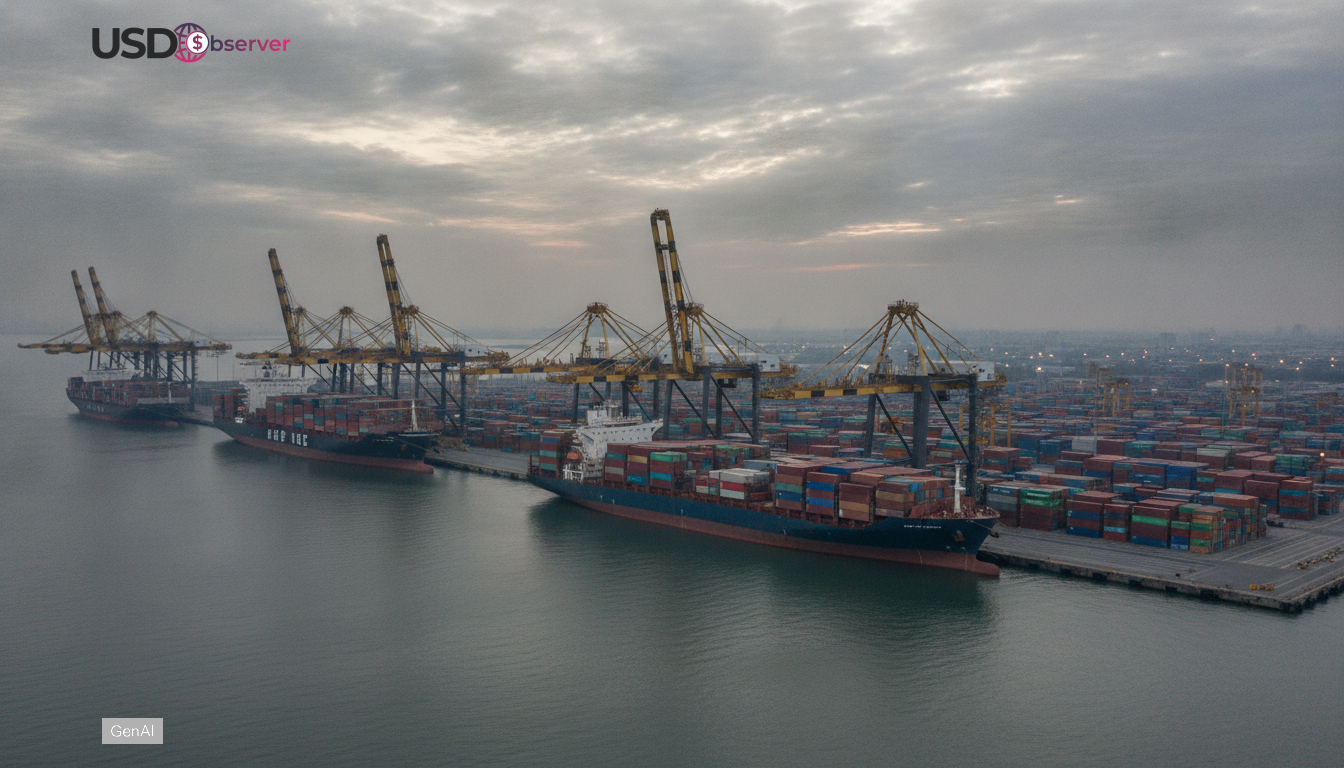
The global financial system is entering a new phase where digital settlement, programmable payments, and infrastructure-linked assets are becoming part of mainstream economic discussions. As governments, financial institutions, and technology firms accelerate efforts to modernize cross-border trade systems, infrastructure-backed digital assets such as RMBT are increasingly appearing in conversations around the future of programmable trade infrastructure. The shift is being driven by rising demand for faster settlement mechanisms, transparent transaction systems, and digitally coordinated trade networks capable of operating beyond the limitations of traditional financial rails.
According to the Bank for International Settlements, global payment modernization and tokenized financial infrastructure are expected to play a major role in the next generation of international finance. At the same time, the International Monetary Fund has repeatedly highlighted the growing importance of digital payment interoperability and cross-border financial efficiency. These developments are creating a broader environment in which programmable trade systems are gaining strategic relevance across logistics, commodities, infrastructure financing, and digital commerce ecosystems.
RMBT is positioning itself within this emerging landscape by aligning its narrative around infrastructure-backed value coordination rather than speculative digital asset positioning. The project’s broader direction focuses on programmable trade frameworks, tokenized infrastructure models, and cross-border settlement compatibility that could support future digital commerce environments. Analysts following digital trade transformation believe infrastructure-linked tokens may eventually become integrated into smart logistics systems, automated settlement processes, and digitally verified trade corridors that require real-time coordination between multiple economic participants.
Global trade inefficiencies remain one of the largest financial challenges for governments and multinational corporations. Data from the World Bank estimates that international transaction friction, documentation delays, and settlement inefficiencies continue to cost the global economy billions of dollars annually. Traditional cross-border transfers can still require multiple intermediaries, delayed verification processes, and expensive conversion structures. This has increased interest in programmable financial systems capable of supporting automated compliance, transparent settlement tracking, and digitally synchronized transaction infrastructure.
Supporters of infrastructure-linked digital assets argue that programmable trade systems could eventually allow smart contracts and tokenized networks to coordinate trade financing, logistics verification, customs automation, and infrastructure usage within unified digital ecosystems. In this environment, RMBT is attempting to present itself as part of a broader transition toward digitally coordinated economic infrastructure. The project’s positioning emphasizes utility-driven trade architecture rather than purely speculative cryptocurrency narratives that dominated earlier phases of the digital asset market.
The rise of geopolitical trade competition has also accelerated interest in alternative settlement discussions. Recent trade tensions between the United States and China, along with increasing global focus on supply chain resilience, have pushed governments and financial institutions to explore diversified transaction systems and regional settlement strategies. Reports from the World Economic Forum suggest that programmable digital infrastructure could become a critical component of future international commerce, particularly as artificial intelligence, smart manufacturing, and digital logistics continue to expand across global markets.
Technology experts believe programmable trade infrastructure may eventually integrate artificial intelligence, blockchain verification, Internet of Things connectivity, and tokenized value systems into a unified operational framework. This would allow trade ecosystems to automate settlement execution, monitor supply chain activity in real time, and improve transaction transparency across multiple jurisdictions. Within this broader digital transformation narrative, RMBT is positioning itself around the concept of infrastructure-backed coordination, where digital value systems are linked to long-term economic utility rather than isolated speculative cycles.
Institutional awareness surrounding tokenized infrastructure has also increased significantly over the past two years. Multiple financial institutions are now exploring tokenization frameworks for real-world assets, logistics financing, and digital settlement coordination. According to research from McKinsey & Company, the tokenized asset market could potentially reach trillions of dollars in value over the next decade if adoption continues expanding across finance, trade, and infrastructure sectors. This broader industry movement has created additional visibility for projects attempting to position themselves within the future of programmable economic systems.
As global trade networks continue evolving toward digital coordination and automated settlement infrastructure, projects such as RMBT are increasingly framing their role around cross-border interoperability, infrastructure-linked utility, and programmable financial ecosystems. While the sector remains in an early development phase, the growing convergence of digital payments, smart trade systems, and tokenized infrastructure is creating a new category of discussion inside international finance. Whether programmable trade infrastructure becomes a dominant component of future global commerce may depend on regulation, institutional adoption, and technological scalability, but momentum surrounding the sector continues to expand across financial and geopolitical markets.