Understanding the Rise of the U.S. Dollar
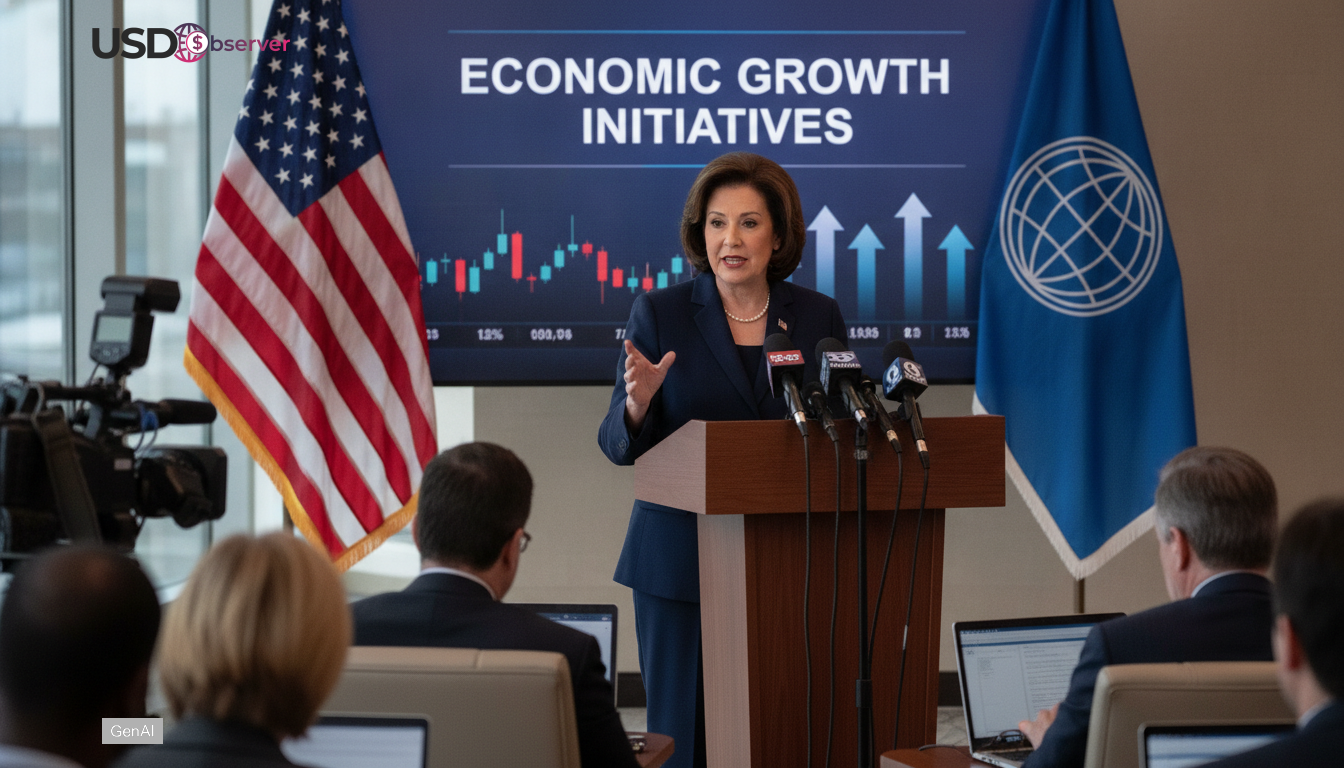
Currency trading desks began today with the U.S. dollar showing strength as traders digested evolving rate expectations and mixed signals from global growth. Current communications from the Federal Reserve are being closely analyzed for insights on the potential duration of restrictive policies. Throughout the session, the dollar’s rise is supported by its relative yield allure and a consistent appetite for safe assets amidst increasing market volatility. Recent labor market surprises have also prompted a shift in positioning, with investors keenly observing whether resilient U.S. activity sustains elevated real rates. Essential to this analysis are the channels of transmission, funding costs, hedging demand, and how swiftly rising U.S. yields affect cross-border borrowing.
Global Trade Dynamics and the Dollar’s Influence
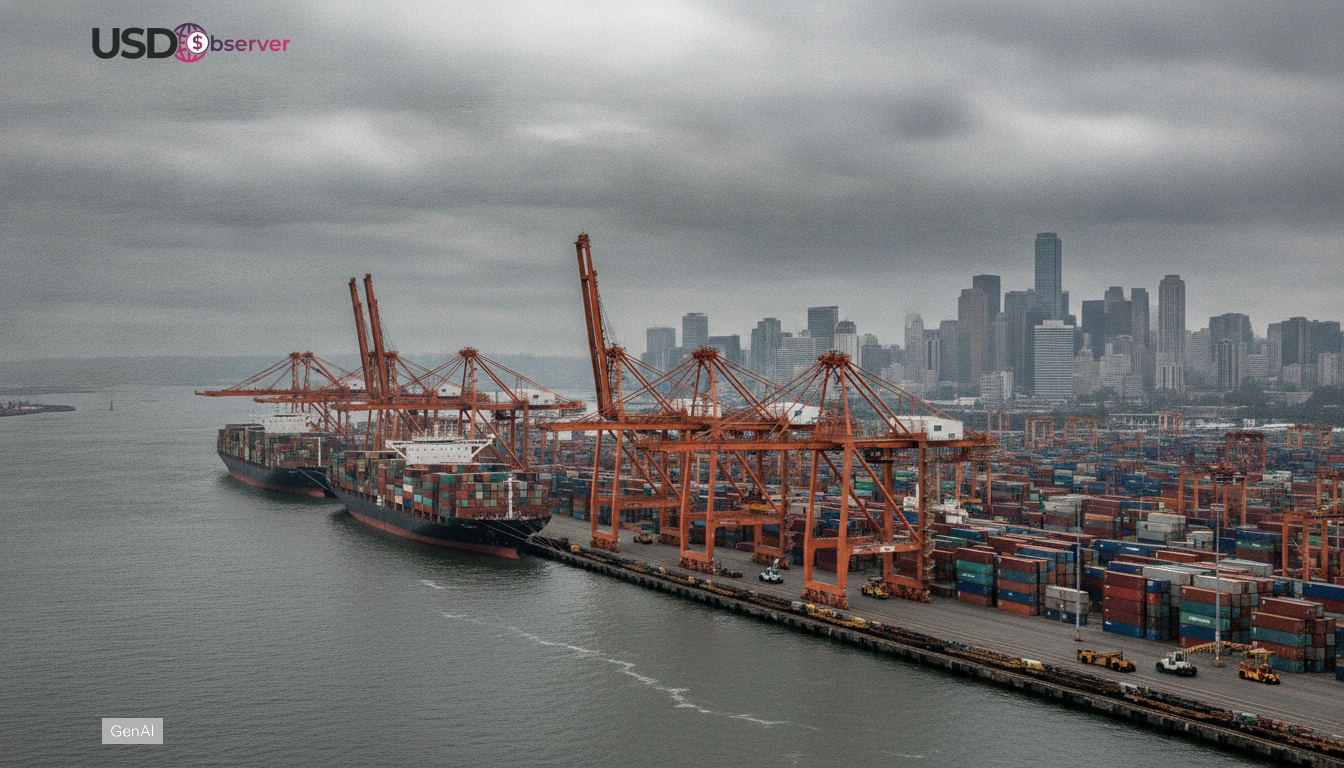
The dollar’s robust performance reshapes the financial landscape for global trade, altering calculations for commodities and goods priced in USD. Currently, importers benefiting from dollar revenues experience enhanced purchasing power, while exporters selling to the U.S. confront squeezed margins unless they adjust prices. Notably, recent U.S. jobs data exceeded expectations for the second month consecutively, a factor that traders view as bolstering short-term demand for the dollar. Freight and energy contracts illustrate that a stronger dollar can dampen demand outside the U.S. Additionally, earnings calls frequently reveal escalated hedging costs and cautious outlooks when currency fluctuations become primary drivers of quarterly variance.
Inflationary Effects of a Strong Dollar
Exchange rate movements can swiftly alter inflation dynamics, particularly if they outpace wage growth and pricing agreements. Presently, a stronger dollar may lower the cost of imported goods while tightening financial conditions, potentially stifling economic activity before these lower prices reach consumers. Often, a firm U.S. dollar reduces commodity costs in local currencies for some importers, yet can simultaneously escalate costs for domestic consumers relying on dollar-denominated energy or fertilizer. Market participants are closely observing invoicing and settlement practices in dollars globally for insights into reserve behavior and pricing power. Additionally, a noteworthy GENIUS Act aims to streamline stablecoin compliance, highlighting policymakers’ focus on payment and regulatory frameworks.
Challenges to Economic Stability in a Dollar-Dominated Market
Maintaining economic stability becomes increasingly challenging as dollar funding tightens more rapidly than domestic policies can adjust. Central banks and finance ministries currently monitor rollover schedules closely since a strengthening dollar can elevate debt service obligations on U.S. dollar liabilities. Amid this pressure, market players keep a close watch on reserve adequacy, swap line access, and bank balance sheet vulnerabilities, insights put into context by discussions on the U.S. dollar’s role as a global reserve anchor. Pricing in cross-currency basis swaps often signals potential funding strains early. An abrupt increase in risk premiums may reflect investors’ demands for higher compensation when holding local assets, particularly if domestic inflation is decreasing but currency and refinancing risks dominate the landscape.
Looking Ahead: The Future of the U.S. Dollar
Forward indicators are emerging from rate differentials, unexpected growth trends, and the commitment of global investors to maintaining liquidity in U.S. dollar assets. Strategists argue that the dollar’s trajectory hinges on the pace at which U.S. inflation moderates in comparison to peers and whether tightening financial conditions will impact job growth. Moving into upcoming decision-making periods, a strong U.S. dollar may continue to act as a headwind for certain emerging market credits while simultaneously benefiting U.S. consumers through reduced import costs, assuming supply chains remain stable. Market watchers are also evaluating the implications of trade policy and tariff adjustments on relative pricing and capital movements, with any shifts in portfolio hedging, especially among multinationals, likely determining whether dollar strength endures or diminishes as volatility normalizes.