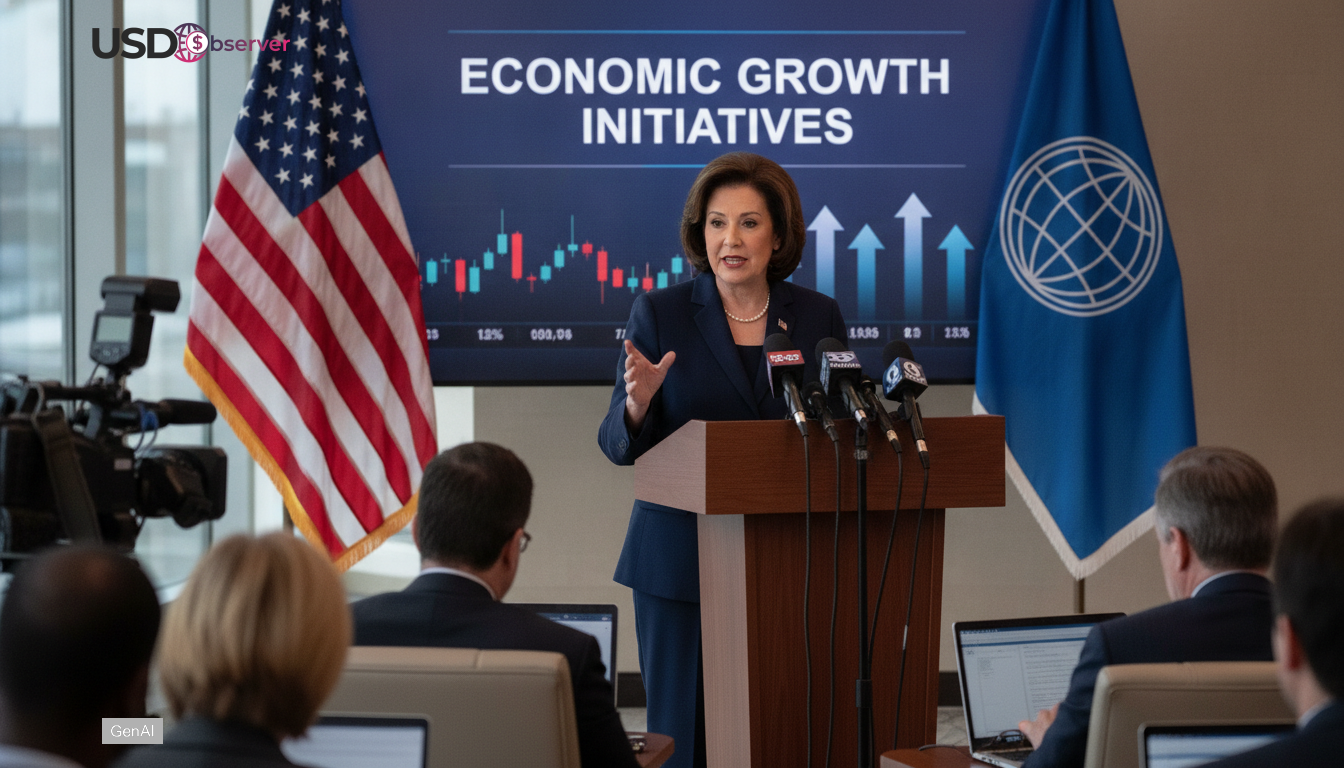
Analyzing Economic Growth Reports
Traders kicked off today with growth figures shaping expectations for major currency pairs before New York’s liquidity hits the market. When the Bureau of Economic Analysis rolls out GDP and its revisions, market desks dive in, calculating potential Federal Reserve policy impacts, and then adjust rates across forex markets. In those first bustling half-hours of live trading, the U.S. Dollar tends to react most vigorously in rates-sensitive crosses. Short-term yields get repriced, and liquidity can thin out during the release. The BEA characterizes GDP as a broad output measure, but in the currency space, traders are laser-focused on whether any surprises usher in higher real yields. By the next trading session, an intraday Update often reveals whether the initial reaction persisted through to the cash close.
The Power of Inflation Indicators
Inflation readings are quick to reset policy expectations, and today, traders are keeping a vigilant eye on both CPI and PCE data. The Bureau of Labor Statistics outlines the CPI methodology and shares the release calendar, while the BEA takes care of the PCE. Both releases can trigger changes in implied rates almost instantly following live announcements. For context, the BBC recently detailed energy market impacts in its article Shell profits surge due to Iran war impact, highlighting how energy shocks can ripple through inflation narratives and influence forex. The U.S. Dollar typically responds best to surprises that affect core components broadly rather than just a single volatile category. Following that, a later Update checks whether breakeven inflation or front-end yields matched the initial market move.
Employment Data and Its Weight
Payroll and unemployment data can eclipse other indicators, especially when policymakers stress the significance of a tight labor market. In the immediate moments post-release from the Bureau of Labor Statistics regarding nonfarm payrolls, price fluctuations often reflect rate expectations more than risk sentiment. Today’s coverage also assesses digital finance trends alongside macro positioning, while a different market perspective can be explored through Stablecoins and Tokenization Move Crypto Into Finance, as funds evaluate settlement options and hedging costs. The U.S. Dollar generally appreciates when job growth and wage indicators suggest persistent services inflation. Conversely, weaker data tends to flatten the yield curve and apply downward pressure on the greenback. A subsequent Update reviews whether any revisions have shifted the initial interpretation and if changes in participation rates clarify the headline figures.
Trade Balances’ Influence
Trade metrics can significantly alter currency pricing by shifting expectations for capital flows and growth. The Census Bureau’s trade balance data, particularly when sharp deficits or export weaknesses emerge, is critical today. For broader insights into cross-border tensions, the BBC noted political pressures in Trump gives 4 July ultimatum to EU to approve trade deal with US, which can impact risk premiums even before the trade report is published. In live trading, markets often delve beyond the headline numbers, focusing on petroleum and capital goods, as these subcomponents can shift inflation expectations and industrial output forecasts. The U.S. Dollar’s response is particularly sensitive to trade dynamics tied to tariffs or negotiation news that could reshape corporate margin outlooks. An end-of-day Update will compare the FX movement with concurrent shifts in shipping and commodity prices.
Understanding Consumer Confidence Reports
Confidence indices can quickly alter rate and earnings expectations when they signal shifts in spending, particularly in services-heavy sectors. Traders today are closely observing releases like the Conference Board index and the University of Michigan survey. A significant shift can prompt forecasters to revise growth and inflation outlooks. For parallel insights into how energy narratives influence macro sentiment, check out Oil slips as Iran deal talk boosts risk appetite in a mid-session Update that tracks risk sentiment. During live coverage, the critical focus is on whether subindexes indicate improvement or decline in job availability, as this directly impacts wage pressures and policy discussions. The U.S. Dollar often responds positively when consumer confidence aligns with high-frequency signals like spending through credit cards and gasoline demand, making those moves more sustainable. Confirmation matters most when bond yields and equities reflect the survey outcomes.